

A natural-looking smile is one of the most desired outcomes for anyone considering veneers. Veneers are designed to improve the appearance of teeth, correcting issues such as discoloration, chips, gaps, and uneven alignment. But for many patients, the ultimate question is: Do veneers look natural?
The good news is that when crafted and placed properly, veneers can look extremely realistic, blending seamlessly with your existing teeth. Achieving this natural look requires a combination of high-quality materials, careful shade selection, and expert placement. Understanding how veneers work, the types available, and tips to ensure a realistic appearance is essential for anyone planning cosmetic dental treatment.
This article explores the factors that make veneers look natural, the types of veneers available, expert tips for achieving a realistic smile, and maintenance strategies to ensure long-lasting results. By following these insights, patients can enjoy a smile that not only looks beautiful but also appears authentic and harmonious with their facial features.
💡 At Whites Dental, our veneers experts in London offer very natural looking smile makeovers with veneers. Visit us for an appointment.
Key Takeaway
Veneers can look completely natural when the right materials, shade, shape and expert placement are used, creating a seamless and realistic smile.
- High-quality materials like porcelain and composite resin closely mimic natural teeth.
- Custom shade selection ensures harmony with surrounding teeth.
- Proper tooth preparation and placement are crucial for a realistic result.
- Types of veneers, including porcelain, composite, and minimal-prep options, influence aesthetics.
- Maintenance and regular dental care preserve the natural appearance of veneers over time.
Understanding How Veneers Mimic Natural Teeth
Veneers are dental grade shells – made from porcelain or composite material – that are applied to the front surface of the teeth in order to improve the aesthetics of your smile. To achieve a natural look, they must replicate the characteristics of real teeth:
- Translucency: Natural teeth allow light to pass through enamel, giving depth. High-quality veneers mimic this effect.
- Texture: Teeth have slight ridges and irregularities. Skilled technicians can recreate these in veneers.
- Shape and Contour: Each tooth has unique dimensions; custom veneers match these contours for a natural alignment.
- Colour Gradient: Natural teeth are rarely one uniform colour. Veneers can be layered or shaded to mimic subtle variations
- Porcelain veneers are renowned for their natural translucency and ability to mimic enamel.
- Composite veneers allow for precise customization of shape and shade.
- Minimal-prep veneers preserve natural tooth structure while enhancing aesthetics.
- Veneers can correct minor imperfections without appearing artificial
- The combination of artistry and dental technology ensures realistic results.
Types Of Veneers And Their Natural Look

Choosing the right type of dental veneer affects both aesthetics and functionality. Each type has unique advantages when it comes to achieving a natural appearance.
Porcelain Veneers
Porcelain veneers are made from high-quality ceramic or porcelain material and are highly durable in nature. They are highly resistant to staining and provide a natural shine similar to enamel.
- Mimic natural tooth translucency.
- Highly resistant to discoloration from coffee, tea, or smoking.
- Can be layered to recreate subtle colour gradients.
- Require professional placement for optimal aesthetics
- Often last 10–15 years with proper care.
Composite Veneers
Composite veneers are made from resin material and can be applied directly to teeth or fabricated in a lab. They are slightly less durable than porcelain but allow for easy repairs and adjustments.
- Can be sculpted directly on the tooth for a natural shape.
- Slightly less translucent than porcelain but can be polished to shine.
- Less expensive and faster to apply.
- Can be repaired or re-polished if minor damage occurs
- Suitable for patients seeking a conservative, reversible option
Minimal-Prep And No-Prep Veneers
Minimal-prep veneers require little to no removal of tooth enamel. They are ideal for patients who want a conservative approach while enhancing aesthetics.
- Preserve natural tooth structure, improving integration with surrounding teeth
- Can look highly realistic due to minimal alteration of natural contours.
- Less invasive and quicker to place than traditional veneers.
- Often used for minor cosmetic corrections.
- Provide a natural, subtle enhancement without dramatic changes.
Lumineers
Lumineers are a specific brand of ultra-thin porcelain veneers that require minimal preparation. They are designed to be applied directly to the teeth with little to no enamel removal.
- Extremely thin for a natural appearance.
- Ideal for patients wanting subtle enhancement
- Quick to place with minimal discomfort.
- Can be removed or replaced more easily than traditional veneers.
- Blend seamlessly with natural teeth when properly matched.
Factors That Influence The Natural Appearance Of Veneers
Achieving a realistic smile depends on multiple factors beyond the type of veneer used.
Shade Selection
Selecting the correct shade is essential to avoid artificial-looking teeth.
- Match veneers to surrounding teeth for a seamless transition.
- Consider the natural colour gradient from gum line to tooth tip
- Dentists often use digital smile design to visualise outcomes.
- Layered shading can mimic depth and translucency.
- Bright, overly white veneers may look unnatural.
Tooth Shape And Contour
The shape and contour of veneers impact how natural they appear.
- Mimic natural tooth length, width, and alignment.
- Slight irregularities and rounded edges enhance realism
- Custom shaping avoids the “perfectly uniform” look, which can appear artificial.
- Proper alignment ensures the smile flows harmoniously.
- Contouring also affects bite and comfort, supporting function and aesthetics.
Texture And Surface Finish
Natural teeth have tiny ridges, grooves, and surface texture. Replicating these characteristics is essential.
- Polished yet textured surfaces reflect light realistically
- Micro-textures reduce the risk of a flat, artificial look
- High-quality porcelain allows for precise texturing.
- Composite veneers can be sculpted to mimic natural enamel patterns.
- Surface finish contributes to both aesthetics and stain resistance.
Expert Tips For A Realistic Smile
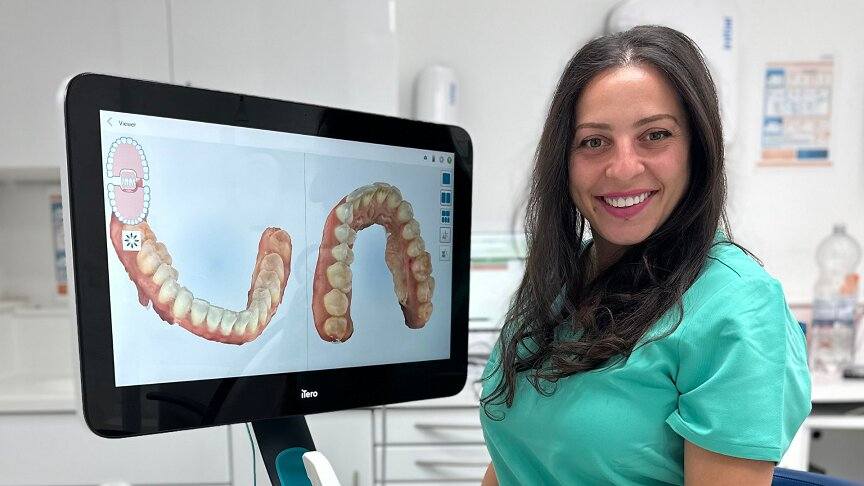
Cosmetic dentists use several strategies to ensure veneers look natural.
Digital Smile Design
Digital smile design uses imaging and simulation technology to visualise the final outcome.
- Allows patients to see potential results before treatment.
- Ensures veneers match the natural colour and shape of surrounding teeth.
- Helps plan tooth preparation and placement for optimal aesthetics.
- Reduces risk of unnatural-looking outcomes.
- Enhances patient confidence in the procedure.
Layering And Customisation
Layered veneers recreate the subtle variations in natural teeth.
- Multiple porcelain layers replicate enamel translucency and dentin depth.
- Custom shading mimics the gradient from gum to tip.
- Enhances realism compared with single-shade veneers.
- Composite veneers can also be layered for better visual depth.
- Skilled technicians ensure consistent colour across all teeth.
Considering Facial Features
Veneers should harmonise with the patient’s face, smile line, and lip shape.
- Avoid veneers that are too long, wide, or bright for the patient’s facial proportions.
- Smile arc should follow the curvature of the lower lip.
- Teeth should blend with jawline and overall facial aesthetics.
- Facial harmony enhances natural appearance and confidence.
- Consultation allows dentist to assess overall facial symmetry.
Maintaining Natural Appearance Over Time
Even realistic veneers require care to preserve their look.
- Regular cleaning and check-ups prevent discoloration.
- Avoid excessive staining foods and drinks.
- Polishing composite veneers can restore shine.
- Protect veneers from damage with night guards if needed.
- Long-term monitoring ensures veneers remain in optimal condition;
Common Myths About Veneers And Natural Look
Many patients worry that veneers will look fake. Understanding these myths helps set realistic expectations.
Myth: All veneers look unnaturally white.
Fact: Custom shade selection ensures harmony with natural teeth.
Myth: Veneers are bulky and feel unnatural.
Fact: Properly fitted veneers feel smooth and integrate seamlessly.
Myth: Only porcelain veneers look natural.
Fact: Both porcelain and composite can achieve realistic results when customised.
Myth: Veneers will make your teeth look identical.
Fact: Skilled dentists replicate subtle differences to maintain authenticity.
Myth: Veneers are obvious when smiling.
Fact: High-quality veneers are virtually undetectable by others.
Maintenance Tips For Long-Lasting Natural Veneers
To ensure veneers maintain their natural appearance:
- Brush twice daily with a soft-bristled toothbrush.
- Floss carefully to prevent plaque around veneers
- Limit staining foods and drinks
- Attend routine check-ups and professional cleaning.
- Avoid biting hard objects or using teeth as tools.
- Consider night guards for teeth grinders.
- Polishing and resurfacing composite veneers can restore brightness.
- Maintain overall oral hygiene to keep gums and surrounding teeth healthy.
Why Choose Whites Dental In London For Dental Veneers
Whites Dental is a leading cosmetic dental clinic specialising in veneers and smile design.
- Experienced cosmetic dentists with expertise in natural aesthetics.
- Digital Smile Design ensures realistic shade, shape, and alignment.
- High-quality porcelain and composite veneers for long-lasting results.
- Polishing, maintenance, and replacement services available.
- Two convenient London locations:
Whites Dental Waterloo — 172 Blackfriars Rd, London SE1 8ER, 020 8616 0590
Whites Dental Marble Arch (W2) — 52B Kendal St, St George’s Fields, London W2 2BP, 020 3576 2325
Conclusion: Achieving A Natural-Looking Smile With Veneers
Veneers can look entirely natural when designed, fabricated, and placed correctly. Customisation of shade, shape, texture and alignment, combined with high-quality materials and expert dental care, ensures a realistic and beautiful smile. Maintenance, careful oral hygiene and professional follow-up preserve both the aesthetics and longevity of veneers.
- Veneers replicate the colour, translucency, and texture of natural teeth.
- Both porcelain and composite veneers can achieve realistic results
- Digital smile design enhances predictability and aesthetics.
- Proper maintenance preserves brightness and natural appearance.
- Consulting an experienced cosmetic dentist ensures a long-lasting, natural smile.