


Wisdom teeth are the final set of molars to emerge, typically appearing between the ages of 17 and 25. For some, these teeth come through smoothly without any issues, while for others, they can cause discomfort, misalignment, or infection. This often leads to the big question many patients in London ask their dentist: “Do all wisdom teeth need to be removed?”
The short answer is no — not everyone needs their wisdom teeth extracted. However, in many cases, removal is recommended to prevent long-term problems or to treat existing pain and infections.
Key Takeaway
Not every wisdom tooth needs to be removed — it depends on your individual dental health and symptoms. Here’s what you need to know:
- Professional guidance matters – Always get advice from an experienced dentist before deciding whether to keep or remove them.
- Healthy wisdom teeth can stay – If they’re fully erupted, properly aligned, and easy to clean, removal isn’t necessary.
- Problematic wisdom teeth should be removed – Impacted, painful, or infected teeth can cause long-term oral health issues.
- Regular monitoring is essential – Even if your wisdom teeth are fine now, routine dental check-ups help prevent future problems.
- Early removal can be simpler and safer – Extracting wisdom teeth before complications arise often leads to quicker recovery
💡 At Whites Dental Waterloo and Whites Dental Marble Arch, our experienced team provides precise digital X-rays, pain-free assessments and expert extractions — ensuring your treatment is quick, comfortable and tailored to you.
What Are Wisdom Teeth And Why Do We Have Them?

Wisdom teeth, or third molars, are evolutionary leftovers from a time when humans ate tougher, raw foods that required extra chewing power. Back then, these teeth were useful. Today, our diets are softer, and our jaws smaller — meaning there’s often not enough space for these teeth to erupt properly.
Most people develop four wisdom teeth (one in each corner of the mouth), though some may have fewer or none at all. Because they emerge last, wisdom teeth often struggle for space, causing them to grow at awkward angles or become trapped under the gum — known as impaction.
When Wisdom Teeth Become A Problem
When wisdom teeth don’t emerge correctly, they can cause a range of dental issues. Recognising these problems early can help you avoid infection or damage to surrounding teeth.
1. Impacted Wisdom Teeth
An impacted wisdom tooth is one that doesn’t have enough room to erupt fully. It may grow sideways, remain partially trapped, or press against neighbouring teeth. Impacted teeth are a leading cause of jaw pain, swelling, and infection.
2. Recurrent Infections (Pericoronitis)
When a tooth partially erupts, a flap of gum tissue can form over it, trapping food and bacteria. This causes pericoronitis — an infection marked by pain, swelling, and difficulty opening your mouth.
3. Crowding And Alignment Issues
Even if your wisdom teeth come in straight, they can push other teeth forward, disrupting orthodontic alignment or causing crowding.
4. Decay And Gum Disease
Wisdom teeth are hard to reach with a toothbrush or floss, making them prone to cavities and gum disease. Over time, decay can spread to nearby molars.
5. Cysts Or Bone Damage
In rare cases, impacted wisdom teeth can lead to cysts or benign growths in the jawbone, damaging nerves or bone structure.
💡 If any of these issues arise, extraction is often the safest and most effective solution.
When It’s Safe To Keep Your Wisdom Teeth
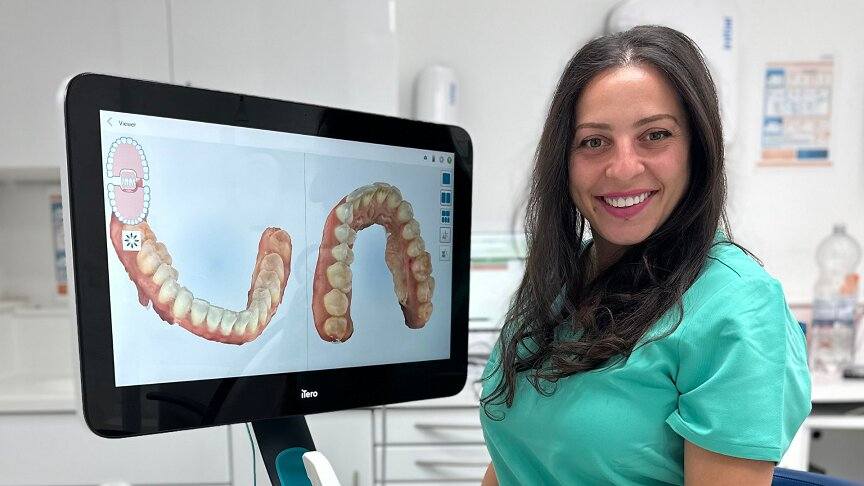
Not all wisdom teeth cause problems. Many patients keep theirs for life without complications. You can usually keep your wisdom teeth if they meet these conditions:
- They’ve fully erupted and are visible above the gumline
- They’re properly aligned with your other teeth.
- You can easily clean around them with a toothbrush and floss.
- There’s no decay, infection, or gum inflammation.
💡 At Whites Dental, we use 3D imaging and digital X-rays to assess your wisdom teeth precisely. If they’re healthy and functional, we may recommend keeping them under regular observation instead of removing them.
When Removal Is The Best Option
If your wisdom teeth cause pain, infection, or other oral health problems, extraction is usually the right decision. Here are common signs that removal may be necessary:
1. Persistent Pain
Ongoing pain at the back of your mouth often signals pressure from impacted teeth or inflammation in the gums.
2. Repeated Infections
Recurring swelling, tenderness, or pus around the gumline can indicate chronic infection.
3. Tooth Damage or Decay
Wisdom teeth that press on nearby molars can cause cavities or erosion in adjacent teeth.
4. Cysts Or Jaw Issues
In rare cases, impacted teeth can form cysts that damage jawbone tissue or nerves.
5. Orthodontic Concerns
If you’ve had braces or aligner treatment, wisdom teeth can cause crowding, shifting, or misalignment over time.
The Best Age To Remove Wisdom Teeth
Dentists typically recommend assessing wisdom teeth in your late teens or early twenties — before the roots fully form. Removing wisdom teeth earlier often means:
- Simpler extractions (less bone density, smaller roots)
- Faster recovery time
- Reduced risk of complications
💡 However, wisdom tooth removal can be performed at any age. At Whites Dental Waterloo and Marble Arch, we regularly treat adults who experience new symptoms later in life.
What To Expect During A Wisdom Tooth Extraction
If removal is needed, the procedure is straightforward and performed under local anaesthetic for comfort.
- Examination & X-rays – Your dentist checks the position of your teeth and nerves.
- Anaesthetic – The area is numbed so you don’t feel pain
- Extraction – The dentist removes the tooth using gentle, precise techniques.
- Cleaning & Sutures – The area is cleaned and stitched if necessary.
- Recovery Guidance – You’ll receive aftercare instructions for smooth healing.
💡 Most patients resume normal activities within a few days, with full recovery in about 7–10 days.
Private Vs NHS Wisdom Tooth Removal
NHS Treatment
The NHS covers wisdom tooth removal only when medically necessary — such as infection, cysts, or damage to nearby teeth. However, NHS waiting times can range from several weeks to months, and appointments for non-urgent cases are often delayed.
Private Treatment
At Whites Dental, private care ensures:
- Faster appointments, often same-day
- Shorter waiting times for diagnosis and extraction
- Comfort-focused techniques and local anaesthetic
- Personalised aftercare and follow-up
💡 Private wisdom tooth removal is ideal for patients who need urgent relief from pain or wish to avoid long NHS waiting lists.
Recovery After Wisdom Tooth Removal
Recovery timelines can vary from patient to patient. However, we note below some generic timelines:
- Day 1–2: Mild bleeding, swelling, and tenderness. Apply ice packs and rest.
- Day 3–4: Swelling peaks; manage pain with medication and saltwater rinses
- Day 5–7: Healing begins; discomfort reduces.
- Day 8–10: Most patients feel normal again.
💡 At Whites Dental, our dentists provide a detailed aftercare plan and review appointments to ensure proper healing.
If You Don’t Remove Wisdom Teeth That Are Problematic – What Will Happen?
Leaving impacted or infected wisdom teeth untreated can cause complications such as:
- Recurring infections (pericoronitis)
- Chronic jaw pain or stiffness.
- Tooth decay spreading to nearby molars
- Gum disease or abscesses.
- Cyst formation in severe cases.
💡 Delaying treatment can also make future extractions more complex and painful.
How To Care For Wisdom Teeth You Keep
If your dentist advises keeping your wisdom teeth, regular maintenance is key:
- Brush thoroughly, reaching the back molars.
- Floss daily and use an antibacterial mouthwash.
- Visit your dentist every 6 months
- Schedule annual X-rays to monitor for movement or decay
- Report any pain, swelling, or jaw tightness immediately
💡 Consistent monitoring ensures your wisdom teeth remain healthy and problem-free.
Why Choose Whites Dental In London For Wisdom Tooth Treatment
At Whites Dental, we pride ourselves on offering expert, patient-centred care in modern, comfortable surroundings. Whether you need a routine consultation or urgent removal, our team provides exceptional treatment from start to finish.
What Sets Us Apart:
- Experienced Dental Surgeons – Specialists in complex and surgical extractions.
- Advanced Technology – Digital X-rays and 3D imaging for accurate diagnosis
- Comfort-Focused Care – Local anaesthetic and sedation options for anxious patients.
- Same-Day Appointments – Perfect for emergency cases and severe pain.
Central London Clinics:
- Whites Dental Waterloo (172 Blackfriars Rd, London SE1 8ER | 020 8616 0590)
- Whites Dental Marble Arch (52B Kendal St, St George’s Fields, London W2 2BP | 020 3576 2325)
💡 We’re committed to helping you achieve a healthy, pain-free smile with precision and compassion.
The Long-Term Benefits Of Wisdom Tooth Removal
Removing problematic wisdom teeth provides lasting benefits such as:
- Reduced risk of infection and decay
- Improved oral hygiene access.
- Better alignment and bite function
- Relief from chronic pain or swelling
- Prevention of jaw or nerve damage
💡 Early, preventive removal can save time, discomfort and cost later in life.
Final Thoughts
So, do all wisdom teeth need to be removed? Not necessarily — but many do eventually cause issues if left unchecked. Regular dental check-ups and X-rays are the best way to determine whether your wisdom teeth should stay or go.
At Whites Dental Waterloo (SE1) and Whites Dental Marble Arch (W2), our dentists combine expertise, technology and compassionate care to help you make the right decision for your smile. Whether you need monitoring, cleaning or removal, we’re here to ensure your treatment is safe, fast and stress-free.