


Composite bonding and Invisalign are often compared because both can improve the appearance of your smile, but they solve very different problems.
Composite bonding changes the shape, edges and surface of individual teeth. Invisalign moves the position of the teeth themselves. That difference matters, because some patients can go straight to bonding, while others get a better, longer-lasting result by straightening their teeth first.
🔑 Key Takeaways:
- Composite bonding is usually cheaper upfront and ideal for small cosmetic changes.
- Invisalign costs more initially but treats alignment and bite issues at the root.
- Bonding can mask crooked teeth – Invisalign corrects them.
- The better value depends on whether your concern is appearance alone or long-term structure and function.
💡 Quick Answer: Composite bonding is usually cheaper upfront, but Invisalign may be needed first if your teeth are crowded, rotated or affecting your bite. Many patients get the best result by having Invisalign first, then composite bonding for final shape and edge refinements.
🧭 Jump to:
Composite Bonding Vs Invisalign – What Is The Difference?
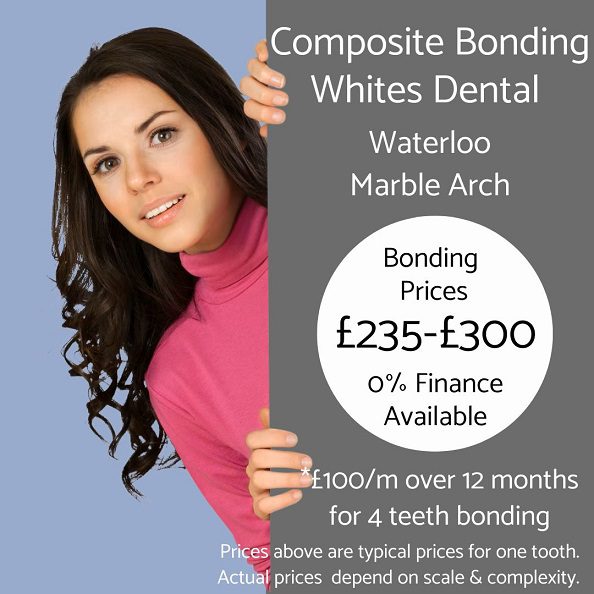
Composite bonding is a cosmetic treatment. It can repair chips, reshape edges, close small gaps and improve the appearance of individual teeth. You can see typical pricing in our composite bonding cost guide.
Invisalign is an orthodontic treatment. It gradually moves teeth into better positions using clear aligners, which can improve crowding, spacing, rotations and bite balance.
The key difference is simple: bonding changes the tooth surface, while Invisalign changes tooth position.
Common cost misconceptions
- “Bonding is always cheaper overall” – This is true upfront, but repeat repairs can increase long-term cost.
- “Invisalign is cosmetic only” – Invisalign also improves bite function and tooth positioning.
- “One treatment excludes the other” – Many patients benefit from using Invisalign first and bonding second.
Understanding these differences early helps patients avoid choosing a treatment that solves only part of the problem.
Should You Get Invisalign Before Composite Bonding?
In many cases, Invisalign should come before composite bonding if the teeth are crowded, rotated, overlapping or affecting the bite. Straightening the teeth first gives the dentist a better foundation to work with and can reduce how much bonding is needed later.
Composite bonding may be suitable without Invisalign if the teeth are already well aligned and the concern is mainly cosmetic, such as small chips, worn edges or minor gaps.
What Composite Bonding Can (And Can’t) Fix
Composite bonding is best suited to cosmetic refinements rather than tooth movement.
It works well for small chips, uneven edges, minor gaps, worn teeth and improving overall tooth shape. However, it does not straighten teeth or correct bite issues. If bonding is used to disguise crooked teeth, the final result can sometimes look wider, bulkier or less natural.
For patients with mild cosmetic concerns and already-straight teeth, composite bonding can deliver excellent value. For patients with crowding or rotations, Invisalign may need to come first.
What Invisalign Solves That Bonding Can’t
Invisalign addresses the underlying position of the teeth. Rather than masking misalignment, it gently moves teeth into healthier, more functional positions.
This can improve bite balance, reduce uneven wear, and create a better foundation for any cosmetic work that follows. In many cases, straightening teeth first reduces the amount of bonding needed later – lowering overall treatment cost.
Maintenance considerations
Composite bonding requires ongoing care to maintain its appearance.
- Bonding does not whiten with teeth
- Edges may stain or chip over time
- Repairs are common with normal wear
Invisalign has higher upfront involvement, but once alignment is corrected, maintenance mainly involves retainers and routine dental care.
Composite Bonding Vs Invisalign – Which Is Better Value?
Looking at cost alone can be misleading. A side-by-side comparison helps clarify how composite bonding and Invisalign differ in terms of commitment, longevity, and what they actually correct.
This comparison focuses on overall value – not just upfront price.
| Factor | Composite Bonding | Invisalign |
|---|---|---|
| Upfront Cost | Lower | Higher |
| Treatment Time | Often same day | Several months |
| Fixes Alignment | No | Yes |
| Long-Term Impact | Cosmetic | Structural & cosmetic |
The better value isn’t about which treatment costs less – it’s about which one solves your problem properly the first time.
In practice, patients often choose composite teeth bonding for quick cosmetic refinement and Invisalign for foundational correction. The most cost-effective option is usually the one that solves the problem properly the first time.
How longevity affects long-term cost
Upfront price doesn’t always reflect what a treatment costs over time.
- Composite bonding typically lasts several years before repair or replacement is needed
- Invisalign permanently changes tooth position, with results maintained using retainers
For patients who need repeated bonding maintenance, the long-term cost can eventually exceed the price of orthodontic correction.
Cost versus risk
Cheaper treatments can sometimes carry higher long-term risk if underlying alignment issues are left unaddressed.
- Uneven bite forces can increase chipping or wear on bonded edges
- Crowded teeth can make hygiene harder, increasing maintenance needs
- Masking alignment may limit future cosmetic options
Invisalign reduces these risks by correcting tooth position first, which is why it is often recommended before cosmetic bonding.
Which option usually makes more sense?
- Composite bonding: Best for small cosmetic changes on already straight teeth
- Invisalign: Better value when crowding, rotation or bite issues are present
The most cost-effective option is the one that solves your underlying concern without creating future problems.
Can Composite Bonding And Invisalign Be Combined?
Yes, composite bonding and Invisalign can be combined. In fact, this is a common approach for patients who want both straighter teeth and final cosmetic refinements.
Straightening teeth first can reduce the amount of dental bonding needed later, leading to more conservative shaping and longer-lasting results. For patients with alignment issues and cosmetic concerns, this phased approach often delivers a better outcome – without unnecessary treatment.
How payment options affect perceived cost
Upfront cost often feels more significant than overall value, especially when treatments are paid for differently.
- Composite bonding is often paid in a single appointment
- Invisalign is commonly spread across monthly payments
For many patients, spreading treatment cost makes comprehensive correction more achievable without compromising results.
Composite Bonding And Invisalign FAQs
Many patients are not choosing between composite bonding and Invisalign as completely separate options. The real question is often whether bonding alone is enough, or whether Invisalign should come first.
Can You Have Invisalign With Composite Bonding?
Yes, you can have Invisalign and composite bonding as part of the same smile improvement plan. In many cases, Invisalign is completed first, then bonding is used afterwards to refine tooth shape, edges or small gaps.
Should I Get Invisalign Before Composite Bonding?
If your teeth are crowded, rotated or affecting your bite, Invisalign is usually considered before composite bonding. This helps create a better foundation and may reduce the amount of bonding needed later.
Can You Get Composite Bonding Without Invisalign?
Yes, composite bonding can be done without Invisalign if the teeth are already well aligned and the concern is mainly cosmetic, such as chips, worn edges or minor gaps.
Is Composite Bonding Included In Invisalign?
Composite bonding is usually a separate cosmetic treatment and is not automatically included with Invisalign. Some patients choose bonding after Invisalign to complete the final shape and appearance of their smile.
Not Sure Whether You Need Bonding, Invisalign Or Both?
If you’re choosing between Invisalign and composite bonding in London, the smartest next step is a proper assessment – not a guess based on price alone.
At Whites Dental, our clinicians look at alignment, bite, aesthetics, and longevity before recommending a treatment. In many cases, a phased approach delivers the best result at the lowest overall cost.
Visit our Central London clinics:
- Waterloo – near Southwark & Blackfriars
- Marble Arch – close to Paddington & Edgware Road
Your consultation includes:
- A full smile and bite assessment
- Clear advice on bonding vs Invisalign
- Honest guidance on long-term value
- No pressure or unnecessary treatment
- ✅ Experienced cosmetic dentists in Central London
- ✅ Top 1% Invisalign provider
- ✅ 0% finance options available
- ✅ Central London locations
If you want clarity on cost and confidence in your choice, we’re here to help.
Author

Dr Deepa Chopra
Principal Dentist & Clinic Founder
GDC registration number: 124489
Membership of the Faculty of Dental Surgery from the Royal College of Surgeons of Edinburgh
Membership of the British Dental Association
Restorative Dentistry from Tipton
Align Invisalign profile
LinkedIn profile
Areas of Expertise: 20+ Years Dentistry Experience. General Dentistry, Cosmetic Dentistry, Restorative Dentistry, Invisalign, Composite Bonding, Veneers, Root Canals, Crowns, Dentures, Gum Disease, Hygienist Services, Emergency Dental Services & Teeth Whitening.