


Root canal therapy is one of the most successful and widely used dental procedures for saving infected teeth. When performed correctly, it has a success rate of around 90–95%, with many treated teeth lasting a lifetime. However, like any medical or dental procedure, a root canal can fail. This failure may occur months or even years after the initial treatment, often due to persistent infection, missed anatomy, new decay, cracks in the tooth, or poor sealing of the root canal system.
Understanding why root canal treatment occasionally fails, recognising the warning signs, and knowing what can be done to fix it can help patients act quickly and protect their long-term oral health.
Key Takeaway
- Root canal treatment is highly successful, but failure can occur if infection persists or returns.
- Common causes include missed canals, new decay, cracks, leaking restorations or untreated complexity in the tooth.
- Warning signs include pain, swelling, sensitivity, gum pimples and changes in biting pressure.
- Failed root canals can almost always be repaired through retreatment or endodontic surgery.
💡 Whites Dental provides expert root canal treatment in London Waterloo and Marble Arch using advanced endodontic techniques.
What Is A Root Canal And Why Does It Sometimes Fail?
A root canal is performed to remove infection in the pulp tissue from inside the tooth, disinfect the canals, and seal them to prevent reinfection. While the procedure is highly predictable, the anatomy of teeth can be intricate and several factors can interfere with ideal outcomes.
Why Root Canals Are Generally Very Successful
- They remove infection from deep inside the tooth.
- They prevent bacteria from re-entering the canal.
- They allow the natural tooth to remain functional and intact.
- They protect surrounding bone and gums from further damage.
💡 However, the root canal system can be extremely fine, curved, or complex and this complexity increases the risk that bacteria may remain or return.
Can A Root Canal Fail?

Yes — root canal treatment can fail. Failure occurs when bacteria remain trapped inside the tooth or re-enter the canal at a later stage. While this is uncommon, it is not impossible, and prompt action is essential when symptoms arise. Root canal failure may occur:
- Immediately after treatment (early failure)
- Several months later (delayed failure)
- Many years later (late failure)
💡 Even a tooth that felt fine for years may suddenly develop inflammation, infection or pain if something changes structurally.
Causes Of Root Canal Failure
Root canal failure is almost always linked to the survival or reintroduction of bacteria. Below are the most common causes, all explained in detail.
Missed Canals Or Complex Anatomy
Some teeth have additional canals or unusual anatomy that can be difficult to detect. Examples include:
- Extra molar canals
- Narrow or curved canals
- Split or hidden canals
- Fine accessory branches;
💡 If a canal is not fully cleaned or filled, bacteria can remain inside, leading to recurring infection.
Persistent Infection
If bacteria survive initial treatment due to resistant strains or incomplete disinfection, the infection can reappear. This may occur even when treatment appears perfect externally.
Leaking Restorations Or Fillings
If the temporary or permanent filling leaks, bacteria from the mouth can enter the canal system again. This is one of the most preventable causes of failure. Leakage can occur from:
- Poor-quality fillings;
- Delayed placement of a crown
- Wear or crack in an existing filling
- Tooth fracture
New Decay After Treatment
If decay forms under an old filling or crown after treatment, bacteria can penetrate the sealed canal system again, causing reinfection.
Cracks In The Tooth
Cracked teeth allow bacteria to bypass the sealed canal entirely.
Cracks may develop from:
- Grinding or clenching
- Trauma
- Biting hard objects.
- Weakness after treatment due to lack of crown placement.
Incomplete Root Canal Filling
Root canals must be filled from top to bottom. If the filling does not reach the end of the root, bacteria can thrive in the remaining space.
Poor Healing Or Immune Response
Symptoms may persist in cases where healing is slow or incomplete, especially if the surrounding bone was severely inflamed before treatment.
Root Fractures
A vertical root fracture will always cause persistent symptoms and usually requires extraction, as it cannot be repaired endodontically.
Symptoms Of A Failed Root Canal
Root canal failure can present differently from person to person, but common signs include:
Persistent Or New Pain
- Dull, lingering ache.
- Sharp pain when biting
- Discomfort when chewing or tapping the tooth
Swelling Or Abscess Formation
Swelling may be continuous or intermittent, depending on the severity of the infection.
Gum “Pimple” or Sinus Tract
A small raised spot on the gums that drains pus indicates chronic infection.
Sensitivity To Hot Or Cold
Temperature sensitivity suggests inflammation or infection inside or around the tooth.
Darkening Of The Tooth
A failed root canal may cause the tooth to darken due to ongoing internal breakdown.
Bad Taste Or Odour
Bacterial discharge can produce an unpleasant taste or smell.
Loose Tooth Or Pressure Sensitivity
A tooth may feel loose or high when biting if inflammation persists around the root.
How Is A Failed Root Canal Diagnosed?
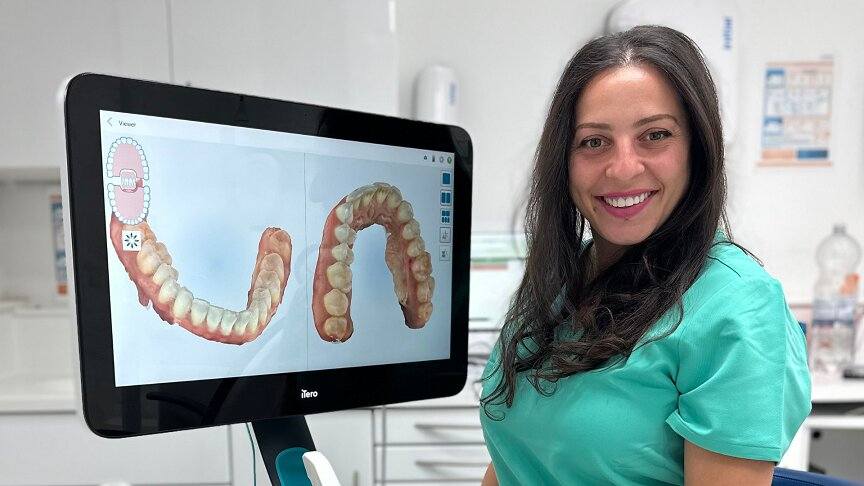
Dentists use several tools to diagnose root canal failure:
- Dental X-rays to detect infection, bone loss, or poor root filling.
- 3D CBCT scans to identify hidden canals or fractures
- Bite tests to evaluate tenderness.
- Thermal and percussion tests to assess inflammation.
- Gum examination to detect abscesses or drainage points.
💡 Modern scanning technology makes diagnosing root canal failure far more accurate than in the past.
Fixing A Failed Root Canal: Treatment Options
The good news is that most failed root canal cases can be repaired. Below are the primary options available.
Root Canal Retreatment
This is the most common method of fixing failed root canals.
Process includes:
- Removing old filling materials.
- Re-cleaning the canals.
- Disinfecting the root system.
- Filling and sealing the tooth again
- Restoring the tooth with a high-quality crown
Retreatment is effective in the majority of cases and can restore long-term tooth function.
Endodontic Surgery (Apicoectomy)
When retreatment is not possible or not enough, a procedure known as apicoectomy may be recommended.
This involves:
- Making a small incision in the gum.
- Removing infected tissue around the root.
- Removing the root tip
- Sealing the root end
This is especially effective when infection is localised at the tip of the root.
Extraction (Last Resort)
Extraction is recommended only when the tooth is:
- Cracked vertically.
- Severely damaged.
- Structurally unsalvageable
💡 After extraction, replacement options include implants, bridges or dentures.
Success Rate Of Root Canal Retreatment
Retreatment has a high success rate when performed by skilled clinicians using modern tools. Success depends on:
- Cause of failure
- Tooth anatomy
- Quality of restoration.
- Timeliness of retreatment,
- Patient’s oral hygiene.
💡 Studies show retreatment success rates range between 70%–90%, similar to initial root canal success.
Preventing Root Canal Failure
Patients can significantly improve long-term outcomes by following preventive steps.
Place A Crown After Treatment
A crown protects the tooth, restores strength, and seals it from bacteria.
A root canal-treated tooth without a crown is far more likely to fail.
Maintain Good Oral Hygiene
- Brush twice daily.
- Floss daily.
- Use mouthwash if recommended
- Clean around crown margins thoroughly.
Avoid Hard Foods
Chewing ice, pens, or hard sweets can cause cracks and structural damage.
Wear a Nightguard
Patients who grind often crack restored teeth. A nightguard protects your investment.
Attend Regular Dental Check-Ups
Routine examinations allow dentists to catch early signs of reinfection or leakage before major issues arise.
Frequently Asked Questions
Can a Root Canal Fail After 10 Years?
Yes. Late failures can occur due to new decay, cracks or leakage.
Is Root Canal Retreatment Painful?
No. It is performed under full anaesthetic and is usually no more uncomfortable than the original treatment.
Can I Leave A Failed Root Canal Untreated?
No. Infection spreads, causing abscesses, bone loss and systemic health problems.
How Long Does Retreatment Take?
Usually between 60 and 90 minutes, depending on complexity.
Is Antibiotic Treatment Enough?
Antibiotics alone cannot treat root canal failure; the affected tooth must be retreated.
Root Canal Retreatment At Whites Dental, London
Whites Dental provides root canal in London along with advanced endodontic and retreatment care at two London locations:
Whites Dental Waterloo
172 Blackfriars Rd
London SE1 8ER
📞 020 8616 0590
Whites Dental Marble Arch (W2)
52B Kendal St, St George’s Fields
London W2 2BP
📞 020 3576 2325
Why Patients Choose Whites Dental
- Highly trained root canal specialists skilled in complex root canal retreatment
- Modern endodontic microscopes for precision
- Digital X-rays and CBCT 3D imaging
- Sedation options for anxious patients
- Comprehensive aftercare and long-term monitoring
💡 Whether the root canal failed recently or many years later, our team can diagnose the problem and recommend the best treatment to save your tooth. Book a root canal therapy at our clinics in London.
Conclusion
Root canal treatment is highly successful, but failure can occur due to persistent infection, missed canals, cracks, or new decay. Understanding the warning signs of root canal failure helps patients act quickly and prevent complications such as abscesses, swelling, tooth loss and bone damage.
💡 The good news is that most failed root canals can be fixed, either through retreatment or endodontic surgery. With modern dental technology and specialist care, retreatment success rates remain extremely high.
If you believe your root canal is failing — or you’re experiencing pain, swelling, sensitivity, or a gum pimple — prompt evaluation is essential. Whites Dental offers expert diagnosis and retreatment solutions at our Waterloo and Marble Arch (W2) clinics, helping patients save their teeth and restore comfort for the long term.