


Key Takeaway
- A broken tooth can almost always be repaired using treatments like bonding, veneers, crowns, root canals or advanced restorations.
- The right repair depends on the extent, location and type of break, as well as your symptoms.
- Even small cracks can worsen quickly, so early assessment is essential to avoid infection or tooth loss
- Complex cases often require the expertise of a dentist or endodontist, depending on the severity.
Introduction: The Truth About Broken Teeth
A broken tooth can be worrying, painful and often unexpected. Whether it happens from biting into something hard, an accident, or gradual wear over time, many patients wonder one thing: Can a broken tooth be repaired—or is it lost forever?
The good news is that modern dentistry offers multiple highly effective repair options, from simple cosmetic fixes to advanced structural restorations. In most cases, a broken tooth does not need to be extracted—it can be saved and restored to look and function like new.
This comprehensive guide breaks down every type of broken tooth, the treatments that repair them, how dentists decide the right option, signs of dental emergencies, expected costs in London, recovery timelines and how Whites Dental can help.
💡 By the end, you’ll know exactly what to do if you—or someone you care about—has a broken tooth. At Whites Dental, our dentists repair broken teeth at our two London clinics.
What Counts As A “Broken Tooth”?

The term “broken tooth” covers a range of dental injuries. Understanding the type of break helps you know the urgency and the likely treatment. Here are the most common types:
Hairline Crack (Craze Lines)
These are tiny surface-level cracks in enamel and usually don’t cause pain. They are mainly cosmetic.
Chipped Tooth
A small piece breaks off the edge or corner—commonly due to biting something hard or accidental trauma.
Broken Cusp
A crack forms around a tooth’s chewing surface, normally on molars.
Cracked Tooth
A deeper fracture extends vertically down the tooth, sometimes into the root. These require urgent treatment.
Split Tooth
A crack that has progressed through the tooth, separating it into segments. These are serious but can sometimes be partially saved.
Broken Tooth With Nerve Exposure
When the break exposes the pulp (nerve), it becomes painful, sensitive, and at high risk of infection.
Root Fracture
A crack below the gumline, often invisible without X-rays. These are the most complex types.
💡 Every type of tooth crack or chip can still be treated—the key is early intervention.
What Causes A Tooth To Break?
Understanding the cause helps ensure the broken tooth repair lasts.
Common reasons include:
- Biting hard foods (nuts, hard sweets, ice).
- Teeth grinding (bruxism)
- Trauma from falls, sports injuries, or accidents.
- Weakened teeth after large fillings.
- Old dental work breaking down
- Severe decay softening the tooth structure.
- Age-related enamel wear
- Using teeth as tools (nail biting, opening packages)
💡 Some breaks occur suddenly, while others develop gradually until the tooth finally gives way.
Can A Broken Tooth Be Repaired?
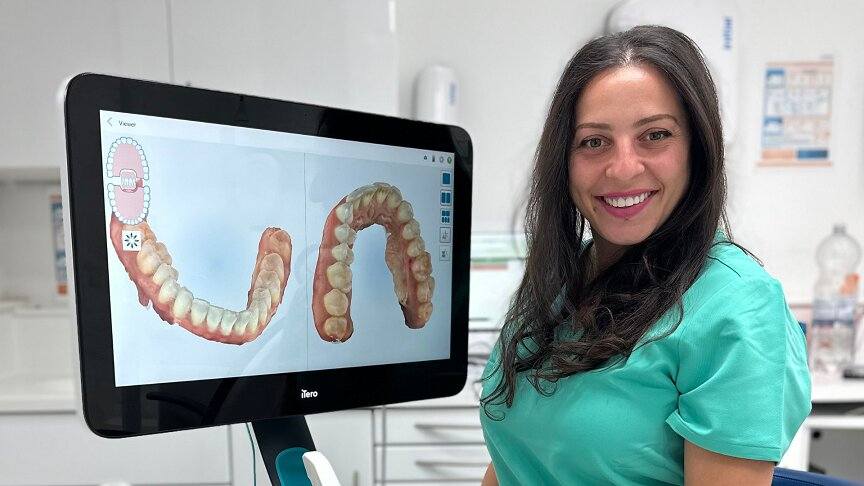
Yes—almost all broken teeth can be repaired using modern techniques.
The exact treatment for a broken tooth depends on:
- The type of break.
- How much tooth structure remains.
- Whether the nerve is exposed.
- Whether the tooth is infected
- Your bite and functional needs
- Your cosmetic goals.
Now let’s explore every treatment option in detail.
Repair Option 1: Dental Bonding
Best for:
- Small chips
- Minor fractures
- Cosmetic improvements
Dental bonding uses a tooth-coloured resin to rebuild the missing part of the tooth.
Benefits:
- Quick (20–40 minutes)
- Painless
- Affordable
- Very natural looking
Limitations:
- Not ideal for large breaks
- Not as strong as porcelain
💡 Bonding is perfect when patients want an immediate fix—especially for front teeth.
Repair Option 2: Porcelain Veneers
Best for:
- Moderate chips
- Uneven edges
- Cosmetic cracks
- Teeth that also need a smile upgrade
Porcelain veneers are thin custom-made shells that cover the front of a tooth, restoring its shape, size, and appearance.
Benefits:
- Strong and long-lasting
- Highly aesthetic
- Resistant to staining
- Ideal for improving multiple teeth
💡 Veneers do not fix deep fractures but are excellent if the enamel is damaged cosmetically.
Repair Option 3: Dental Crowns
Best for:
- Large breaks
- Weak or heavily filled teeth
- Teeth after root canal treatment
- Broken cusps or fractures down the side
A crown covers the entire tooth, giving it full protection and strength.
Benefits:
- Restores function
- Prevents further breakage
- Durable (10–15+ years)
- Highly aesthetic options like ceramic or zirconia
💡 Crowns are the most common solution for major structural damage.
Repair Option 4: Root Canal Treatment + Crown
Best for:
- Breaks exposing the nerve
- Pain, swelling or infection.
- Deep cracks reaching the pulp
When the nerve is exposed or damaged, a root canal saves the tooth by removing the infected tissue and sealing it. A crown then protects it from future fractures.
💡 Root canals have a high success rate and are essential for saving badly broken teeth.
Repair Option 5: Inlays and Onlays
Best for:
- Broken cusps.
- Moderate cracks
- When more than a filling is needed but a crown isn’t
Inlays/onlays are custom porcelain or composite pieces bonded into the broken section of the tooth.
💡 They preserve more natural tooth structure than crowns while adding significant strength.
Repair Option 6: Tooth Extraction + Replacement
Used only as a last resort. If the tooth is beyond repair—such as severe vertical root fractures—it may need to be removed. Modern replacements include:
- Dental implants (best long-term option)
- Bridges
- Partial dentures.
💡 Dentists only recommend extraction when no restoration can reliably save the tooth.
How Dentists Decide The Best Repair
When you arrive at Whites Dental, the dentist will assess:
- How deep the fracture is
- Whether the break involves enamel, dentine or pulp.
- Whether the remaining tooth structure is strong enough
- If the tooth can handle biting pressure
- Whether infection is present
- The location (front vs back teeth)
- Your long-term oral health goals.
X-rays and clinical examinations help determine whether the tooth must be stabilised, restored or treated endodontically.
💡 Every case is unique, which is why personalised broken tooth treatment planning matters.
When A Broken Tooth Is A Dental Emergency
Certain symptoms mean you should seek urgent care:
- Severe pain
- Bleeding that won’t stop.
- Swelling or signs of infection;
- A large piece of tooth missing
- Sharp edges cutting your cheek or tongue
- Tooth movement
- Nerve exposure (extreme sensitivity)
Delaying treatment can cause:
- Infection spreading to the jaw.
- Tooth loss.
- Abscess formation
- Increased treatment complexity and cost
💡 Whites Dental offers same-day emergency dental appointments at both London locations.
What To Do Immediately After A Tooth Breaks
Follow these steps to protect the tooth:
- Rinse your mouth with warm water.
- Save any broken fragments if possible
- Apply a cold compress for swelling.
- Cover sharp edges with dental wax or sugar-free gum.
- Avoid chewing on the affected side.
- Call a dentist as soon as possible.
💡 Quick action makes it easier to save the tooth and reduces complications.
What Happens During A Broken Tooth Appointment?
During your appointment, the dentist will:
- Check the tooth visually
- Assess sensitivity and pain levels
- Take X-rays
- Evaluate the gum and bone health
- Determine the type of break.
- Recommend the most suitable repair option.
- Provide an immediate temporary fix if needed
💡 For emergencies involving severe pain, you’ll receive immediate relief treatment before the full repair.
Does The Repair Hurt?
Most broken-tooth repairs are comfortable and minimally invasive.
- Bonding and veneers are painless.
- Crowns may involve mild sensitivity.
- Root canals are done under local anaesthetic and feel like a normal filling.
💡 Whites Dental focuses on gentle, patient-centred care to ensure comfort at every stage.
What Happens If You Don’t Repair A Broken Tooth?
Ignoring a broken tooth can lead to serious problems:
- Infection.
- Worsening fractures.
- Gum inflammation
- Bad breath.
- Abscesses
- Tooth loss
- Jawbone deterioration
💡 What begins as a small chip can quickly progress into a major complication.
Costs Of Repairing A Broken Tooth In London
Costs vary depending on treatment type:
- Bonding: affordable cosmetic repair
- Veneers: mid-range;
- Crowns: mid-to-high
- Root canal + crown: higher, but saves the tooth
- Implants: highest but long-term solution
💡 Choosing repair early prevents costs from escalating.
Preventing Future Breaks
You can reduce the risk of future tooth fractures by:
- Wearing a nightguard if you grind teeth.
- Avoiding hard foods.
- Regular dental checkups
- Keeping teeth strong with good oral hygiene
- Not using teeth to open packaging
- Wearing mouthguards for sports
💡 Strong, healthy teeth are less likely to break.
Why Choose Whites Dental For Broken Tooth Repair In London?
Whites Dental provides expert cracked, chipped and broken-tooth treatment at two convenient Central London locations:
Whites Dental Waterloo
172 Blackfriars Rd, London SE1 8ER
📞 020 8616 0590
Whites Dental Marble Arch (W2)
52B Kendal St, St George’s Fields, London W2 2BP
📞 020 3576 2325
Why patients choose us:
- Experienced cosmetic and restorative dentists
- Emergency same-day appointments
- State-of-the-art imaging and diagnostics
- Natural, high-quality restorations
- Patient-first approach.
- Transparent pricing.
💡 Your smile and comfort come first.
Conclusion: Can A Broken Tooth Be Repaired?
Absolutely—yes.
From small chips to major fractures, modern dentistry provides reliable, long-lasting solutions to repair and restore broken teeth. The key is to act quickly, choose the right treatment, and work with dental professionals experienced in restorative and cosmetic care.
💡 If you have a broken tooth—or want expert advice—Whites Dental is here to help you regain confidence, comfort and a beautifully restored smile.