

Speaking after wisdom tooth extraction is something almost every patient wonders about. Whether you are preparing for the procedure, planning time off work, or thinking about how quickly you can return to daily conversations, understanding speech recovery is essential. This in-depth guide explains how long it typically takes to talk after wisdom tooth removal, what affects your speech, what to avoid and how to speed up recovery. It also supports patients seeking wisdom tooth extractions in London, with detailed aftercare insights, professionally reviewed information and practical timelines.
Understanding Speech Recovery After Wisdom Teeth Removal
Recovering your ability to speak clearly after wisdom tooth extraction depends on several factors, such as swelling, numbness, discomfort and the complexity of the surgery. Most patients can talk within a few hours, but speaking normally may take longer.
Key Takeaway
- You can usually speak on the same day, but clarity may be reduced for 24–48 hours.
- Full speech comfort typically returns in 3–5 days, depending on swelling and healing speed.
- Talking too much too soon can irritate the extraction area, disrupt clot formation, and prolong recovery.
- Gentle, limited speech is recommended for the first 24–48 hours to avoid complications.
- Speech recovery depends on the number of wisdom teeth removed, type of anaesthesia, swelling levels, and your personal healing rate.
💡 Whites Dental provides tailored aftercare support and guidance to ensure predictable recovery for patients undergoing wisdom teeth removals at our clinics in London.
Factors That Affect How Soon You Can Talk
The ability to talk after wisdom teeth surgery varies because every patient heals differently. Key influences include:
Surgical Complexity
• Simple extractions usually result in faster speech recovery.
• Surgical removal involving bone trimming or impacted teeth may cause more swelling.
• Multiple extractions prolong the duration of numbness and soreness.
Swelling And Inflammation
• Swelling peaks around 48–72 hours.
• Mild speech distortion is normal while the cheeks remain puffy.
• Larger swelling may make mouth movements uncomfortable initially.
Anaesthesia Duration
• Local anaesthetic can last anywhere from 2–6 hours after surgery.
• Sedation or general anaesthetic may extend numbness or grogginess.
Pain Levels
• Talking may increase discomfort in the early period.
• Pain can limit jaw movement, making speech feel strained
The Position Of The Wisdom Teeth
• Lower impacted wisdom teeth often affect jaw mobility more noticeably.
• Upper extraction sites tend to interfere less with speech.
💡 Assess your comfort first—speak only as needed in the early hours to prevent unnecessary strain.
How Soon Can You Talk After Wisdom Tooth Extraction?
Most patients regain the ability to talk sooner than they expect. However, clarity and comfort vary.
Typical Timeline For Talking After Surgery
• 0–6 hours: Numbness and swelling may make speech unclear, but you can talk if necessary.
• 6–12 hours: Numbness begins to fade; speaking becomes slightly clearer.
• 24 hours: Most patients can talk normally but may still feel mild discomfort.
• 48 hours: Swelling reduces; jaw movement becomes smoother.
• 3–5 days: Speech should feel fully natural unless swelling persists
• 1 week: Almost all patients return to completely normal speech
When Talking May Be Difficult
• If jaw stiffness (trismus) develops.
• If swelling is severe
• If stitches pull or feel uncomfortable when the mouth opens.
When You Can Speak Normally
Most people achieve normal, comfortable speech around day 3–4. Some may recover sooner; others may take up to a week.
💡 Keep early conversations short—prolonged speaking can disturb the extraction site.
Why Talking Too Soon Can Be A Problem

While talking is safe after surgery, excessive speech can slow healing.
Talking May Affect The Healing Clot
• Moving your mouth too widely or too often can disturb the blood clot.
• Dislodged clots may lead to dry socket—a painful complication.
Increased Movement Slows Recovery
• Mouth movement can pull on stitches
• Talking too much increases blood pressure in the mouth, contributing to minor bleeding.
Talking Can Cause Jaw Fatigue
• The jaw muscles are inflamed after surgery.
• Too much movement can worsen swelling or tightness.
💡 Use written messages or short verbal phrases during the first day to avoid unnecessary strain.
Tips To Talk More Comfortably After Wisdom Tooth Removal
Talking is often necessary—whether for work, phone calls or simply communicating with family. These strategies help ease speech safely.
Strategies To Reduce Discomfort
• Keep conversations brief within the first 24 hours.
• Speak slowly and avoid overstretching your mouth.
• Apply a pack of ice to the affected area to help reduce the swelling before you speak
• Take prescribed or recommended pain relief before important conversations.
• Keep your head elevated to minimise swelling.
When You Should Avoid Talking
• If pressure causes bleeding.
• If you feel pulling around the stitches.
• If swelling is significant
• If talking triggers throbbing pain
When You Can Resume Normal Conversations
Most patients resume fully normal talking by days 3–5, making this a safe period for work calls or social interactions.
💡 If speech feels uncomfortable, pause for 30 minutes and try again—your body may simply need more time.
What To Expect With Speech After Different Types Of Anaesthesia
Anaesthesia affects how soon you can talk comfortably after the procedure.
Local Anaesthetic
• Numbness fades in hours.
• Speech usually improves quickly.
• Clarity returns once lip and tongue sensation return
IV Sedation
• Drowsiness may last several hours.
• Speech may sound slurred until full alertness returns.
• You should not make important decisions immediately after sedation
General Anaesthetic
• Rare for wisdom teeth but used in some cases
• Speech may feel slowed or unclear for several hours.
• Hydration and rest support a quicker return to clarity.
💡 Avoid long conversations until sedation-related drowsiness fully resolves.
How Jaw Stiffness Affects Speech After Wisdom Teeth Surgery
Jaw stiffness (trismus) can temporarily reduce your ability to speak clearly.
Why Jaw Stiffness Happens
• Local inflammation around the jaw muscles.
• Trauma from extracting deeply impacted teeth.
• Prolonged mouth opening during surgery
Symptoms
• Limited ability to open the mouth.
• Tight or achy jaw joints.
• Clicking or resistance.
How It Affects Talking
• Reduced mouth opening can distort speech.
• Talking becomes tiring or uncomfortable.
How To Reduce Jaw Stiffness
• Warm compresses after 48 hours
• Gentle jaw-opening stretches as advised by your dentist.
• Anti-inflammatory medication.
💡 Begin jaw exercises slowly—overstretching early on can cause more discomfort.
How Swelling Affects Your Ability To Talk
Swelling is a normal part of healing and affects speech differently depending on severity.
What Normal Swelling Looks Like
• Peaks around 48–72 hours.
• Gradually reduces by day 4 or 5.
• Slight puffiness may linger for a week.
How Swelling Impacts Speech
• Puffy cheeks limit mouth movement.
• Lips may feel stiff.
• Sound clarity may change temporarily
How To Reduce Swelling
• Apply ice packs for the first 24–48 hours
• Keep your head elevated.
• Avoid hot foods early on.
• Stay hydrated.
💡 If swelling worsens after day 4, contact your dentist—it may indicate infection.
What Not To Do When Trying To Talk After Surgery

Some behaviours can interfere with speaking comfortably and safely.
Avoid These Actions Early On
• Talking excessively for long periods
• Touching or rubbing your cheeks while speaking.
• Stretching your mouth wide (e.g., laughing loudly).
• Removing or touching stitches with your tongue.
• Drinking hot liquids immediately before speaking.
Avoid Behaviours That Disrupt The Healing Area
• Using straws
• Smoking.
• Spitting.
• Chewing on the extraction side
• Pressing your tongue onto the wound
💡 Protect the surgical site first—speech will naturally return as your body heals.
Eating And Drinking Before Talking Comfortably
Eating influences how well you can talk afterwards.
Recommended Foods
• Yogurt
• Smoothies (no straws)
• Soup (lukewarm).
• Mashed potatoes
• Scrambled eggs.
• Soft pasta.
Foods To Avoid
• Hard or crunchy foods
• Spicy foods
• Acidic foods
• Sticky foods that require wide mouth movement
How Eating Affects Speech
• Eating on one side may make speech feel uneven.
• Residue near the extraction site may cause slight lisping.
• Pain when chewing may momentarily reduce speaking comfort
💡 Rinse gently with saltwater after meals to improve speech clarity without disturbing healing.
When You Should Be Concerned About Speech After Wisdom Tooth Removal
Speech problems beyond the expected timeframe may require attention.
Signs You Should Contact Your Dentist
• Persistent difficulty speaking after one week.
• Increasing pain when speaking.
• Speech distortion accompanied by fever or swelling
• Numbness lasting more than 24 hours (indicating possible nerve involvement).
• Bleeding that begins again during speaking.
Rare But Possible Causes
• Lingering anaesthetic effects.
• Dry socket.
• Infection.
• Nerve irritation
• Complicated extraction sites
💡 Early assessment prevents more serious complications—seek advice if something feels unusual.
How Whites Dental Helps Patients Recover Speech Comfortably
As a central London practice specialising in wisdom tooth removal, Whites Dental focuses heavily on safe recovery and patient reassurance.
Personalised Aftercare Plans
• Tailored recovery timelines.
• Advice on talking, eating and work return
• 24-hour guidance for urgent concerns
Experienced Oral Surgeons
• Specialised management for impacted or complex teeth.
• Minimally invasive techniques to reduce swelling.
• Gentle extraction methods to protect tissues
Sedation Options For Nervous Patients
• IV sedation
• Oral sedation.
• Local anaesthetic
• Calming environment to make the process easier
💡 Choosing a skilled team significantly improves comfort, recovery speed and confidence after the procedure.
Wisdom Tooth Extraction At Whites Dental – Convenient Central London Locations
Whites Dental offers two well-connected central London clinics for patients seeking wisdom tooth extractions and related aftercare support.
Our Locations
Whites Dental Waterloo
172 Blackfriars Rd, London SE1 8ER
Whites Dental Marble Arch (W2)
52B Kendal St, St George’s Fields, London W2 2BP
Why Patients Choose Us
• Highly experienced clinicians
• Gentle extraction techniques.
• Sedation available.
• Clear aftercare guidance.
• Modern facilities
• Convenient transport links
💡 Booking early ensures you get the appointment time that suits your schedule best—especially during busy periods.
Final Thoughts: When You Can Expect To Talk After Surgery
Most patients can talk on the same day as their wisdom tooth surgery, though clarity may be reduced until the numbness wears off. Comfortable, normal speech typically returns within 3–5 days, depending on swelling, pain levels and the complexity of the procedure. Following your dentist’s aftercare instructions, limiting conversations early on and avoiding strain will ensure a smoother and faster recovery.
💡 If you need expert support, personalised aftercare or professional-level wisdom tooth extraction in central London, Whites Dental’s experienced team is ready to guide you through the process.
Author

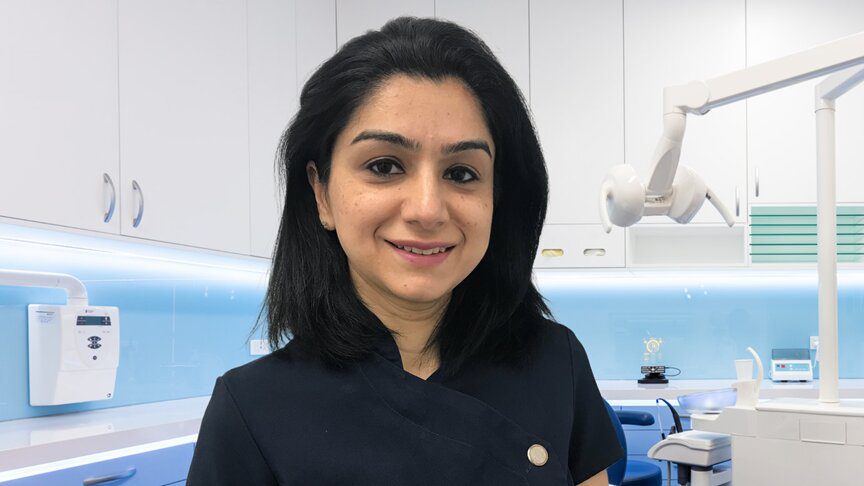
Dr Deepa Chopra
Principal Dentist & Clinic Founder
GDC registration number: 124489
Membership of the Faculty of Dental Surgery from the Royal College of Surgeons of Edinburgh
Membership of the British Dental Association
Restorative Dentistry from Tipton
Align Invisalign profile
LinkedIn profile
Areas of Expertise: 20+ Years Dentistry Experience. General Dentistry, Cosmetic Dentistry, Restorative Dentistry, Invisalign, Composite Bonding, Veneers, Root Canals, Crowns, Dentures, Gum Disease, Hygienist Services, Emergency Dental Services & Teeth Whitening.