


Gum disease is one of the most common dental conditions in the UK, yet many people underestimate its severity. While early-stage gum disease, known as gingivitis, can usually be reversed, advanced gum disease, or periodontitis, can lead to irreversible damage including bone loss, gum recession, tooth mobility, and ultimately tooth loss. Understanding the risks, symptoms, stages and gum disease treatment options is essential to protect your oral health and keep your natural teeth for as long as possible.
At Whites Dental, our experienced team of periodontists in London provides comprehensive care for gum disease at our Waterloo (SE1) and Marble Arch (W2) clinics. We help patients manage gum problems before they become severe and develop personalised plans to maintain healthy teeth and gums.
Key Takeaway
- Gum disease can progress silently and cause permanent damage if left untreated.
- Gingivitis is reversible, but periodontitis requires specialist care to manage bone and gum loss.
- Tooth loss is preventable with early detection and regular professional gum disease treatment
- Home care, lifestyle choices and regular hygiene visits play a major role in slowing disease progression.
- Periodontists handle moderate to severe cases, while hygienists manage early prevention and monitoring.
Understanding Gum Disease
Gum disease is a progressive condition that affects the tissues supporting your teeth. It begins when bacteria in plaque irritate the gums, causing inflammation. If plaque is not removed, it hardens into tartar, which further worsens inflammation and allows bacteria to penetrate deeper.
The earliest stage, gingivitis, affects only the gums and is completely reversible with professional cleaning and improved oral hygiene. If left untreated, it can progress to periodontitis, where the gums, connective tissue, and bone supporting the teeth are destroyed. This leads to loose teeth, gum recession and eventual tooth loss.
💡 Factors influencing the progression of gum disease include genetics, smoking, diet, stress, diabetes and other medical conditions. People with a family history of gum disease are particularly vulnerable.
The Stages Of Gum Disease And Their Severity

Gingivitis
Gingivitis is the mildest form of gum disease, characterised by red, swollen gums that may bleed during brushing or flossing. There is no bone loss at this stage, and with proper gum treatment, it is fully reversible.
- Signs include bleeding gums, tenderness, and mild swelling
- Often painless, so many patients do not realise they have gingivitis.
- Can be managed effectively with professional cleaning and daily home care.
Periodontitis
Periodontitis occurs when gingivitis progresses and starts to damage the bone and connective tissues that hold teeth in place. This stage is irreversible, though periodontal treatment can halt further progression.
- Symptoms include gum recession, deep periodontal pockets, loose teeth and persistent bad breath.
- Bone loss at this stage cannot grow back naturally
- Non-surgical and surgical interventions by a periodontist are usually required to stabilise the condition.
How Gum Disease Can Affect Your Teeth And Overall Health
Gum disease does not just threaten your teeth; it can also impact your overall health. Chronic inflammation from periodontitis has been linked to cardiovascular disease, diabetes complications and respiratory infections.
- Tooth mobility and eventual loss are common in untreated periodontitis.
- Gum recession causes tooth roots to get exposed, sensitivity increases and also decay risk increases alongside.
- Infections can spread, potentially affecting systemic health in vulnerable patients
- Maintaining gum health is therefore critical for both oral and general wellbeing.
Early Warning Signs Of Gum Disease To Watch For
Detecting periodontal disease early is crucial to preventing severe damage. Watch for these warning signs:
- Bleeding when brushing or flossing.
- Swollen, red, or tender gums.
- Gum recession or exposed roots.
- Persistent bad breath
- Loose or shifting teeth
- Changes in bite or gaps between teeth
💡 Seeing a dental hygienist or periodontist promptly at the first signs can prevent disease from advancing to periodontitis.
The Role Of Dental Hygienists In Preventing & Managing Gum Disease
Hygienists play a vital role in preventing and managing early-stage gum disease. Regular visits allow for professional cleaning, monitoring and education about proper oral hygiene techniques.
- Routine cleanings remove plaque and tartar before damage occurs
- Hygiene education empowers patients to maintain gum health at home.
- Early detection of gum issues allows for referral to a periodontist if necessary.
- Fluoride and antimicrobial treatments strengthen teeth and reduce bacterial growth;
💡 Patients with mild gum disease benefit significantly from regular hygiene visits, which can maintain healthy gums and prevent progression.
The Role Of Periodontists In Treating Gum Disease
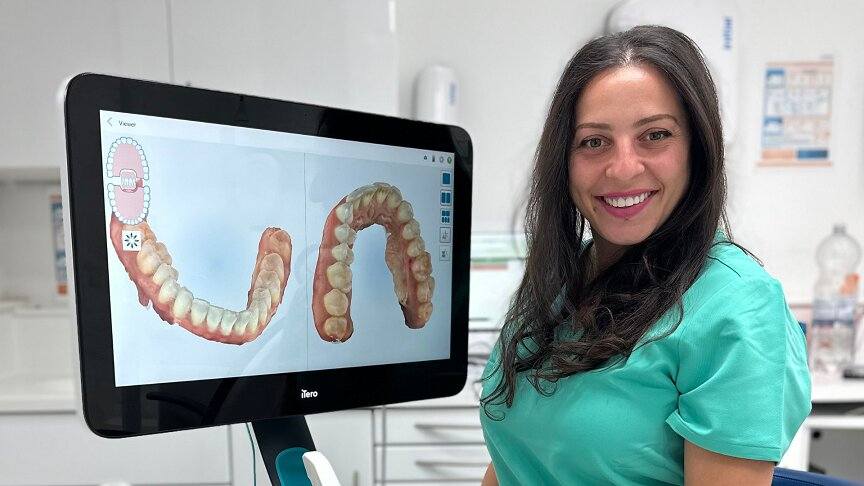
Periodontists specialise in diagnosing and treating moderate to severe gum disease. Their expertise is critical when the gums, bone or connective tissue are affected.
- Scaling and root planing remove plaque and tartar below the gum line.
- Flap surgery and bone grafting restore lost structure.
- Gum grafts repair recession and protect exposed tooth roots.
- Lasers and other advanced techniques reduce bacterial infection and inflammation
- Periodontists develop personalised maintenance plans to protect teeth long-term
💡 Patients with loose teeth, deep pockets or advanced disease see the most benefit from periodontist intervention.
Gum Disease Treatment Options And How They Protect Teeth
Gum disease treatment varies depending on severity.
Non-Surgical Gum Disease Treatments:
- Deep cleaning (scaling and root planing).
- Antibiotic therapy to reduce bacterial infection.
- Ongoing hygiene visits to maintain gum health
Surgical Gum Disease Treatments:
- Flap surgery to remove infected tissue and reduce pocket depth.
- Bone grafts to rebuild bone lost to disease.
- Gum grafts to restore gum tissue and protect tooth roots
💡 Early gum disease treatment increases the chances of keeping teeth intact for decades, while delayed treatment may result in irreversible damage.
Lifestyle Factors That Influence Gum Health
Even with professional care, lifestyle plays a major role in how bad gum disease becomes.
- Smoking greatly accelerates gum tissue destruction.
- Poor diet and high sugar intake increase plaque buildup.
- Diabetes and other chronic conditions can worsen gum disease
- Stress can weaken the immune system, reducing the body’s ability to fight infection
💡 Adopting healthy habits alongside professional care significantly improves the prognosis for teeth affected by gum disease.
Long-Term Maintenance And Prevention Of Gum Disease
Maintaining your teeth with a history of gum disease requires ongoing effort.
- Regular visits to a hygienist (every 3–4 months) to remove plaque and tartar.
- Periodontist follow-ups for moderate to severe cases every 4–6 months.
- Daily brushing, flossing, and use of antimicrobial rinses
- Lifestyle management, including quitting smoking, balanced diet and controlling medical conditions
💡 Long-term maintenance is the single most effective way to prevent recurrence and ensure teeth remain functional for life.
How Whites Dental Can Help With Treating & Maintaining Gum Disease
Whites Dental Waterloo (SE1) and Whites Dental Marble Arch (W2) offer comprehensive periodontal care for patients with all stages of gum disease. Our teams of hygienists and gum disease specialists work together to provide:
- Early diagnosis and gum disease treatment planning.
- Non-surgical and surgical gum disease treatments to stabilise gums.
- Tailored maintenance programs to prevent future progression
- Education and guidance for daily home care.
Whites Dental Waterloo
172 Blackfriars Road, London SE1 8ER
☎ 020 8616 0590
Whites Dental Marble Arch (W2)
52B Kendal Street, St George’s Fields, London W2 2BP
☎ 020 3576 2325
💡 Our patient-focused approach ensures that even severe cases of gum disease can be managed effectively to keep your natural teeth for as long as possible.
Frequently Asked Questions
Q: Can gum disease really lead to tooth loss?
A: Yes, untreated periodontitis destroys bone and connective tissue, making teeth loose and ultimately leading to tooth loss.
Q: How fast does gum disease progress?
A: Progression varies; it can take years for mild gingivitis to become severe periodontitis, but risk factors like smoking accelerate the process.
Q: Can gum disease affect my overall health?
A: Chronic gum inflammation is linked to heart disease, diabetes complications, and respiratory infections.
Q: Is it too late to save my teeth if I have periodontitis?
A: No, professional periodontal treatment for gum disease combined with good home care can often stabilise teeth and prevent further loss.
Summary
- Gum disease ranges from mild gingivitis to severe periodontitis, with varying degrees of damage.
- Early detection is key to reversing gingivitis and preventing permanent damage.
- Advanced gum disease requires treatment from a periodontist to stop bone and gum loss.
- Lifestyle choices, oral hygiene, and regular professional care significantly affect outcomes.
- Even severe cases can often retain natural teeth for decades with proper treatment.
💡 With early recognition, professional care and a commitment to home hygiene, gum disease does not have to mean losing your teeth.
Related Articles
Author

Dr Deepa Chopra
Principal Dentist & Clinic Founder
GDC registration number: 124489
Membership of the Faculty of Dental Surgery from the Royal College of Surgeons of Edinburgh
Membership of the British Dental Association
Restorative Dentistry from Tipton
Align Invisalign profile
LinkedIn profile
Areas of Expertise: 20+ Years Dentistry Experience. General Dentistry, Cosmetic Dentistry, Restorative Dentistry, Invisalign, Composite Bonding, Veneers, Root Canals, Crowns, Dentures, Gum Disease, Hygienist Services, Emergency Dental Services & Teeth Whitening.