


Cracked teeth are a common dental issue that can cause significant discomfort and long-term oral health problems if left untreated. When a crack extends into the tooth pulp, the soft tissue containing nerves and blood vessels, bacteria can invade and cause an infection. At this stage, a root canal may be necessary to save the tooth and prevent further complications. Understanding when a cracked tooth requires root canal treatment is essential for patients in London looking to protect their dental health.
Cracks in teeth can occur for various reasons, from biting hard foods to accidental trauma or even age-related wear. The extent of the crack determines the treatment needed — minor surface cracks may only require cosmetic care, while deeper cracks affecting the pulp often require root canal therapy. Early diagnosis and professional treatment are critical to preserving natural teeth and avoiding tooth loss.
💡 If you have cracked your tooth, we advise you to visit a root canal specialist in London right away for assessment.
Key Takeaway
- Cracked teeth can range from superficial fractures to deep cracks reaching the pulp.
- Root canal treatment is required when cracks allow bacteria to infect the pulp, causing pain or risk of abscess.
- Symptoms include sharp pain while chewing, sensitivity to temperature, swelling, and discoloration.
- Delaying treatment can lead to severe infection, bone loss, and tooth loss.
- Whites Dental in London provides expert root canal treatment for cracked teeth at Waterloo and Marble Arch clinics.
- Early detection, proper dental care and timely root canal therapy are essential for long-term dental health.
Understanding Cracked Teeth
Cracked teeth are not always immediately painful and patients may sometimes be unaware of the problem until it worsens. Cracks can appear as tiny hairline fractures on the enamel or as larger splits that compromise the tooth structure.
Types of Cracks
- Craze lines: Minor surface cracks in the enamel, often cosmetic and painless.
- Fractured cusp: Crack affecting a portion of the chewing surface; may cause sensitivity but rarely damages pulp.
- Cracked tooth: Crack extending from the chewing surface toward the root; can cause intermittent pain and pulp involvement.
- Split tooth: A severe crack that divides the tooth into distinct segments; often requires extraction.
- Vertical root fracture: Crack begins at the root and moves upward; difficult to detect and may cause chronic infection.
💡 Understanding the type of crack helps the dentist determine whether root canal treatment is necessary or if alternative interventions, such as bonding or crowns, are sufficient.
Causes Of Cracked Teeth

Cracks in teeth are caused by multiple factors, including:
- Biting hard foods: Chewing ice, nuts, or hard candies can create stress fractures.
- Trauma or injury: Accidents, falls, or sports injuries can cause cracks, sometimes invisible initially.
- Age and wear: Teeth naturally weaken with age, making them more susceptible to cracking
- Previous dental work: Large fillings or repeated dental procedures can reduce tooth strength.
- Bruxism: Chronic teeth grinding and clenching put excessive pressure on enamel and pulp.
💡 Identifying the cause of the crack can help prevent future issues and guide proper treatment.
When A Root Canal Is Required
Root canal therapy becomes necessary when a crack reaches the pulp, allowing bacteria to infect the inner tissue of the tooth. Dentists evaluate the severity using clinical exams, imaging and patient-reported symptoms.
Signs You Might Need A Root Canal
- Sharp pain when chewing: Pain localized to a cracked tooth, especially when biting down.
- Sensitivity to hot and cold: Prolonged pain triggered by temperature changes indicates pulp inflammation.
- Swelling and tenderness: Infection may spread to gums or surrounding tissues, causing swelling.
- Discoloration of the tooth: A darkening or greyish appearance can signal pulp death.
💡 Recognizing these warning signs early can prevent infection progression and reduce the need for more invasive procedures.
Diagnosis
Dentists use several methods to determine whether root canal treatment is required:
- Clinical examination: Assessing the tooth for visible cracks, decay, and gum inflammation.
- Percussion and bite tests: Gently tapping the tooth or having the patient bite can reveal pulp sensitivity.
- X-rays: Identify abscesses, bone loss, or cracks extending into the root.
- Pulp vitality tests: Determine if the pulp is alive or necrotic, guiding the treatment plan.
💡 Accurate diagnosis ensures timely intervention and increases the likelihood of preserving the natural tooth.
Root Canal Procedure For Cracked Teeth
Root canal therapy for cracked teeth follows a precise, multi-step process designed to remove infection and save the tooth:
- Local anesthesia: The area is numbed to ensure comfort during the procedure.
- Access opening: The dentist drills a small opening to reach the pulp chamber and root canals.
- Cleaning and shaping: Infected tissue is removed, and canals are cleaned, disinfected, and shaped for filling.
- Filling: Canals are sealed with a biocompatible material, usually gutta-percha, to prevent reinfection.
- Temporary restoration: A temporary filling protects the tooth while a permanent restoration is prepared.
- Crown placement: Most treated cracked teeth receive crowns to restore strength and prevent further fracture.
💡 The entire process may require one or two visits depending on the complexity of the crack and infection.
Post-Treatment Care
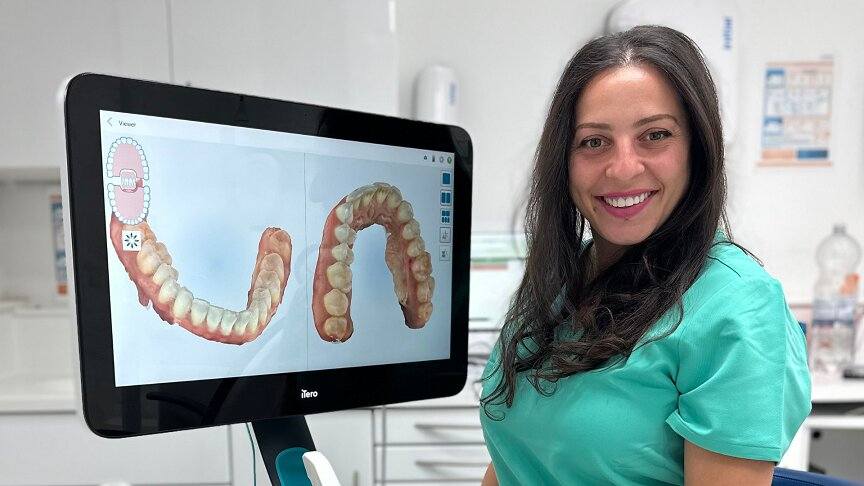
After a root canal, proper care is essential to ensure healing and prevent reinfection:
- Pain management: Over-the-counter analgesics may help with mild post-procedure discomfort.
- Oral hygiene: Brush and floss gently around the treated tooth to maintain cleanliness.
- Diet: Avoid hard, sticky, or very hot foods immediately following treatment.
- Follow-up visits: Ensure proper healing and assess the need for permanent crown placement.
💡 Patients who adhere to post-treatment instructions generally experience faster recovery and maintain long-term tooth health.
Risks Of Delaying Treatment
Ignoring a cracked tooth that requires a root canal can lead to serious complications:
- Abscess formation: Pus can accumulate at the root, causing severe pain and swelling.
- Bone loss: Infection may erode the jawbone surrounding the tooth
- Spread of infection: Bacteria can enter the bloodstream, potentially affecting overall health.
- Tooth loss: Untreated cracks often result in tooth fracture and eventual extraction.
💡 Prompt dental care reduces these risks and preserves both dental and general health.
Preventing Cracked Teeth And Infection
Prevention focuses on protecting teeth from stress and infection:
- Avoid biting hard foods and chewing ice
- Wear a mouthguard when you are playing any sort of sport. Also wear one if you are known to grind your teeth while sleeping at night.
- Maintain regular dental check-ups to detect minor cracks early.
- Address cavities, worn fillings, or periodontal issues promptly.
- Practice proper oral hygiene with brushing, flossing and fluoride use.
💡 Proactive measures can significantly reduce the likelihood of needing a root canal.
Whites Dental – Expert Care For Cracked Teeth In London
Whites Dental provides specialist root canal treatment for cracked teeth using modern technology and highly trained endodontists.
Waterloo Clinic:
172 Blackfriars Rd, London SE1 8ER
📞 020 8616 0590
Marble Arch (W2) Clinic:
52B Kendal St, St George’s Fields, London W2 2BP
📞 020 3576 2325
Why Choose Whites Dental:
- Advanced diagnostics with digital X-rays and microscopes for precise treatment.
- Pain-free procedures with local anaesthesia and sedation options
- Comprehensive aftercare to ensure healing and prevent reinfection.
- Expertise in preserving natural teeth and restoring function with crowns.
💡 Patients benefit from personalised care designed to save teeth, reduce pain and maintain oral health.
Frequently Asked Questions
How Long Does Root Canal Recovery Take?
Most patients recover within a few days, though full healing may take a few weeks.
Is Root Canal Treatment Painful?
Modern anaesthesia makes the procedure mostly painless, with mild discomfort afterward.
Will I Need A Crown After Treatment?
Yes, crowns restore strength and prevent further cracking.
Can A Cracked Tooth Heal Without Treatment?
No, cracks that extend into the pulp will worsen over time, leading to infection.
Conclusion
Root canal is often necessary for cracked teeth when the pulp becomes infected or damaged. Recognizing the warning signs, understanding the causes, and seeking timely dental care are crucial for preventing pain, abscesses, and tooth loss. Whites Dental in London, with expert care at Waterloo and Marble Arch, offers modern, precise, and comfortable root canal treatment for cracked teeth. Proper diagnosis, timely treatment and diligent post-care ensure long-term oral health and help preserve your natural teeth for years to come.
Author

Dr Deepa Chopra
Principal Dentist & Clinic Founder
GDC registration number: 124489
Membership of the Faculty of Dental Surgery from the Royal College of Surgeons of Edinburgh
Membership of the British Dental Association
Restorative Dentistry from Tipton
Align Invisalign profile
LinkedIn profile
Areas of Expertise: 20+ Years Dentistry Experience. General Dentistry, Cosmetic Dentistry, Restorative Dentistry, Invisalign, Composite Bonding, Veneers, Root Canals, Crowns, Dentures, Gum Disease, Hygienist Services, Emergency Dental Services & Teeth Whitening.