


Key Takeaways
- Gum disease or periodontal disease, can affect adults of all ages, though the risk increases after 35–40 years.
- Early signs of periodontal problems can appear in teens and young adults, often without noticeable symptoms.
- Risk factors like smoking, diabetes, hormonal changes, genetics and poor oral hygiene can accelerate onset.
- Untreated gum disease can lead to tooth loss, jawbone damage and systemic health issues such as heart disease and diabetes complications.
💡 At Whites Dental, our specialist periodontists treat gum disease from our two London clinics. Visit us for a consultation.
Introduction: Why Age Matters in Gum Disease
Gum disease is a widespread oral health concern that affects millions of adults worldwide. Medically referred to as periodontal disease, it involves the inflammation and infection of the gums, periodontal ligaments, and the supporting jawbone. While many associate gum disease with older adults, studies show that it can begin much earlier, often in the teenage years or young adulthood. Understanding the average age at which gum disease develops is essential for early detection, prevention and gum disease treatment.
The progression of gum disease typically starts as gingivitis, a mild inflammation of the gums caused by plaque buildup. If left untreated, it can evolve into periodontitis, a more severe condition that leads to irreversible tissue damage, gum recession, and tooth loss. Age plays a crucial role in determining the severity and prevalence of periodontal disease. While younger individuals may experience milder, reversible forms of gingivitis, adults over 35 are more likely to develop periodontitis due to cumulative effects of plaque, tartar, lifestyle habits, and systemic health factors.
Early intervention is key. Detecting and treating periodontal issues before they progress can save teeth, prevent complex surgical gum disease treatments, and improve overall health. London residents can access comprehensive gum disease care at Whites Dental, where specialists assess, diagnose and treat gum disease at every stage. By understanding how age impacts the development of gum disease, patients can take proactive steps to maintain healthy gums throughout their lives.
Understanding Gum Disease: Gingivitis Vs Periodontitis

Gum disease is know to progress gradually – in stages – it usually starts with it’s milder form called gingivitis and then advances to it’s more advanced form called periodontitis. Each stage has distinct characteristics and implications for gum treatment. Understanding the differences between these stages is critical for early detection and effective management.
Gingivitis – The Early Stage Gum Disease
Gingivitis is the initial form of the disease and is also the reversible form. It occurs when plaque, a sticky biofilm of bacteria, accumulates along the gumline. The bacteria trigger inflammation, causing the gums to become red, swollen, and tender. Common symptoms of gingivitis include:
- Bleeding during brushing or flossing
- Persistent bad breath
- Mild gum swelling and redness
Despite being painless, gingivitis should not be ignored. If untreated, it can progress to periodontitis, causing permanent damage to the supporting structures of the teeth. Daily oral hygiene, including brushing twice a day, flossing, and routine dental check-ups, can reverse gingivitis completely.
Periodontitis – The Advanced Stage Gum Disease
Periodontitis develops when gingivitis is left untreated. At this stage, the infection spreads deeper, affecting the periodontal ligament and alveolar bone, which anchor the teeth in place. Symptoms include:
- Receding gums and exposed tooth roots
- Formation of deep pockets between teeth and gums
- Loose or shifting teeth
- Chronic inflammation and pus formation
Periodontitis is irreversible, but professional periodontal treatment can halt its progression. If not treated, it can lead to significant tooth loss, bone destruction, and systemic health complications, including cardiovascular disease and diabetes exacerbation.
💡 Recognising the early signs of gum disease is crucial. Regular professional assessments allow periodontal specialists to detect hidden inflammation and intervene before the condition advances. Whites Dental London provides comprehensive periodontal evaluations to ensure patients receive timely, personalised care.
Average Age Of Onset Of Gum Disease
Teens And 20s : Early Onset
Research indicates that gingivitis can appear as early as the late teens. Hormonal changes, dietary habits, and inconsistent oral hygiene often contribute to early gum inflammation. Young adults may not notice any pain, but bleeding gums during brushing or flossing is often the first visible sign.
Example: A 19-year-old patient at Whites Dental Waterloo presented with mild gum bleeding and plaque buildup. After professional cleaning and a personalised home care routine, the gingivitis was completely reversed within a few months. This demonstrates that early intervention is highly effective.
Adults 35–50 : Increased Risk Of Periodontitis
By the mid-30s, cumulative plaque, tartar, and lifestyle factors such as smoking or stress increase the risk of periodontitis. Adults in this age group may experience:
- Gum recession and exposed tooth roots
- Deep periodontal pockets
- Increased tooth sensitivity
- Bad breath and discomfort
Early detection and periodontal treatment are critical to prevent further tissue and bone loss. Whites Dental Marble Arch (W2) offers specialist periodontal care including scaling, root planing and laser therapy to manage moderate periodontitis.
Older Adults 50+ :Advanced Gum Disease
Older adults often face advanced periodontitis, with significant gum recession, tooth mobility and bone loss. At this stage, more complex surgical interventions may be required, such as:
- Flap surgery to clean deep pockets
- Bone grafts to restore lost jawbone
- Soft tissue grafts to protect exposed roots
💡 Regular periodontal assessments become even more important with age to prevent tooth loss and maintain oral health. Whites Dental provides comprehensive care plans tailored to older adults’ specific needs, including post-surgical maintenance.
Risk Factors That Influence Age Of Onset Of Gum Disease
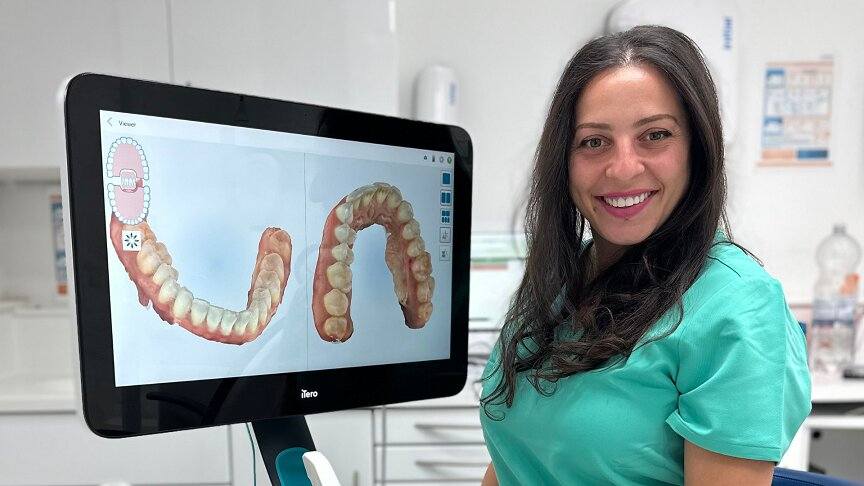
Several factors influence how early periodontal disease develops. Understanding these risks allows patients to take proactive measures to delay onset and severity.
Smoking and Tobacco Use
Tobacco accelerates gum tissue destruction and can mask early symptoms. Smokers are significantly more likely to develop periodontitis earlier than non-smokers and often require more intensive gum disease treatment.
Systemic Health Conditions
Conditions like diabetes, cardiovascular disease and autoimmune disorders increase susceptibility to periodontal disease. For example, uncontrolled diabetes impairs immune function, reducing the body’s ability to fight gum infections and accelerating tissue damage.
Genetic Predisposition
Some individuals inherit a higher risk of aggressive periodontal disease. Family history can play a significant role in determining how early and rapidly gum disease develops, even in patients with good oral hygiene.
Hormonal Changes
Hormonal fluctuations during puberty, pregnancy and menopause increase gum sensitivity and inflammation. Pregnancy gingivitis, for example, can develop in women in their 20s and 30s if oral care is insufficient.
Poor Oral Hygiene
Neglecting proper oral care allows plaque and tartar to accumulate, accelerating gum disease onset. Brushing less than twice daily, skipping flossing, and avoiding dental visits significantly increase risk.
Signs And Symptoms Of Gum Disease To Watch For
Recognising and treating gum disease early is vital. Common signs include:
- Bleeding gums during brushing or flossing
- Red, swollen or tender gums
- Persistent bad breath or an unpleasant taste
- Receding gums exposing tooth roots.
- Loose teeth or changes in bite.
- Formation of deep pockets between teeth and gums.
💡 Early detection at Whites Dental with a periodontist ensures minimally invasive treatment and prevents irreversible damage.
Preventing Gum Disease At Every Age
Daily Oral Hygiene
- Brush your teeth in the correct manner – twice a day – every day – using a fluoride based toothpaste
- Floss daily to remove plaque between teeth
- Use an antibacterial mouthwash as advised.
- Avoid smoking and excessive sugar intake.
Regular Check-Ups
Routine visits to Whites Dental Waterloo and Marble Arch (W2) help identify hidden gum disease. Specialists perform periodontal assessments and cleaning to maintain oral health.
Lifestyle And Diet
- Eat a balanced diet rich in vitamins, calcium and protein.
- Manage chronic conditions such as diabetes
- Reduce stress and maintain proper hydration
Periodontal Treatments For Gum Disease With Whites Dental In London
Non-Surgical Treatments For Gum Disease
- Scaling and Root Planing: Deep cleaning to remove plaque and tartar from beneath gums
- Antibacterial Therapy: Targets harmful bacteria
- Laser Therapy: Minimally invasive method to reduce inflammation
- Maintenance Programs: Regular monitoring to prevent recurrence
Surgical Treatments For Gum Disease
- Flap Surgery: Lifts gums to clean deep infections
- Bone Grafts: Restore lost jawbone
- Soft Tissue Grafts: Cover exposed roots and improve aesthetics
- Guided Tissue Regeneration: Encourages regrowth of supporting tissues
Whites Dental Clinics:
- Waterloo: 172 Blackfriars Rd, London SE1 8ER – 020 8616 0590
- Marble Arch (W2): 52B Kendal St, St George’s Fields, London W2 2BP – 020 3576 2325
Visit one of our gum disease specialists in London for periodontal care.
Systemic Health Links
Periodontal disease is linked to systemic conditions, including:
- Cardiovascular disease
- Diabetes complications
- Respiratory infections
- Pregnancy complications
💡 Maintaining gum health improves overall health outcomes.
Conclusion
Gum disease is common and can develop at any age, though prevalence increases after 35–40 years. Early detection, proper oral hygiene and lifestyle management are essential to prevent irreversible damage. London residents can access comprehensive periodontal care at Whites Dental, ensuring healthy gums and teeth for life.