


Key Takeaways
- Gum disease is a serious, progressive condition that can lead to tooth loss, bone damage, and long-term periodontal issues if untreated.
- Early-stage gingivitis is reversible with good oral hygiene, but advanced periodontal disease requires professional care to stop further destruction.
- Untreated gum disease can increase risks of systemic health problems, including heart disease, diabetes complications, stroke, and pregnancy complications.
- Common warning signs like bleeding gums, bad breath, gum recession and loose teeth should never be ignored.
💡 Book an appointment with our gum disease specialists in London at Whites Dental.
Introduction: Why Gum Disease Is Often Underestimated
Gum disease, also called periodontal disease, is one of the most common oral health problems among adults in the UK. Despite its prevalence, many people underestimate its severity because early stages can be painless. While minor gum irritation may seem harmless, untreated periodontal disease can progressively destroy the gums, supporting bone, and even lead to tooth loss.
The seriousness of gum disease is compounded by its links to overall health. Research has shown that chronic periodontal inflammation can increase the risk of cardiovascular disease, diabetes complications, respiratory conditions, and adverse pregnancy outcomes. Recognising the early signs and seeking prompt periodontal treatment is therefore critical to protect both oral and systemic health.
Understanding The Two Main Stages Of Gum Disease
Gingivitis: Early And Reversible Gum Disease
Gingivitis is the mildest form of gum disease and primarily affects the gum tissue. It is caused by plaque accumulation along the gumline, which triggers inflammation.
Symptoms of gingivitis include:
- Red, swollen gums
- Bleeding during brushing or flossing
- Bad breath
- bad taste you may have in your mouth.
- Mild gum tenderness.
With proper oral hygiene, including daily brushing, flossing and regular professional cleanings, gingivitis can be completely reversed. Early intervention is key because the condition has not yet caused permanent damage to the bone or connective tissue.
Periodontitis: Advanced And Irreversible Gum Disease
If gingivitis is left untreated, it can progress to periodontitis, a more severe and destructive stage of gum disease. In periodontitis, the infection spreads deeper into the gums, damaging the periodontal ligament and the alveolar bone that supports the teeth.
Effects of periodontitis include:
- Formation of deep gum pockets
- Gum recession exposing tooth roots
- Loosening or shifting teeth
- Chronic inflammation that cannot be reversed naturally
💡 While periodontal gum treatment can halt progression and restore gum health, it cannot fully regenerate bone lost to the disease. This is why early diagnosis and intervention are crucial.
Why Gum Disease Is Serious

1. Permanent Bone Loss
Advanced periodontal disease attacks the bone that anchors teeth. This bone destruction is irreversible and can compromise the stability of teeth. Patients may notice teeth appearing longer, gaps forming, or mobility in teeth. Without gum disease treatment, bone loss continues, often leading to tooth loss.
2. Deep-Rooted Infection
Periodontal bacteria thrive in deep gum pockets, which cannot be cleaned with routine brushing. These infections can persist silently, allowing bacteria to continue damaging soft tissue and bone. If left untreated, chronic infection can lead to gum abscesses, persistent discomfort, and tooth loss.
3. Tooth Loss
One of the most significant outcomes of untreated periodontal disease is tooth loss. Teeth rely on healthy gums and bone for support. When these structures are destroyed, teeth may become loose or even fall out. Tooth loss can affect chewing, speech, and aesthetics, profoundly impacting quality of life.
4. Systemic Health Implications
Periodontal disease is not isolated to the mouth. Chronic inflammation from gum disease can increase the risk of several systemic conditions:
- Heart disease: Inflammatory mediators can contribute to arterial plaque formation.
- Diabetes complications: Gum disease can make blood sugar management more difficult.
- Pregnancy issues: Increased risk of preterm birth and low birth weight.
- Stroke and respiratory conditions: Bacteria and inflammatory substances may affect other organs.
💡 Because of these systemic connections, addressing periodontal disease is crucial not only for oral health but also for overall well-being.
Common Warning Signs of Serious Gum Disease
Early recognition of periodontal problems is essential. Signs that your gum disease may be progressing include:
- Bleeding gums when brushing, flossing or eating.
- Persistent bad breath despite good oral hygiene.
- Gum recession, making teeth appear longer
- Loose teeth or changes in bite.
- Tender, swollen, or red gums
- Formation of pus or abscesses
- Black triangles between teeth
💡 If any of these symptoms appear, it is vital to schedule a periodontal assessment with a professional.
Diagnosing Serious Gum Disease
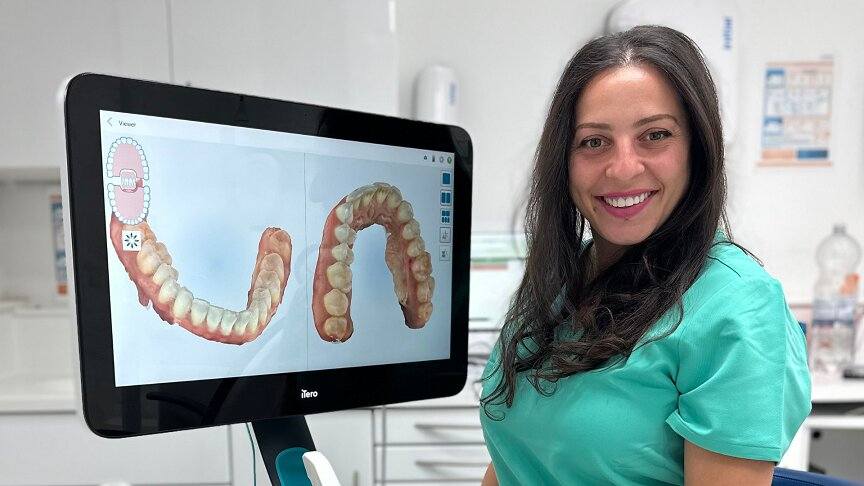
Professional diagnosis involves a combination of visual examination, probing and imaging:
1. Periodontal Probing
A dentist or periodontist measures the depth of gum pockets around each tooth. Pocket depths over 3mm often indicate disease progression.
2. Radiographic Assessment
X-rays reveal bone loss around teeth, providing insight into the severity of periodontal destruction.
3. Comprehensive Oral Evaluation
This includes checking gum inflammation, bleeding, plaque accumulation, and patient history, including risk factors like smoking or diabetes.
Early and accurate diagnosis ensures that tailored periodontal treatment for gum disease can be initiated before irreversible damage occurs.
Non-Surgical Periodontal Treatments For Gum Disease
Scaling And Root Planing
This deep cleaning removes plaque and tartar from below the gumline. Root surfaces are smoothed to promote gum reattachment.
Antibacterial Therapy
Topical gels or oral medications may be used to control bacterial infection in deep pockets.
Laser Periodontal Treatment
Laser therapy can target diseased tissue, disinfect gum pockets, and support healing with minimal discomfort.
Periodontal Maintenance
Ongoing maintenance appointments every 3–4 months help prevent recurrence and stabilise gum health.
Surgical Periodontal Treatments For Gum Disease
Flap Surgery
The gums are lifted to access and remove deep tartar and infection. The tissue is then repositioned for optimal healing.
Bone Grafting
Grafts regenerate bone lost due to periodontal disease, supporting teeth that might otherwise be at risk of falling out.
Soft Tissue Grafts
These restore lost gum tissue, covering exposed roots and reducing sensitivity.
Guided Tissue Regeneration
Specialised membranes encourage regeneration of bone and periodontal ligaments, improving long-term support.
Preventing Serious Gum Disease
Daily Habits
- Brush twice daily with fluoride toothpaste.
- Floss or use interdental brushes daily.
- Rinse with antibacterial mouthwash as recommended
- Avoid smoking
- Maintain a balanced, low-sugar diet.
Regular Dental Visits
Routine check-ups and professional cleanings allow early detection and management of periodontal issues before they become severe.
Periodontal Treatment For Gum Disease In London With Whites Dental
For patients in London, Whites Dental offers gum disease treatment with our gum disease specialist at two convenient locations:
Whites Dental Waterloo
📍 172 Blackfriars Rd, London SE1 8ER
📞 020 8616 0590
This clinic provides advanced periodontal assessment, deep cleaning, maintenance programs and surgical interventions.
Whites Dental Marble Arch (W2)
📍 52B Kendal St, St George’s Fields, London W2 2BP
📞 020 3576 2325
Located in central London, this clinic offers comprehensive periodontal therapy, tailored gum disease treatment plans, and ongoing maintenance for lasting oral health.
💡 Whether experiencing bleeding gums, gum recession, loose teeth or chronic infection, Whites Dental provides patient-focused periodontal care to stabilise gums and preserve natural teeth.
Conclusion: Gum Disease Is Serious And Requires Professional Attention
Gum disease is not just a minor inconvenience — it is a serious oral and systemic health issue. Left untreated, periodontal disease can result in tooth loss, bone destruction, chronic infection and increased risk of heart disease, diabetes complications, and pregnancy problems.
💡 Early detection, proper oral hygiene and specialist periodontal care are essential to prevent irreversible damage. Patients in London can access expert periodontal treatment at Whites Dental Waterloo and Whites Dental Marble Arch, ensuring their gum health and overall wellbeing are protected for years to come.
Author

Dr Deepa Chopra
Principal Dentist & Clinic Founder
GDC registration number: 124489
Membership of the Faculty of Dental Surgery from the Royal College of Surgeons of Edinburgh
Membership of the British Dental Association
Restorative Dentistry from Tipton
Align Invisalign profile
LinkedIn profile
Areas of Expertise: 20+ Years Dentistry Experience. General Dentistry, Cosmetic Dentistry, Restorative Dentistry, Invisalign, Composite Bonding, Veneers, Root Canals, Crowns, Dentures, Gum Disease, Hygienist Services, Emergency Dental Services & Teeth Whitening.