


Key Takeaway
- Gum disease is extremely common, affecting most adults at some point in their lives
- Early-stage gum disease (gingivitis) is reversible with timely care, but periodontal disease is more advanced and requires professional gum disease treatment.
- Poor oral hygiene, smoking, genetics and health conditions can increase your risk.
- Professional periodontal treatment can stop gum disease from progressing and protect your long-term oral health.
How Common Is Gum Disease?
Many people are surprised to learn just how widespread gum disease is. It affects people of all ages, but becomes more common with age and lifestyle factors. Although gum disease is often painless in the early stages, it is one of the leading causes of adult tooth loss — yet it is largely preventable.
Gum Disease Statistics That Show How Common It Really Is
- Around 50–90% of adults will experience some level of gum disease.
- Gingivitis is more common than periodontal disease but can progress if untreated.
- Severe form of periodontal disease is know to affects almost 10% of the UK population.
- Smokers are 2–3x more likely to develop periodontal disease.
- Gum disease is more common in patients with diabetes, stress, or poor immunity.
💡 These figures highlight why periodontal awareness is so important. Even patients who brush daily may still be at risk if plaque forms in areas they struggle to clean.
Understanding The Two Main Stages Of Gum Disease

Gum disease does not appear overnight — it develops gradually. The earlier you detect the disease, the easier it becomes to treat it.
Gingivitis: The Early Stage Gum Disease
Gingivitis is the initial and also the mildest version of gum disease. It can be reversed with prompt gum disease treatment and care. It develops when plaque sits on the gumline for too long. Signs include:
- Red or swollen gums
- Bleeding when brushing
- Mild irritation
Patients with gingivitis usually benefit from improved oral hygiene and a professional hygiene clean. This stage does not involve bone loss.
Periodontal Disease: The Advanced Stage Gum Disease
Periodontal disease is a more serious condition that affects the bone and structures supporting the teeth. It typically presents with:
- Gum recession.
- Deep periodontal pockets
- Loose teeth
- Persistent bad breath
💡 Unlike gingivitis, periodontal disease cannot be reversed, but it can be controlled with professional gum disease treatment to prevent further deterioration.
Why Is Gum Disease So Common?
Several factors make gum disease widespread, but the biggest cause is the silent nature of the condition. Patients often don’t realise they have it until noticeable damage has occurred.
1. Plaque Buildup Happens Easily
Even the most diligent brushers miss areas of plaque, especially between teeth.
Common areas where plaque is missed include:
- Back molars;
- Along the gumline
- Between tightly spaced teeth
Once plaque hardens into tartar, brushing alone cannot remove it.
2. Lifestyle Habits Increase Risk
Modern lifestyles contribute significantly to periodontal issues.
Key habits linked to gum disease include:
- Smoking
- High sugar diets.
- Stress
- Inconsistent oral hygiene routines.
Each factor impacts either gum tissue health or the body’s ability to control bacteria.
3. Systemic Health Conditions Play A Role
Certain health conditions increase inflammation and reduce healing ability. These include:
- Diabetes
- Autoimmune diseases
- Cardiovascular issues
- Hormonal changes (pregnancy, menopause)
Because periodontal health and systemic health are closely connected, patients with medical conditions are more prone to gum problems.
4. Genetics And Family History
Some patients are genetically predisposed to gum disease. This does not mean gum disease is inevitable — but it does require earlier intervention and more frequent periodontal reviews.
Why Some People Don’t Notice They Have Gum Disease
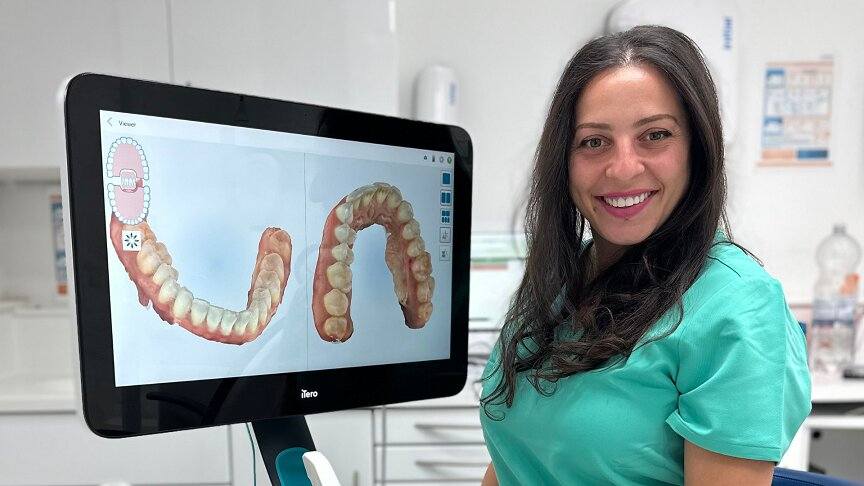
One major reason gum disease is so common is because it starts quietly. Many patients assume that if they are not in pain, their gums are healthy — but gum disease rarely causes discomfort until more advanced stages.
Common Reasons Patients Overlook Early Gum Disease
- Bleeding gums are often dismissed as “normal”
- Mild swelling or redness may go unnoticed
- Bad breath may be attributed to food or dehydration
- Gum recession happens slowly over time
💡 This is why periodontal screenings are crucial — they detect problems long before patients see or feel symptoms.
How Periodontal Screenings Detect Gum Disease Early
Regular dental check-ups include a periodontal screening, which measures gum pocket depths and evaluates the condition of gum tissue and supporting bone. During a periodontal assessment, your dentist or periodontist may check:
- Pocket depth around each tooth
- Gum recession levels
- Bone loss through X-rays
- Presence of tartar under the gumline.
- Mobility of teeth.
💡 These measurements help determine the stage of gum disease and the best course of gum treatment.
Is Gum Disease More Common In Certain Age Groups?
Gum disease can occur at any age, but prevalence increases significantly with age.
In Children
Gingivitis is relatively common in older children, especially around puberty due to hormonal changes. Periodontal disease in young children is rare.
In Adults
Young adults commonly develop mild gingivitis due to inconsistent oral hygiene. Lifestyle factors like stress and diet also play a significant role.
In Older Adults
Periodontal disease becomes more frequent with age because of:
- Years of plaque accumulation.
- Medical conditions.
- Medications causing dry mouth
- Natural gum recession
💡 Many adults over 40 show some degree of periodontal deterioration.
Lifestyle Factors That Increase Your Chances Of Developing Gum Disease
Although gum disease can affect anyone, certain lifestyle choices raise the risk considerably.
Smoking And Vaping
Smoking is one of the strongest contributors to periodontal disease. It affects gum health by:
- Reducing blood flow to the gums.
- Masking early signs like bleeding.
- Impairing healing after gum disease treatment
Smokers often experience more rapid bone loss and deeper periodontal pockets.
Stress And Sleep
Chronic stress weakens the immune system, making it harder to fight bacterial infections. Sleep deprivation also affects oral health and inflammatory responses.
Diet And Nutrition
A diet high in sugar increases plaque levels. Meanwhile, deficiencies in vitamin C and other nutrients can weaken gum tissues.
Oral Hygiene Habits
Skipping flossing is one of the biggest risk factors. Brushing twice a day but never cleaning between teeth leaves approximately 35% of tooth surfaces untouched.
How Common Is Periodontal Disease In London?
Urban populations often experience higher rates of gum disease due to lifestyle and stress-related factors. Common contributors among London patients include:
- Busy schedules leading to delayed dental visits;
- High-stress working environments
- Increased consumption of coffee, alcohol, and convenience foods
- Air pollution and inflammation-related conditions.
💡 This makes professional periodontal monitoring with a gum disease specialist especially important for London residents.
The Different Types Of Periodontal Disease Explained
Periodontal disease presents in various forms, and understanding them helps patients recognise issues early.
Chronic Periodontitis
This is the most prevalent type of gum disease seen in patients. It progresses slowly. It involves inflammation, gum recession and bone loss over time.
Aggressive Periodontitis
Less common but progresses much faster. Often seen in younger patients with genetic predispositions.
Necrotising Periodontal Disease
Typically associated with severe immune compromise. It results in painful, rapidly deteriorating gum tissue.
Periodontitis As A Manifestation Of Systemic Disease
This occurs when underlying health conditions affect periodontal health. Examples include diabetes or blood disorders.
How To Reduce Your Risk Of Gum Disease
While gum disease is common, it is also highly preventable.
Simple steps to protect your periodontal health include:
- Brushing twice daily with a fluoride toothpaste
- Flossing or using interdental brushes every day
- Professional hygiene cleaning every 6 months
- Regular periodontal assessments.
- Reducing sugar intake.
- Avoiding smoking and vaping.
- Managing stress and sleep.
💡 Patients with previous periodontal disease may need more frequent cleanings — typically every 3–4 months.
Periodontal Treatment Options For Gum Disease
If gum disease has progressed beyond gingivitis, specialist care is required.
Non-Surgical Periodontal Treatment For Gum Disease
This includes:
- Deep cleaning (scaling and root planing)
- Antibacterial rinses.
- Laser therapy.
- Improved home care techniques.
💡 Non-surgical treatments aim to reduce inflammation and remove deep tartar.
Surgical Periodontal Treatment For Gum Disease
More advanced cases may require procedures such as:
- Gum flap surgery;
- Bone grafting
- Soft tissue grafting
- Pocket reduction surgery
💡 These procedures restore periodontal stability and prevent tooth loss.
Can Gum Disease Be Cured?
Gingivitis can be fully reversed. Periodontal disease cannot be cured, but it can be managed long-term with professional periodontal care.
Patients who maintain regular periodontal maintenance visits typically enjoy:
- Reduced inflammation
- Stabilised bone levels
- Lower risk of tooth loss;
- Improved oral comfort
Treating Gum Disease In London With Whites Dental
Whites Dental provides advanced periodontal treatment for gum disease at both London clinics.
Why Patients Choose Whites Dental For Periodontal Care:
- Experienced dentists and periodontists.
- Modern technology for accurate periodontal diagnosis.
- Gentle hygiene therapy.
- Personalised periodontal maintenance plans
- Convenient central London locations
Whites Dental Clinic Locations
Whites Dental Waterloo & Southwark
📍 172 Blackfriars Road, London SE1 8ER
📞 020 8616 0590
Whites Dental – Marble Arch (W2)
📍 52B Kendal Street, London W2 2BP
📞 020 3576 2325
💡 Each location offers periodontal screening, non-surgical periodontal cleaning, and ongoing maintenance for lasting gum health.
Final Thoughts: Yes, Gum Disease Is Extremely Common — But Highly Treatable
Gum disease affects millions, but with the right intervention, it does not need to lead to tooth loss or long-term complications. By understanding risk factors, recognising early symptoms, and attending regular periodontal appointments, patients can protect their gum health for life.
Related Articles
- Periodontist Vs. Hygienist: Who Should You See For Gum Problems?
- How Long Can You Keep Your Teeth With Periodontal Disease?
Author

Dr Deepa Chopra
Principal Dentist & Clinic Founder
GDC registration number: 124489
Membership of the Faculty of Dental Surgery from the Royal College of Surgeons of Edinburgh
Membership of the British Dental Association
Restorative Dentistry from Tipton
Align Invisalign profile
LinkedIn profile
Areas of Expertise: 20+ Years Dentistry Experience. General Dentistry, Cosmetic Dentistry, Restorative Dentistry, Invisalign, Composite Bonding, Veneers, Root Canals, Crowns, Dentures, Gum Disease, Hygienist Services, Emergency Dental Services & Teeth Whitening.