

Traditional porcelain veneers produce a very natural look for your smile and are very sturdy, usually lasting 10-15 years. Newer technology allows for very little tooth preparation. Popular for smile makeovers.

Porcelain Veneers London - Durable & Long Lasting Veneers
Transform your smile with porcelain veneers in London with Dr Shayan. Natural looking results that last 10-15 years.

18+ Years Experience
2500+ Cosmetic Cases
2500+ Cosmetic Cases

See Our Results &
What Our Patients Say
What Our Patients Say

Porcelain Veneers Cost
£850-£950 Typically
£850-£950 Typically
Porcelain Veneers - £850-£950 Typically
Porcelain Veneers With Dr Shayan

Porcelain veneers in London come closest to rivalling your natural teeth for strength and appearance.
Sturdy & long lasting – Porcelain veneers are very strong and sturdy. If placed by an experienced cosmetic dentist and then maintained well, they will last 15+ years. They don’t chip easily and are highly resistant to stains.
Natural looking smile results – they produce some of the most natural looking smile outcomes. You will be unable to distinguish porcelain veneers from natural teeth. They are very popular for making smile improvements. Younger professionals and office workers in London really prefer them for that reason.
Little to no tooth preparation – Dr Shayan uses advanced materials that require little to no tooth preparation at all. No prep veneers, which can be just 0.2mm thick, require minimal to no tooth preparation because they are so thin.
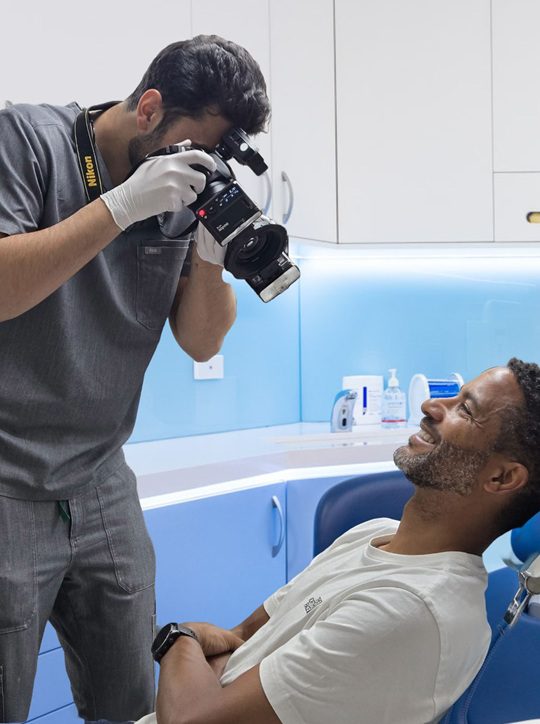
Dr Shayan is one London’s most experienced cosmetic dentists. He has transformed hundreds of smiles from our two Central London clinics – in London Marble Arch and Waterloo. He uses digital smile design and premium materials to deliver natural results that can last over a decade — perfect for London professionals and anyone wanting a confident smile. To find out more, book a free consultation with him.
Send Us An Enquiry
Types Of Porcelain Veneers We Offer
Traditional Porcelain Veneers

Emax Veneers

Emax veneers in London are ultra-thin (about 0.3–0.5 mm), requiring minimal tooth prep. They are made from high-strength lithium disilicate ceramic. Their translucency closely mimics real enamel.
No Prep Veneers

Porcelain no prep veneers in London are a special type that require minimal to no tooth preparation. They are very thin (0.2mm-0.4mm), and yet very sturdy. Some examples include Zeneers, Lumineers etc.
We also offer other types of porcelain – including Zirconia Veneers. Speak to a member of our cosmetic team for our full range of treatments.
Porcelain Veneers Cost & Finance Plans
Price breakdown
At Whites Dental, we are surprisingly affordable. If you want to find out more information on veneers pricing – you can find more information in our veneers cost page.
|
Consultation |
FREE |
|
Emax – 2 Teeth |
from £1,700 |
|
Emax - 4 Teeth |
from £3,400 |
|
Emax – 6 Teeth |
from £4,900 |
|
Emax – 8 Teeth |
from £6,200 |
|
Emax – 10 Teeth |
from £7,400 |
0% finance available
We offer finance plans over 12-60 months to fund your treatment. 12 month finance plans come with 0% APR. Payments spread over 12-24 months are the most popular and listed in the table below.
| Fee | 12 Months | 24 Months |
| £3,000 | £249 a month | £144 a month |
| £4,000 | £322 a month | £168 a month |
| £5,000 | £411 a month | £202 a month |
Full Set Porcelain Veneers Before & After: What Results Can You Expect?

PORCELAIN VENEERS

EMAX VENEERS

PORCELAIN VENEERS
Our full mouth smile transformation cases
Some of our full mouth smile transformations with porcelain veneers below.


What Is The Process For Getting Porcelain Veneers?
Our step by step process explained

Consultation
Our cosmetic dentist in London will have an initial consultation with you to understand your cosmetic goals and objectives. They will then provide you with various options to improve your smile, including porcelain options.

Digital Smile Design
Once you are ready to go ahead, the dentist will design your new smile digitally alongside you. You will be able to make design modifications to suit your needs. We will then sent the design to the laboratory for manufacture.

Trial Smile
The dentist will first invite you for a trial smile, where there will prepare your teeth and provide you temporary trial veneers, allowing you to try and assess your new smile in person. You will be able to request changes at this stage.

Veneers Fit
The final version of your porcelain veneers will then be fit onto your teeth to give you the smile you desire. The dentist will provide you tips and advise on aftercare to help your porcelain veneers last a very long time.
We design your new smile digitally alongside you

How digital smile design for porcelain veneers works
Our patient’s simply love their smile outcomes. And the reason is that they themselves have been completely involved in designing their new smile with porcelain veneers. Dr Shayan will first scan your teeth and show you visually what you teeth currently look like, showing you cosmetic issues that require correction and also discussing your aspirations. He will then create a digital simulation of your new smile, choosing different shapes, styles, shades for each individual teeth alongside you. You will be able to say what you prefer or not. Once the digital model is perfected, he will then send it to the lab to manufacture.


Our Porcelain Veneers Expert
Dr Shayan
GDC Registration Number 278738
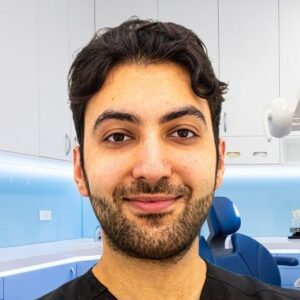
- One of the top cosmetic dentists in London
- Full smile makeover expert – Veneers, Composite Bonding, Invisible Braces
- Graduate from the prestigious Barts and The London School of Medicine and Dentistry
- Gdc registered dentist
Book A Free Porcelain Veneers Consultation
London Waterloo & Marble Arch

Upload Photos Of Your Teeth
Upload photos of your smile and tell us what results you want to achieve. We offer smile transformations at our two clinics in London Waterloo & Marble Arch.

Attend Your Consultation
Attend your consultation at one of our two clinics in London to discuss your smile improvement needs. Dr Shayan will provide treatment options and prices.

Start Your Treatment
The treatment process typically requires 3-4 appointments including a trial smile where you can try your smile before making it permanent.
Porcelain Veneers Explained
What Are Porcelain Veneers?
A porcelain veneer is a thin shell made of porcelain that’s fitted to the front surface of the tooth in order to improve its appearance. It is custom made to exactly fit the tooth and produce the desired smile result. The dentist usually needs to remove a tiny amount of enamel from the tooth surface to enable the veneer to fit on to the tooth surface. With advancements in technology, newer types of porcelain veneers don’t require any enamel to be removed at all. Some are just 0.2mm thick and often don’t require any tooth preparation (no enamel needs to be shaved off). They produce very natural looking results.
What Are They Made From?
They are made from high-quality ceramic designed to mimic the natural look and feel of real teeth. Feldspathic porcelain is the traditional ceramic that’s used, renowned for its translucency and ability to mimic visual properties of your tooth’s natural enamel. Lithium disilicate (or Emax) is a more recent, stronger ceramic that offers both beauty and also durability. It provides a bit more strength than traditional ceramic.
What Can Porcelain Veneers Fix?
Worn Out Teeth

If your teeth are worn out, perhaps as a result of wear or grinding, porcelain veneers can give you back a natural looking smile again.
Misaligned Teeth

Teeth that have mild to moderate levels of misalignment can be corrected. Porcelain veneers can mask the misalignment, providing for a straight looking smile.
Teeth With Gaps

Teeth with gaps are well suited for correcting with porcelain. Porcelain veneers cover the gaps between your teeth, providing you with a complete gapless smile.
Unevenly Shaped Teeth

Teeth that are shaped unusually or don’t sit well alongside adjacent teeth can give you an unbalanced looking smile. Porcelain veneers can even out your smile.
They can help with a range of aesthetic issues for smile improvement. They can help conceal teeth misalignment, unevenly shaped teeth, worn out teeth, chips & cracks, mask gaps between teeth, hide tooth discolorations etc. They help improve and enhance the overall aesthetics of your smile. Porcelain veneers are very popular for complete smile makeovers.
Are Porcelain Veneers Right For You?
Your Smile Goals
Porcelain veneers are ideal if you want to improve the colour, shape, or symmetry of your teeth quickly. They’re a great option for patients seeking a natural-looking, long-lasting cosmetic result.
Your Oral Health And Suitability
You may be a good candidate if your gums and teeth are healthy and you don’t have significant decay or untreated issues. Veneers require enough enamel for bonding, so a consultation helps confirm suitability.
Your Expectations And Lifestyle
If you want a durable, low-maintenance solution that resists stains and maintains its appearance for years, porcelain veneers are worth considering. They work best for patients who avoid habits like grinding or biting hard objects.
How Long Do Porcelain Veneers Last?
Average Lifespan Of Porcelain Veneers
Porcelain veneers typically last 10–15 years, although well-maintained veneers can last 20 years or longer. Their lifespan depends on the quality of the porcelain, the bonding technique and the amount of pressure placed on the teeth.
What Affects The Lifespan Of Porcelain Veneers?
Bruxism (teeth grinding), biting hard objects and accidental trauma can cause porcelain veneers to chip, crack or become detached. Maintaining good oral hygiene, attending regular dental check-ups and wearing a night guard when recommended can help extend their lifespan.
When Should Porcelain Veneers Be Replaced?
You may need to replace your porcelain veneers if they get damaged, develop issues around the edges or their fit gets compromised. A dentist can assess their condition and determine whether replacement is necessary or whether a repair or alternative treatment is appropriate.
Do Porcelain Veneers Damage Your Natural Teeth?
Does Tooth Preparation Damage Enamel?
Porcelain veneers often require a thin layer of enamel to be removed so the veneers fit securely and look natural. Because enamel does not regenerate, this process is usually irreversible and means the treated teeth will generally need veneers or another suitable restoration in the future.
Can Porcelain Veneers Cause Tooth Sensitivity Or Decay?
Some patients experience temporary sensitivity to hot and cold after veneer preparation, although persistent discomfort should be assessed by a dentist. Porcelain itself does not cause tooth decay, but plaque accumulation, poorly fitting veneers or damaged margins can increase the risk of decay in the underlying teeth.
How Can You Protect Your Natural Teeth?
Choosing a suitable treatment plan and preserving as much healthy enamel as possible can help protect the long-term health of your natural teeth. Brushing twice daily with fluoride toothpaste, cleaning between your teeth and attending regular dental check-ups can help maintain the teeth and gums around your veneers.
How Do Porcelain Veneers Work?

Assessment & case planning – during the consultation, the dentist will assess your teeth for suitability and take a scan. They will also do a trial smile, digitally or physically, to show what your final smile will look like.
Teeth preparation – once the porcelain veneers are ready, your teeth will be prepared to allow for the placement of the porcelain shells on the front surface.
Fitting – the veneers are then bonded to the front surface of the teeth with an adhesive. A special light is used to harden the adhesive to ensure a strong bond.
Results & aftercare – the porcelain shells will mask any underlying cosmetic imperfections, giving you the smile you desired. The dentist will advise on after care tasks to help ensure they last a long time. That’s how porcelain veneers work.
Porcelain Veneers Vs Composite Veneers
Durability Comparison
Lifespan of porcelain is 10-15 years, perhaps even longer with good after care. They are made from strong, durable ceramic that requires minimal maintenance. Composites on the other hand usually last 5-7 years with good care. Resin is softer and not as durable – it requires frequent polish to maintain its shine.
Aesthetic Differences
Porcelain displays natural translucency, a polished finish and is stain resistant. Composites on the other hand are less translucent, have a matte finish (which can be polished) and are more prone to staining.
Affordability
Porcelain is more expensive, however, the results are more natural and longer lasting. Composites are more affordable, but the results are not as natural and durable as porcelain.
Porcelain Veneers Vs Composite Veneers: Comparison Table
| Feature | Porcelain Veneers | Composite Veneers |
|---|---|---|
| Material | Custom-made dental porcelain | Tooth-coloured composite resin |
| Appearance | Excellent translucency and natural-looking aesthetics | Natural-looking results, but generally less translucent |
| Lifespan | Typically 10–15 years or longer with proper care | Typically 4–8 years, depending on care and wear |
| Stain Resistance | Highly resistant to staining | More prone to staining and discolouration |
| Tooth Preparation | Usually requires some enamel removal | May require little or no enamel removal |
| Treatment Time | Usually requires multiple appointments | Often completed in one appointment |
| Repairability | More difficult to repair if chipped or fractured | Generally easier to repair or reshape |
| Reversibility | Usually irreversible if enamel is removed | May be reversible in selected cases if no enamel is removed |
| Cost | Generally more expensive | Generally more affordable |
| Best For | Long-lasting smile transformations with excellent aesthetics | Budget-friendly cosmetic improvements and minor tooth imperfections |
How To Care For Your Porcelain Veneers
Choose The Right Toothbrush And Toothpaste
Use a soft toothbrush and a non-abrasive fluoride toothpaste to clean your veneers without causing unnecessary wear to surrounding tooth surfaces. Avoid aggressive brushing, as damaging the gum tissue can expose the edges of the prepared teeth and make them more vulnerable to sensitivity.
Protect Veneers From Excessive Pressure
Porcelain can withstand normal chewing forces, but sudden impacts or repeated pressure may cause cracks or fractures. Cut particularly hard foods into smaller pieces and avoid biting directly into hard sweets, ice or nutshells with your veneered teeth.
Keep The Edges Of Your Veneers Clean
Food debris can collect where your veneers meet your natural teeth, forming plaque in the process. It becomes vital to cleaning these areas thoroughly. Floss gently between each tooth every day, taking care not to snap the floss against the gums, and use interdental brushes where your dentist recommends them.
Prevent Teeth Grinding From Causing Damage
Clenching and grinding can place substantial force on porcelain veneers, increasing the likelihood of chipping or loosening over time. If you wake with jaw discomfort or notice signs of grinding, ask your dentist about a protective night guard designed to fit your teeth.
Check Your Veneers For Changes
Pay attention to new sensitivity, rough edges, changes in your bite or any movement of a veneer, as these may indicate a problem that needs attention. Arrange a dental assessment if you notice anything unusual, rather than attempting to smooth, glue or adjust the veneer yourself.
Patient Reveals With Dr Shayan

PORCELAIN VENEERS

EMAX VENEERS

PORCELAIN VENEERS
Frequently Asked Questions
Will porcelain veneers damage my natural teeth?
+Will porcelain veneers make my teeth look fake?
+Can I see what my teeth will look like prior to starting treatment?
+Who can have porcelain veneers?
+Are porcelain veneers worth it?
+Do they require specific or special care?
+Are porcelain veneers stain resistant?
+What are the risks of porcelain veneers?
+What are the alternatives to porcelain veneers?
+Finding Us In Central London
Whites Dental Waterloo
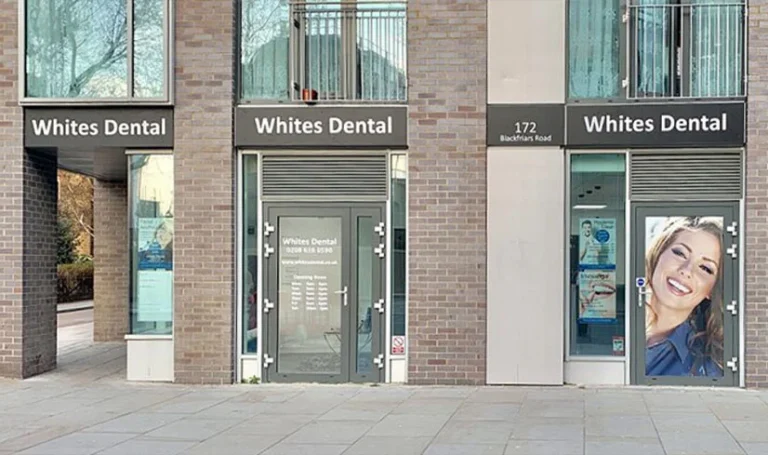
Our clinic in London Waterloo is right next to Southwark Tube station.
- London Bridge rail station – 12 minutes walk
- Southbank tube station – 1 minute walk
- London Waterloo rail station – 8 minutes walk
- Borough – 10 minutes walk
- Elephant & Castle Tube station – 6 minutes walk
Whites Dental Marble Arch (W2)

Our clinic in Marble Arch is in W2, the West End of London.
- London Paddington – 11 minutes walk
- Hyde Park – 6 minutes walk
- Oxford Street – 6 minutes walk
- Regent’s Park – 15 minutes walk
- Notting Hill and Kensington – 16 minutes walk