

Key Takeaway – Teeth Whitening Is Painless For Most Patients
Teeth whitening is not painful for most patients, but mild, temporary sensitivity can occur; with professional, dentist-led treatment, this is carefully managed and kept to a minimum while achieving safe, effective results.
Is Teeth Whitening Actually Painful

What Most Patients Experience
For the majority of patients, professional teeth whitening treatment does not cause pain. Some patients can feel mild sensitivity during whitening treatment, or perhaps shortly after. However, this is temporary and very manageable. This sensitivity is not constant pain but rather brief sensations that occur as the teeth whitening gel interacts with the tooth structure. In most cases, it is mild and does not interfere with daily activities.
- No ongoing or continuous pain during treatment
- Mild tingling or “zingers” may occur briefly
- Most patients remain comfortable throughout
- Sensations fade quickly after treatment
Why It Is Often Misunderstood
Many concerns about pain come from outdated information or non-professional treatments rather than modern dentist-led systems. Professional teeth whitening is carefully controlled, meaning discomfort is minimised compared to unsupervised approaches. This makes a significant difference in patient experience.
- Misconceptions often come from DIY treatments.
- Older techniques were less controlled.
- Online information exaggerates discomfort
- Professional care significantly improves comfort
💡 Most patients are surprised by how comfortable professional teeth whitening actually is, with minimal or mild side effects from teeth whitening.
Why Sensitivity Can Occur During Teeth Whitening
The Biological Process
Sensitivity during teeth whitening is linked to how whitening gels work. The active ingredients penetrate enamel to break down stains, which can temporarily affect how teeth respond to temperature. This process is essential for achieving results, but it can make teeth slightly more reactive for a short period.
- Peroxide opens microscopic pathways in enamel.
- Temporary increase in tooth permeability.
- Nerve endings become more responsive
- Sensitivity is a normal, short-term response
What Triggers Sensitivity (Often Confused As Pain)
Not all patients experience sensitivity, but certain triggers can make it more noticeable.
- Cold air or drinks during or after treatment
- Naturally sensitive teeth
- Thin enamel or enamel wear
- Gum recession exposing dentine
💡 Sensitivity is a normal part of the teeth whitening process and not a sign of damage.
How Dentists Minimise Pain / Sensitivity During Teeth Whitening
Personalised Treatment Planning
Professional teeth whitening is tailored to each patient, ensuring both comfort and effectiveness. Dentists assess your teeth before treatment and adjust the approach to reduce sensitivity risks. This level of control is what makes professional teeth whitening far more comfortable.
- Custom trays ensure even gel application
- Gel strength is adjusted for sensitivity levels.
- Treatment duration is carefully controlled.
- Pre-treatment checks reduce risk
Advanced Professional Techniques
Modern teeth whitening kits and systems are designed to balance strong results with patient comfort. These systems allow gradual whitening while reducing the chance of discomfort, especially for patients with sensitive teeth.
- Gradual whitening reduces sudden sensitivity
- Desensitising agents may be included
- Treatment can be paused or adjusted
- Continuous monitoring ensures comfort
💡 Dentist-led professional teeth whitening is specifically designed to maximise comfort while delivering results.
Who Is More Likely To Experience Sensitivity
Patient Risk Factors
Some patients are naturally more prone to sensitivity, but this does not mean teeth whitening is unsuitable.
Understanding these factors allows dentists to adjust treatment and minimise discomfort effectively.
- History of tooth sensitivity.
- Enamel erosion from diet or habits.
- Gum recession exposing root surfaces
- Previous dental treatments
How These Risks Are Managed
Professional assessment ensures these risks are identified and addressed before treatment begins. This allows for a safer and more comfortable teeth whitening experience tailored to individual needs.
- Use of lower-strength gels where needed
- Shorter treatment sessions
- Pre-treatment desensitising products
- Close monitoring throughout
💡 Even sensitive teeth can be whitened comfortably with the right professional approach.
How Long Does Teeth Whitening Sensitivity Last
Typical Duration Of Sensitivity
When sensitivity occurs, it is temporary and resolves quickly in most cases. Patients usually notice mild sensitivity shortly after treatment, which gradually fades as the teeth return to normal.
- Sensitivity peaks within the first 24 hours.
- Gradually reduces over 2–3 days
- Rarely lasts beyond a few days
- Does not cause permanent damage
When To Seek Advice
Although uncommon, prolonged discomfort should always be checked by a dentist.
- Sensitivity lasting longer than one week
- Increasing discomfort instead of improvement
- Pain when biting or chewing
- Signs of gum irritation
💡 Temporary sensitivity is normal, but persistent discomfort should be assessed professionally.
How To Reduce Sensitivity After Teeth Whitening

Immediate Aftercare Steps
Following the right aftercare routine can significantly reduce sensitivity and improve comfort. Simple adjustments in the first few days help teeth recover and maintain teethwhitening results.
- Avoid very hot or cold foods.
- Use toothpaste designed for sensitive teeth.
- Avoid acidic or staining foods initially.
- Brush gently using a soft-bristled brush
Long-Term Prevention
Maintaining good habits helps prevent sensitivity in future teeth whitening treatments.
- Follow dentist-recommended whitening schedules
- Avoid overuse of teeth whitening products
- Maintain consistent oral hygiene
- Attend regular dental check-ups
💡 Proper aftercare reduces sensitivity and helps maintain teeth whitening results longer.
Why Professional Teeth Whitening Is More Comfortable And Pain Free
Compared To Non-Professional Methods
Professional teeth whitening is far more controlled and predictable than over-the-counter options, which often cause more discomfort. This is because treatments provided by teeth whitening dentists are tailored, monitored, and adjusted as needed.
- Custom trays prevent gum irritation
- Controlled gel strength reduces sensitivity risk
- Even application avoids patchy results
- Professional supervision improves safety
Long-Term Comfort And Results
Choosing professional teeth whitening not only improves comfort but also delivers better and longer-lasting results.
- More predictable whitening outcomes
- Reduced risk of enamel damage
- Better management of sensitivity
- Ongoing professional support
💡 Professional whitening offers both better comfort and superior results compared to DIY methods.
Dentists At Whites Dental In London Can Help Manage Pain / Sensitivity During Teeth Whitening
If you are concerned about discomfort, Whites Dental provides expert-led teeth whitening treatments in London designed to maximise comfort while delivering excellent cosmetic results. Their approach focuses on personalised care, ensuring every patient receives a treatment plan suited to their sensitivity levels and goals.
- Comprehensive pre-treatment assessment
- Customised whitening plans for comfort
- Use of advanced professional systems
- Clinics located in Waterloo and Marble Arch
With professional guidance, patients can achieve a brighter smile without unnecessary discomfort.
💡 A personalised dental approach ensures whitening is both safe and comfortable.
FAQs – Teeth Whitening & Pain
Is Teeth Whitening Painful For Most People
No, most patients experience little to no pain, though mild sensitivity can occur temporarily.
How Long Does Sensitivity Last After Whitening
It usually lasts between 24 and 72 hours and resolves on its own.
Can Sensitive Teeth Be Whitened Safely
Yes, with professional assessment and tailored treatment, sensitive teeth can be whitened comfortably.
What Causes Pain During Whitening
Sensitivity is caused by the whitening gel temporarily affecting enamel permeability.
Is Professional Whitening More Comfortable Than DIY Options
Yes, dentist-led whitening is more controlled, making it safer and more comfortable.
Final Thoughts – Teeth Whitening Is Painless, Although Minor Sensitivity Can Occur
Teeth whitening is not a painful procedure when carried out professionally. While mild sensitivity can occur, it is temporary and manageable, especially with a personalised approach. By choosing dentist-led whitening, patients can achieve a brighter smile comfortably while maintaining optimal oral health.
Related Articles
Author

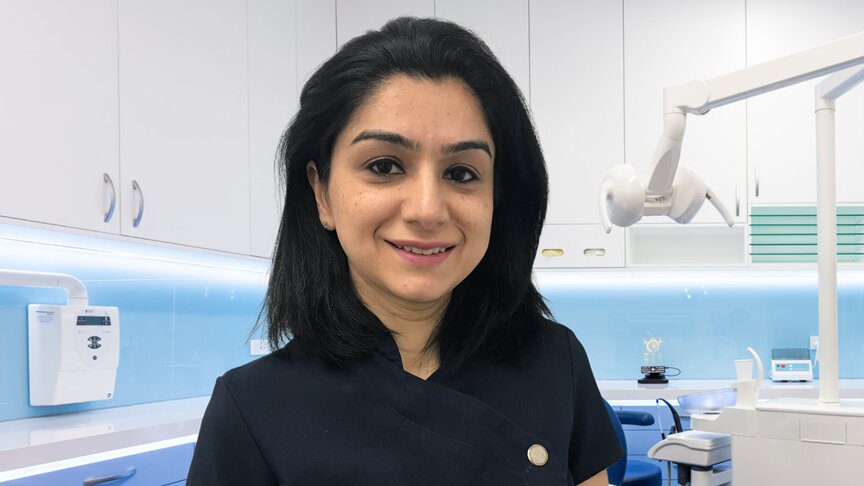
Dr Deepa Chopra
Principal Dentist & Clinic Founder
GDC registration number: 124489
Membership of the Faculty of Dental Surgery from the Royal College of Surgeons of Edinburgh
Membership of the British Dental Association
Restorative Dentistry from Tipton
Align Invisalign profile
LinkedIn profile
Areas of Expertise: 20+ Years Dentistry Experience. General Dentistry, Cosmetic Dentistry, Restorative Dentistry, Invisalign, Composite Bonding, Veneers, Root Canals, Crowns, Dentures, Gum Disease, Hygienist Services, Emergency Dental Services & Teeth Whitening.