
Periodontal Maintenance In London That's Affordable
Book directly for a periodontal maintenance appointment for keeping your gum disease in control.
Periodontal Maintenance Appointments Just £150 Each


Periodontal Maintenance Appointments For Managing Gum Disease
Specialized, ongoing medical cleaning and evaluation for patients who have been treated for gum disease
Sarah is highly experienced and exceptionally reassuring – Sarah is very experienced in gum disease care and takes a comforting and reassuring approach with her patients so they feel comfortable throughout their maintenance appointments.
Personalised maintenance plans – we provide bespoke periodontal maintenance based specifically on your gum health, previous gum disease treatment history and risk of any recurrence.
Affordable periodontal maintenance in London – Whites Dental offers highly affordably priced maintenance appointments for patients looking to manage their gum disease with ongoing management and care. Prices are typically £150 per appointment.
Make An Enquiry
Can Periodontal Disease Be Cured?
Periodontal Disease Can Be Controlled, But Not Fully Reversed With Professional Treatment
Periodontal disease can often be stabilised with professional cleaning beneath the gumline, targeted periodontal treatment and improvements to daily oral hygiene. However, when the condition has caused permanent bone loss or gum recession, treatment cannot usually restore all the damage that has already occurred.
Treatment Can Prevent Further Damage
Removing bacterial deposits from periodontal pockets reduces inflammation and helps prevent further destruction of the tissues supporting the teeth. Depending on the severity of the disease, treatment may include deep cleaning or periodontal surgery to manage persistent infection and protect the remaining tooth support.
Periodontal Maintenance Is Essential For Long-Term Control
Periodontal disease can recur even after successful treatment, making regular maintenance appointments with your clinician really important for keeping the condition stable. Ongoing clinical care helps to limit bacterial build-up, reduce the risk of further gum damage and bone loss and preserve your natural teeth.

What Happens At Our Periodontal Maintenance Appointment
What periodontal maintenance treatment involves: key stages
Step 1: Checking The Condition Of Your Gums
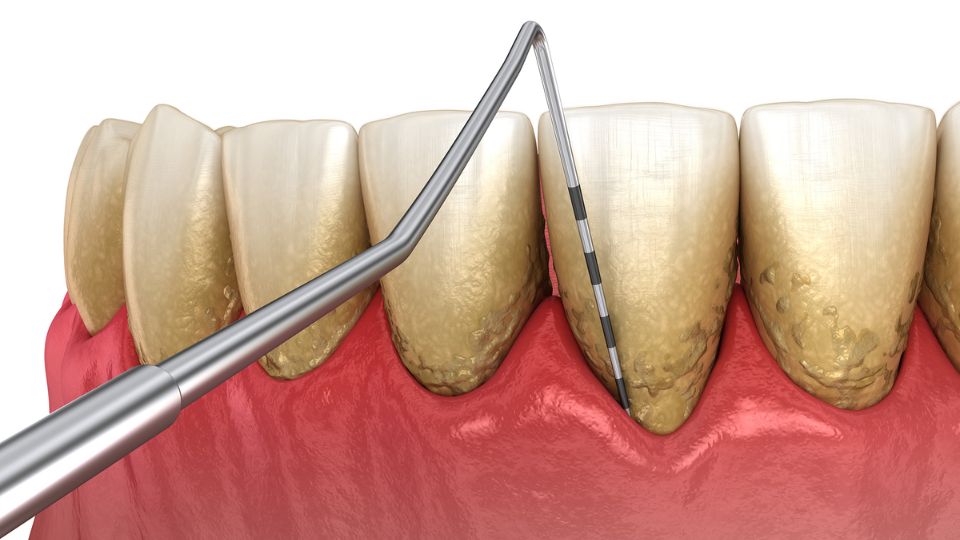
Our clinician will examine and assess your gums (a 6 point pocket chart occasionally) for swelling, bleeding, recession signals and changes in the spaces between your teeth and gums. This helps identify areas where periodontal disease may still be active or where further damage could develop.
Step 2: Deep Cleaning Beneath The Gumline
Specialist dental instruments are used to remove plaque and tartar from surfaces around and below the gumline that are difficult to reach at home. This reduces the bacterial build-up responsible for ongoing inflammation and helps keep previously treated gum disease under control.
Step 3: Reviewing Your Progress
The clinician checks how your gums have responded to previous treatment and whether signs of inflammation have reduced. If certain areas continue to remain problematic, additional deep cleans or periodontal treatment may be advised.
Step 4: Arranging Your Next Maintenance Visit
Your dentist recommends how frequently you should return based on the condition of your gums and your risk of developing further periodontal problems. Regular appointments help maintain the results of treatment and reduce the likelihood of gum disease progressing again.
How Much Does Periodontal Maintenance Cost In London?
Typical prices for periodontal maintenance are noted below. We offer discounts for a full year plan as shown further down the page.
|
6 Point Pocket Chart |
£85 |
|
Periodontal maintenance |
typically £150 |
Periodontal Maintenance Annual Plan
Annual Maintenance Plan 20% Off
Sign up for 4 periodontal maintenance appointments over a course of 12 months and we will give you 20% off our maintenance prices.
Discounted Prices
Usual fee for 4 maintenance appointments – £600
Discounted fee for 4 maintenance appointments – £480
Total savings – £120
Note: The 4 periodontal maintenance appointments need to be completed within 12 months of the first appointment.
Book A Periodontal Maintenance Appointment At Whites Dental

At Whites Dental, we provide periodontal maintenance to help patients manage gum disease, maintain healthier gums and prevent further damage to the tissues supporting their teeth. Our team of periodontal experts will assess the health of your gums, remove plaque & tartar from around and beneath the gum line and recommend a maintenance schedule suited to your gum health needs.
Whether you have completed periodontal treatment or need ongoing care for existing gum problems, regular maintenance can help protect your natural teeth and keep your gums stable. Book a periodontal maintenance appointment with Sarah at Whites Dental.
Who Should Undergo Periodontal Maintenance?
Patients Who Have Previously Had Gum Disease
Once periodontitis has set in, managing it keeping it under control usually requires more than good oral hygiene and occasional hygiene visits. Regular periodontal maintenance appointments provide continued medical care to manage your gum disease and check that previous periodontal treatment remains effective.
Patients With Persistent Periodontal Pockets
Gums affected by periodontitis may leave narrow channels around the teeth where bacteria can accumulate out of reach of a toothbrush. Periodontal maintenance visits are focused on these highly vulnerable areas and helps the clinician ascertain whether the current level of care is sufficient.
Patients Who Have Experienced Bone Loss
Previous periodontal damage can weaken the foundation of a tooth, even when discomfort and bleeding have disappeared. Regular maintenance allows changes in the surrounding gums and tooth support to be assessed, helping reduce the likelihood of avoidable tooth loss.
Patients At Risk Of Recurring Periodontitis
Some patients face additional challenges controlling gum disease because of smoking, diabetes, plaque accumulation or other individual risk factors. A personalised maintenance plan helps address these challenges through appropriate cleaning intervals and regular assessments of periodontal health.
How Often Should You Have Periodontal Maintenance?
Every Three To Four Months
A maintenance visit is often advised every three to four months after periodontal treatment to remove fresh deposits of plaque and tartar before they contribute to renewed gum inflammation. Your dentist will set the interval based on how effectively the earlier treatment controlled the disease.
When Gum Disease Is More Advanced
Patients who have experienced significant damage to the gums or supporting bone may require more frequent professional cleaning and closer supervision. Shorter gaps between sessions give the clinician more opportunity to spot signs of any recurring infection and respond quickly to address it.
When Your Gum Health Is Stable
Healthy-looking gums do not necessarily mean that the risk of periodontitis has disappeared, so maintenance should continue even when symptoms have settled. Keeping up with scheduled appointments helps your dentist detect subtle changes in gum pockets and supporting tissues.
Can You Wait Six Months Between Appointments?
Waiting six months may allow plaque and tartar to accumulate for too long in patients who are susceptible to recurrent gum disease. Our dentist will determine whether 6 months is too long an interval or whether more frequent maintenance visits are needed.
What Happens If You Stop Periodontal Maintenance?
Gum Disease Can Become Active Again
Without regular periodontal maintenance, plaque and tartar can accumulate around the teeth and beneath the gumline, allowing harmful bacteria to trigger renewed inflammation. Previously treated gum disease can or even get worse – this is true even if your gums may initially appear to be healthy.
Bone Loss And Gum Recession May Progress
If periodontal disease remains uncontrolled, the tissues and bone supporting your teeth can deteriorate further, potentially causing loose teeth, changes in your bite and eventual tooth loss. Once significant supporting bone has been destroyed, it cannot usually be restored without additional periodontal treatment.
Further Dental Treatment (Often Expensive) May Become Necessary
Missing maintenance appointments can allow problems to develop that require more extensive treatment than routine professional cleaning. Keeping up with your suggested maintenance appointments helps your clinician identify early signs infection / inflammation recurrence and manage it in a timely manner.
Is Periodontal Maintenance Painful?
Periodontal Maintenance Is Usually Comfortable
Periodontal maintenance is generally not painful, although pressure and mild sensitivity may occur when plaque and tartar are removed from around the teeth and beneath the gums. Patients who have gum recession, exposed roots or inflamed gum pockets can likely experience higher levels of sensitivity during the maintenance appointment.
Mild Gum Tenderness Can Occur Afterwards
The gums may feel sore or bleed slightly after treatment, particularly when there is significant inflammation or substantial tartar build-up. This discomfort usually settles within a few days as the tissues recover.
Local Anaesthetic Can Reduce Discomfort
For patients with sensitive teeth, tender gums or deeper periodontal pockets, local anaesthetic can be used to make cleaning more comfortable. The dentist can also adjust the cleaning technique and treat particularly sensitive areas in stages to improve comfort throughout the appointment.
How Patients Can Support Periodontal Maintenance At Home
Build A Consistent Oral Care Routine
Maintaining and keeping gum disease stable depends on removing plaque quickly, so it doesn’t harden into tartar and then subsequently irritate the surrounding gum tissues. Brush twice daily with fluoride toothpaste and spend extra time around teeth that have previously developed periodontal pockets.
Adapt Cleaning To Your Gum Condition
Gum recession and changes in the spaces between teeth can make your usual cleaning tools less effective than they once were. Ask your hygienist to demonstrate how to clean these areas properly, particularly around crowns, bridges or other dental restorations where plaque can collect.
Be Mindful Of Factors That Affect Gum Healing
Smoking, excessive alcohol consumption and poorly controlled diabetes can complicate efforts to maintain healthy periodontal tissues. Addressing the above mentioned lifestyle factors helps improve your chances of keeping your gum disease under control.
Do Not Ignore Signs Of Deterioration
Changes such as a tooth shifting position, new gaps appearing between teeth or discomfort when chewing deserve attention, particularly if you have a history of periodontitis. Contact your treating clinician right away if you notice any of these developments.