Composite Bonding London - Natural Smile Results From £220
Ready to transform your smile with teeth bonding? Book a free consultation at our London clinics.

20+ Years Experience
2500+ Cosmetic Cases
2500+ Cosmetic Cases

See Our Bonding Results &
What Our Patients Say
What Our Patients Say

Composite Bonding
from £220
from £220
Composite Bonding - Cost Effective Smile Transformation At London's Dedicated Bonding Clinic


Composite Bonding - Fully Reversible Pain Free Smile Makeover From £220
Benefits of composite bonding

Ready to transform your smile – that too in just one day? Choose composite bonding in London with our expert dentists, cost effective smile transformation.
Correct cosmetic issues – repair a chipped tooth, fix cracked or discoloured teeth, correct uneven teeth, mask cosmetic imperfections with cosmetic bonding, restoring your natural flawless smile.
Natural looking results – in the hands of an experienced cosmetic dentist in London, composite bonding produces excellent, natural results.
Pain free – it is minimally invasive, requiring no drilling or anaesthesia and is completely pain free. No needles are used.
Completed in one appointment – the bonding procedure can typically be completed in a single visit. If you are having bonding on a number of teeth, the dentist can complete bonding in one long appointment.
At Whites Dental, our bonding dentists are some of the most experienced in the industry. They offer advanced bonding techniques liked Enhanced Bonding (most dentists in London don’t offer this technique), producing very natural looking results that last years and years. If you are looking to transform your smile, or restore chipped, worn or gapped teeth, begin your smile transformation journey with a free consultation with our tooth bonding experts at one of our two clinics in Central London.
Our Waterloo SE1 dental clinic is located in the heart of Southbank, just minutes on foot from Blackfriars, London Bridge, Southwark, City Of London, Elephant and Castle and Southbank.
Our Marble Arch W2 dental clinic is off Edgware Road, and is a short walk from Paddington, Bayswater, Notting Hill, Maida Vale, Marylebone and Oxford Street.
Spready the cost of composite bonding over 12-60 months
We offer interest-free finance option to fund your composite bonding treatment. Multi-year finance plans are also available to our patients.

Make An Enquiry
Types Of Composite Bonding We Offer
Standard Bonding
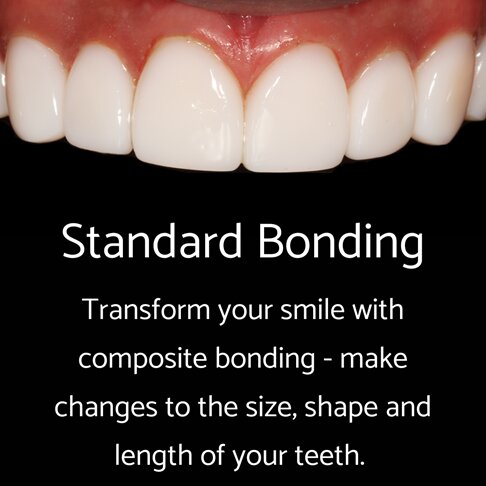
Standard bonding is the technique that most dentists offer for improving the shape and size of the teeth. It produces good smile transformation results.
Enhanced Bonding
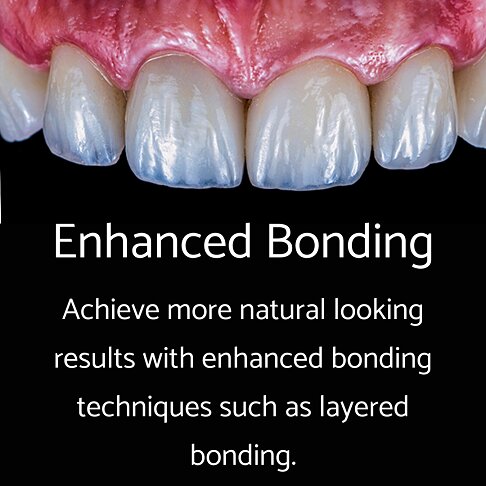
Enhanced bonding techniques such as layered bonding are offered by more experienced cosmetic dentists. They provide more natural smile outcomes.
Our Enhanced Bonding Produces More Natural Outcomes
A more advanced bonding technique patients love
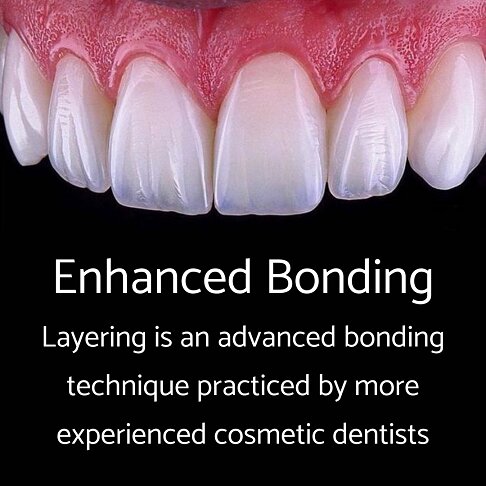
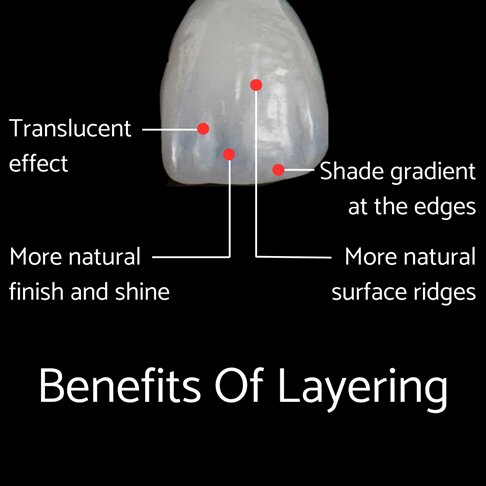
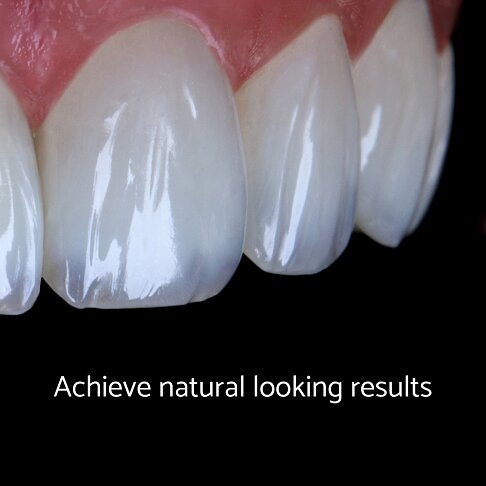
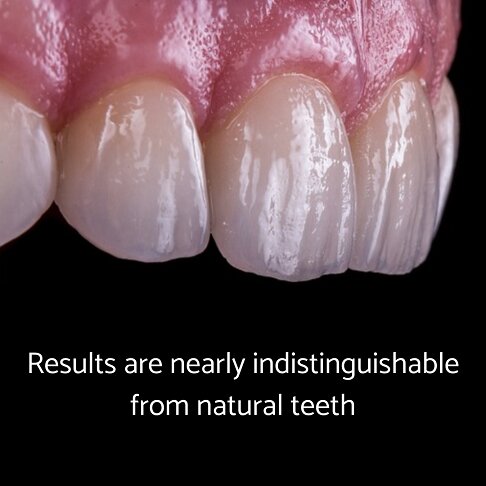
Layering is an advanced dental bonding technique offered by more experienced cosmetic dentists. It involves applying the composite resin in stages on the tooth surface – each stage having a slightly different shade and structure to the previous stage, mimicking the structure of natural teeth. The procedure is a lot more time consuming than standard bonding, however, the results are much more natural looking, providing translucency, shade gradient at the tooth edges, more natural surface ridges and a more natural finish and shine to the bonded tooth.
What Is Composite Edge Bonding?
How it is different to composite bonding
The main difference is where the composite resin is applied and how much of the tooth is being changed. Composite edge bonding focuses specifically on the biting edges, whereas composite bonding covers different areas of the tooth to address a wider range of cosmetic concerns.
Composite edge bonding is rarely advised by our cosmetic dentists. The results are often not as natural looking as composite bonding. And also often don’t last as long in our experience.
Cost Of Composite Bonding In London From £220 Per Tooth
Typical prices
At Whites Dental, we offer cosmetic treatments at our two London clinics. If you want to find out how much is composite bonding UK, you can find this information on our cost page.
|
Smile Consultation |
FREE |
|
Bonding - 1 Tooth |
typically £235 - £300 |
|
Bonding - 2 Teeth |
typically £500 - £600 |
|
Bonding – 4 Teeth |
typically £995 - £1,195 |
|
Bonding – 12 Teeth |
typically £2,995 - £3,495 |
We recommend bonding on 4-6+ teeth to achieve a symmetrical, natural looking smile.
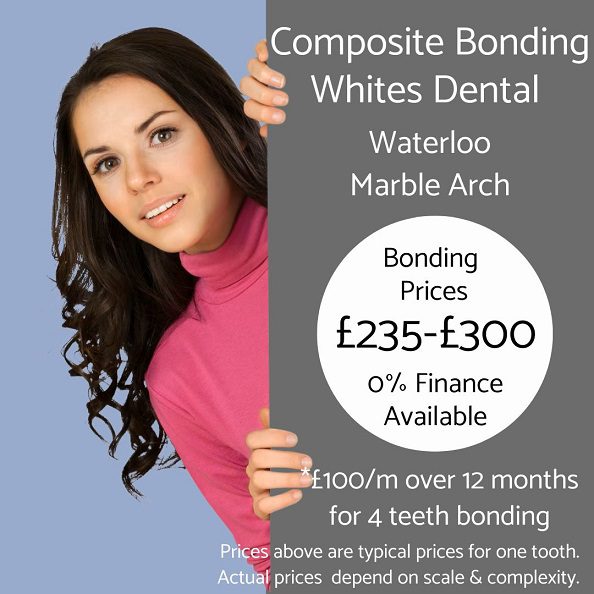
Spread the cost with 0% finance plans
At Whites Dental, we offer a range of finance plans to fund your treatments. You can spread the cost of your treatment over 12 – 60 months in equal monthly instalments. We also include a 0% finance plan as well. The table below lists your monthly payments over 12 to 24 months.
Try our Finance Calculator.
| Fee | 12 Months Finance Plan | 24 Months Finance Plan |
| £995 | £66 per month | £33 per month |
| £1,495 | £108 per month | £54 per month |
| £2,495 | £191 per month | £96 per month |
| £3,495 | £275 per month | £137 per month |
Our Before & After Results
Results from our London patients
Our dentists are some of the most experienced in the industry and have transformed hundreds of smiles over the years. We show in the sections below results for our bonding smile transformation for our patients in London. You can see some of the before and after pictures of our smile transformations with bonding in the image gallery below. We have many more photos in our gallery page.

Case 1 - Gappy Teeth
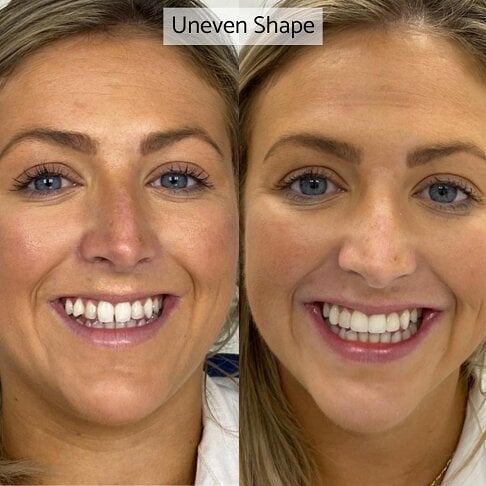
Case 2 - Uneven Shape

Case 3 - Minor Misalignment
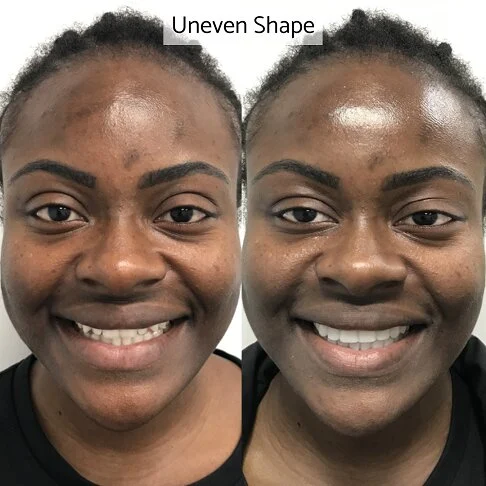
Case 4 - Uneven Shape
Case 1 – Gappy Teeth
Reason: Noticeable gaps between the front teeth that made the smile look uneven and affected overall confidence.
How composite bonding helped: Carefully shaped composite was used to close the gaps and create a more balanced, natural-looking smile. The transformation was completed in a one appointment with no injections and minimal preparation of the natural teeth.
Case 2 – Uneven Shape
Reason: Irregularly shaped front teeth with uneven edges, creating an unbalanced smile line and affecting overall symmetry.
How composite bonding helped: Carefully layered composite was used to reshape and refine the teeth, improving symmetry and creating a smoother, more harmonious smile. The result was achieved in a one appointment with no injections and minimal preparation of the natural teeth.
Case 3 – Misalignment
Reason: Slightly misaligned front teeth causing a mildly uneven smile line and affecting overall symmetry and alignment.
How composite bonding helped: Subtle layers of composite were applied to reshape and visually align the teeth, creating a straighter and more balanced smile. The result was achieved in a single appointment with no injections and minimal preparation of the natural teeth.
Case 4 – Uneven Shape
Reason: Visible front teeth with irregular shapes and inconsistent contours, creating a lack of balance in the smile and impacting overall aesthetic harmony.
How composite bonding helped: Carefully sculpted composite was used to refine and even out the tooth shapes, creating a smoother, more symmetrical smile. The transformation was completed in a single appointment.
Book A Composite Bonding Free Consultation
Flexible appointments including video consultations in Central London

Upload Your Photos
Upload your photos and tell us what concerns you about your teeth. The pictures will help identify treatment options during the free consultation.

Free Consultation
We will usually reply within 24 hours to book you for a free video consult. We will provide you options and duration for your composite bonding treatment during the consult.

Bonding Appointment
We will book you for an appointment at one of our two cosmetic dentistry practices in London,
where we will take impressions and create a treatment plan for you.
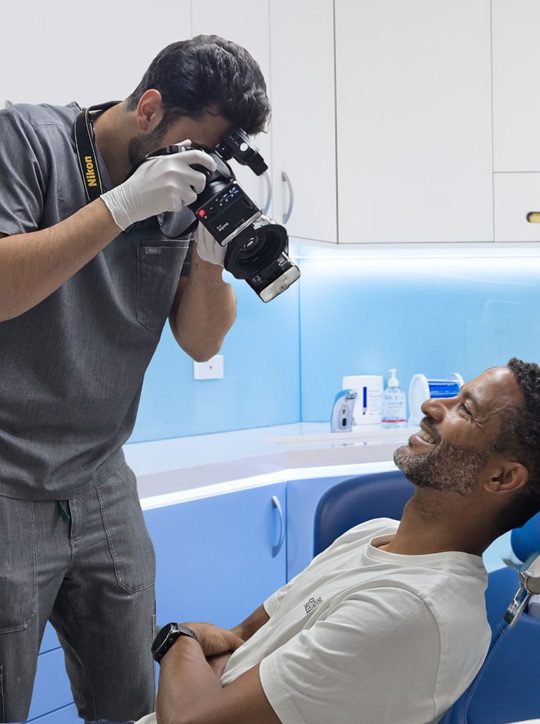
Our Composite Bonding Treatment Process
Step-by-step treatment timeline
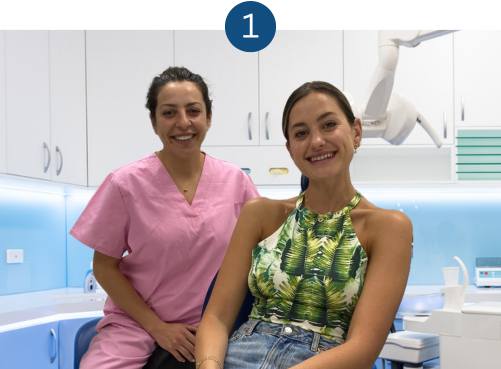
Consultation
Your journey to a new smile starts with a consultation with our expert cosmetic dentist – consult lasts about 30 minutes. They will discuss your smile goals and then provide composite bonding options and a firm treatment plan to improve your smile.

Smile Design
Soon after or once you are ready, our dentist will design your new smile alongside you using our state of the art smile simulation software. You can choose the shape, style and shade of each tooth and how you want them to look.

Smile Transformation
Typically after a week, we will then book you for a long appointment where we will transform your smile with composite bonding. Most smile transformations can be completed in one day. We will provide you tips for caring for your bonding as well.
How long does the treatment take?
Bonding usually takes 30-45 minutes per tooth to perform. Usually, at least 4 front teeth are bonded, in which case it can be completed in one appointment. Typically takes 2-3 hours. For 6-8 teeth, the dentist will usually suggest a longer appointment of 4-5 hours.
Our Composite Bonding London Experts
Award winning dentist
Dr Elliot
GDC Registration Number 58624

- One of the most experienced composite bonding dentists in London – 25 years experience
- Top 1% of Invisalign providers in the world. Over 1,000 cases
- Invisalign aligners lecturer and trainer
- Post grad training in Orthodontics – 10 years experience
- Full Smile Makeover expert – dental bonding, veneers, crowns, invisible and fixed braces
- Gdc registered dentist
- Invisalign provider
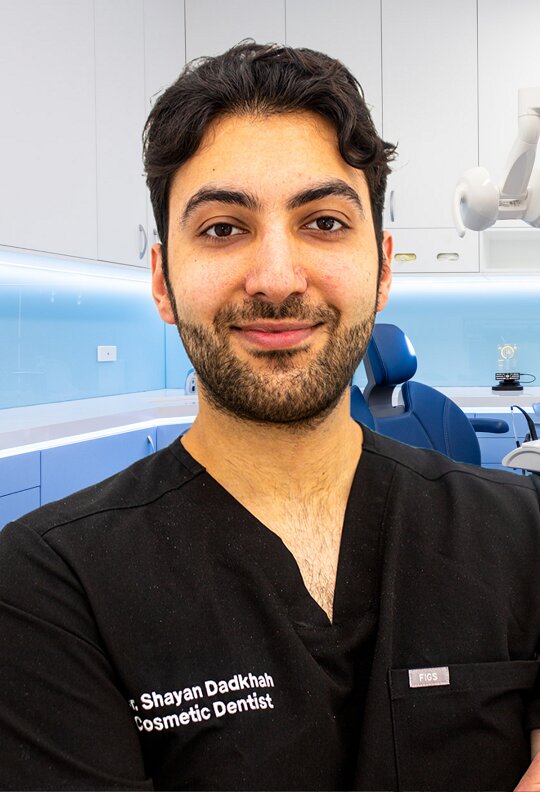
Dr Shayan
GDC Registration Number 278738

- One of London’s top cosmetic dentists
- Full smile makeover expert – Bonding, Veneers & Crowns, Fixed and Invisible Braces
- Cosmetic only dentist
- See his results and what his patients say
- Graduate from the prestigious Barts and The London School of Medicine and Dentistry
- Gdc registered dentist
All our dentists are registered on the General Dental Council register.
How Does Composite Bonding Work?

Cleaning – the dentist will first clean and prepare the tooth surface, to help ensure the composite adheres properly to the tooth surface.
Applying the composite resin – the resin is then colour matched with your natural tooth and applied to the surface of the tooth and sculpted to the desired shape. For edge bonding, mostly on the edges of the teeth are reshaped. For full surface bonding, the entirety of the front surface is reshaped or resized.
Hardening the resin – the composite resin is then hardened with a special light so it sets firmly in place.
Polishing – the dentist will then polish the resin to provide a natural shine and texture to the bonded teeth.
What Can Composite Bonding Fix?
Gaps In Teeth
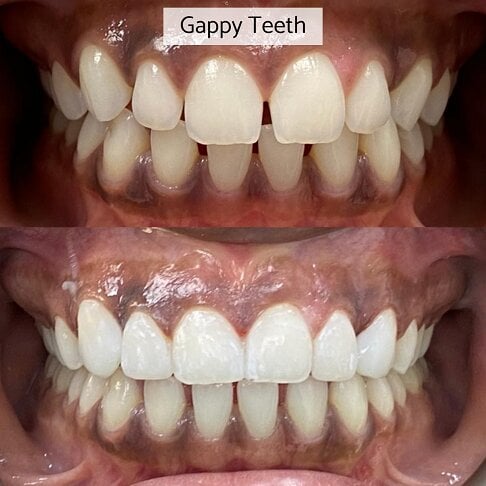
Bonding can be used to close gaps between your teeth. If you have a gappy smile, bonding mask the gaps. Front tooth gaps can often be masked with cosmetic bonding.
Cracks & Chipped Teeth
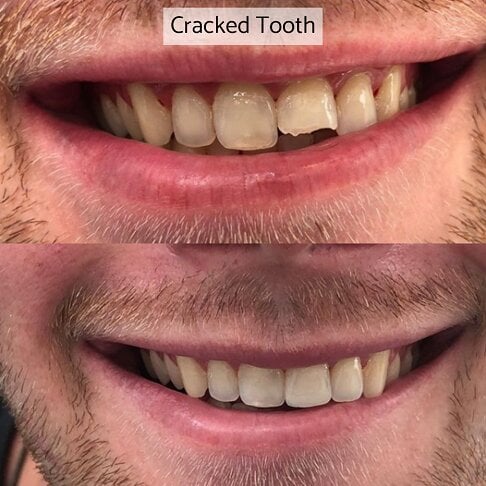
Dental bonding is often used to fix cracked teeth or teeth that are chipped. Especially if the crack or chip is on your front teeth, bonding can help build up the tooth.
Uneven Sized Teeth
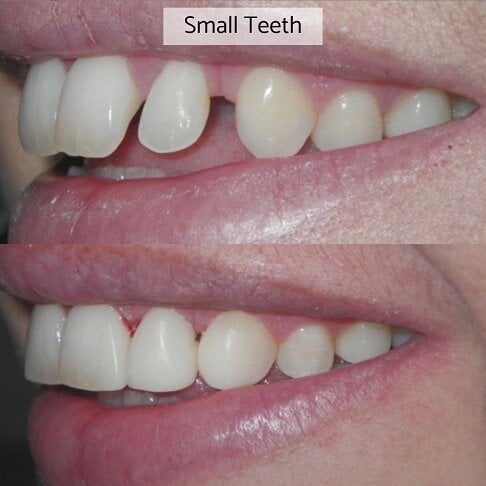
Oddly shaped teeth or unevenly sized teeth can be reshaped and resized with bonding. If you are unhappy with the shape & size of a tooth, teeth bonding can help correct it.
Worn Out Teeth
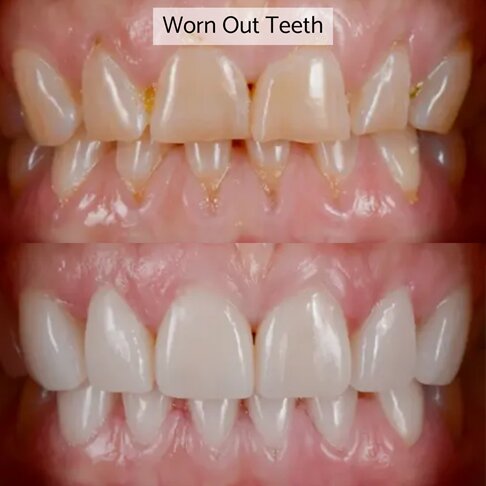
Cosmetic bonding can be used to fix worn out teeth. Teeth that are jaggered around the edges or have worn out around the edges can be fixed with bonding.
Our cosmetic dentist London can also correct other cosmetic issues such as discoloured teeth with bonding. (note: existing bonding cannot be whitened). Front teeth composite bonding is especially popular. It’s important to note that dental bonding can straighten only minorly crooked teeth. To find out when you should consider dental bonding, book a free consultation with one of our experts to see how it can help give you a perfect smile.
Who Is A Good Candidate For Composite Bonding?
Minor-Moderate Cosmetic Imperfections
Composite bonding is ideal for patients with small chips, cracks, gaps or uneven tooth shapes. It can also improve the appearance of mild discolouration that may not respond well to teeth whitening.
Healthy Teeth And Gums
The best candidates for composite bonding have healthy teeth and gums with no active decay or gum disease. A strong foundation allows the bonding material to adhere properly and helps ensure long-lasting results.
Good Bite Alignment
Patients with good bite alignment are often better suited to composite bonding, as excessive pressure from an uneven bite can increase the risk of chipping or wear. Proper alignment helps protect the bonded teeth and supports long-term durability.
Commitment To Oral Care
Candidates should be willing to maintain good oral hygiene and attend regular dental check-ups. Consistent care helps keep both the natural teeth and the composite material looking healthy and attractive.
Looking For A Conservative Cosmetic Solution
Composite bonding is a great option for people seeking a minimally invasive way to enhance their smile. Because little to no natural tooth structure is removed, it offers an effective cosmetic improvement while preserving healthy teeth.
Risks And Limitations Of Composite Bonding
Risk of chipping and fracture
Composite bonding can chip or fracture if it is exposed to excessive force, such as biting hard foods or habits like nail biting. This risk of chipping is higher in individuals with bite misalignment or a heavy bite pressure or bruxism (teeth grinding).
Staining and colour changes over time
Composite resin is more porous than other restorative materials, making it more susceptible to staining. Regular exposure to coffee, tea, red wine, and smoking can gradually affect its brightness and appearance.
Not as strong as natural enamel or porcelain
While composite bonding is effective for cosmetic improvements, it is not as strong as natural enamel or porcelain restorations. This effectively implies that bonding is more prone to damage – such as chipping or fracture in individuals who either have a misaligned bite, grind their teeth at night or have a heavy bite force.
Shorter lifespan compared to porcelain veneers
Composite bonding typically does not last as long as porcelain veneers due to differences in material strength and wear resistance. While composite may last several years, porcelain veneers are generally more durable and longer-lasting with proper care.
Ongoing maintenance requirements
Composite bonding is not a permanent solution and may require periodic maintenance or polishing to maintain its best appearance. Small repairs or replacements may be needed over time depending on wear and lifestyle habits.
How Long Does Composite Bonding Last?
Composite bonding typically lasts around 4-6 years, although some restorations remain in good condition for longer with proper care. Its lifespan depends on the amount of resin applied, the position of the treated teeth and the pressure placed on them during biting and chewing.
What Affects The Lifespan Of Composite Bonding?
Bonding on front teeth may chip or wear if you bite hard foods, grind your teeth or use your teeth to open packaging. Frequent exposure to staining drinks, smoking and inadequate oral hygiene can also affect its appearance, making regular dental check-ups and professional polishing important.
How Can You Make Composite Bonding Last Longer?
Brush twice daily with a soft-bristled toothbrush and non-abrasive fluoride toothpaste, and avoid biting hard objects with your bonded teeth. If the resin becomes chipped, rough or discoloured, visit your dentist to determine whether polishing, repair or replacement is needed.
Does Composite Bonding Damage Teeth?
Composite bonding does not usually damage healthy teeth when performed correctly. However, the procedure’s suitability depends on your existing dental health, bite alignment and whether any reshaping is required before the material is applied.
Does Composite Bonding Damage Tooth Enamel?
Composite bonding is generally a conservative cosmetic treatment because the resin can usually be applied directly to healthy teeth without removing significant amounts of enamel. Unlike some veneer treatments, it often preserves the natural tooth structure, although minor reshaping may be necessary in certain cases.
What Happens To Teeth When Bonding Is Removed?
A dentist can often remove or repair composite resin while preserving most of the underlying tooth, provided the procedure is carried out carefully. However, removal is not always completely risk-free, particularly if enamel was altered during treatment or the resin is closely bonded to the natural tooth surface.
Composite Bonding Aftercare
| What To Do | What Not To Do |
|---|---|
| Brush After Meals Where Practical: Use a soft-bristled toothbrush and non-abrasive fluoride toothpaste to remove food deposits and help prevent surface staining. | Do Not Let Staining Habits Go Unchecked: Frequent coffee, tea, red wine and strongly coloured foods can gradually discolour composite resin. |
| Rinse With Water After Staining Drinks: This helps wash away residual pigments and reduces the time coloured substances remain on bonded surfaces. | Do Not Use Abrasive Whitening Products: Charcoal powders and gritty toothpastes can scratch or dull the resin, affecting its smooth finish and shine. |
| Arrange Regular Professional Polishing: Ask your dentist or hygienist to polish the bonding with suitable materials to maintain its smoothness, gloss and appearance. | Do Not Expect Whitening Treatments To Brighten Bonding: Teeth whitening can lighten natural enamel but does not reliably change the shade of existing composite resin. |
| Use a Straw For Suitable Cold, Dark-Coloured Drinks: This can reduce direct contact between the liquid and your front teeth, helping limit staining. | Do Not Smoke Or Use Tobacco Products: Tobacco can contribute to surface staining and yellowing, making the bonding look less natural over time. |
| Attend Regular Dental Check-Ups: Have your dentist assess the bonding for staining, worn edges and minor chips so problems can be addressed early. | Do Not Skip Maintenance Appointments: A lack of professional assessment can allow surface discolouration and deterioration in appearance to go unnoticed. |
| Cut Firm Foods Into Smaller Pieces: This reduces pressure on bonded front teeth and helps preserve the shape and finish of the resin. | Do Not Bite Hard Objects: Ice, hard sweets, pen caps and fingernails can chip or fracture the bonding, requiring repair or replacement. |
Composite Bonding Vs Porcelain Veneers
| Comparison | Composite Bonding | Porcelain Veneers |
|---|---|---|
| How They Are Made | Your dentist builds up tooth-coloured resin directly on the tooth, shaping it by hand to improve its outline, proportions or colour. | Each veneer is crafted from porcelain to fit the planned tooth shape and is subsequently secured to the prepared tooth surface. |
| Visual Finish | Can blend well with surrounding teeth, but the resin may lose its original lustre and become less lifelike as the surface wears or stains. | Can reproduce the light reflection and depth of natural enamel, making it well suited to carefully planned smile makeovers. |
| Changes To Natural Teeth | The resin can often be added without drilling away healthy tooth structure, although some cases need minor reshaping. | The dentist may need to reduce the enamel so the porcelain sits neatly without making the teeth look bulky. |
| Number Of Visits | Several teeth can often be treated in one visit because the dentist shapes and finishes the resin during the appointment. | Treatment normally involves planning and tooth preparation followed by a separate fitting appointment once the veneers have been made. |
| Resistance To Damage | The resin can wear down or chip under repeated pressure, particularly if you bite your nails or grind your teeth. | Porcelain maintains its surface well during normal use, but excessive biting forces can cause cracks or fractures. |
| Expected Service Life | Often around 4–6 years before repair or renewal may be needed, depending on the size of the bonding and how well it is maintained. | Often around 10–15 years or more, provided the veneers remain intact and the teeth and gums stay healthy. |
| Keeping The Original Colour | Pigments from everyday drinks and foods can accumulate on the resin, so careful cleaning and professional polishing help preserve its appearance. | The porcelain itself is less likely to absorb surface stains, although the surrounding natural teeth and the edges of the veneers still need good care. |
| If The Restoration Gets Damaged | A small defect can frequently be corrected by adding fresh resin, without remaking the entire restoration. | A damaged veneer may need laboratory replacement, depending on the location and extent of the fracture. |
| Long-Term Commitment | Usually involves less alteration to the original teeth, making it a useful option for patients who want to preserve enamel where possible. | Once enamel has been removed, the tooth will generally need a restoration for the foreseeable future, including when the original veneer is replaced. |
| Budget Considerations | Usually has a lower initial cost and can be a practical choice for correcting a few visible imperfections. | The initial investment is generally higher, reflecting custom fabrication and the additional laboratory work involved. |
| Suitable Cosmetic Concerns | Works well for modest changes, such as rebuilding a worn corner, improving uneven edges or closing a small space between teeth. | Can be considered when several visible teeth need coordinated changes to their shape, proportions or colour as part of a wider smile design. |
Which should you choose? Composite bonding is generally suitable if you want a more affordable, minimally invasive cosmetic improvement that can be completed quickly. Porcelain veneers may be preferable if you prioritise long-term colour stability, stain resistance and a highly refined aesthetic finish. The best option depends on your enamel, gum health, bite, cosmetic goals and how much alteration your teeth require.
Composite Bonding FAQs
Does composite bonding look fake?
+Is bonding permanent?
+Can teeth gaps be closed with bonding?
+Is composite bonding worth it?
+Bonding or veneers – what should I get?
+Can you get bonding on the NHS?
+Is composite bonding painful?
+Can composite bonding fix chipped teeth?
+Does composite teeth bonding stain over time?
+How long does a composite bonding appointment take?
+Can composite bonding be whitened?
+Can smokers have composite bonding?
+Our Patient Testimonials
600+ Google five star reviews

“I had my teeth bonded by Dr Deepa .. it exceeded my expectations :)). It has restored confidence in my smile :)) and I can’t stop smiling :)) I would not hesitate to recommend her to others. 5 stars!” – patient testimonial
“I had bonding with Dr Deepa and I am delighted with the results! My smile is transformed and I’d highly recommend! Reasonably priced.” – patient testimonial
“I had my front upper and lower teeth bonded with composite veneers by Dr Deepa Chopra. It has restored confidence in my smile :)) and I can’t stop smiling:))” – patient testimonial
“I had an absolutely amazing experience with Dr. Deepa. I had teeth whitening and bonding .. my teeth look better than ever! Warmly recommend Whites Dental.” – patient testimonial
Celebrity Patients In London




Where To Find Our Composite Bonding Clinics In Central London
Whites Dental provides composite bonding treatments to patients around us in London Waterloo SE1 and London Marble Arch W2.
Our dental clinic in London Waterloo SE1 is on Blackfriars Road, just a few minutes from the City of London, London Bridge, Elephant & Castle, Borough Market, Southwark, Southbank and their surrounding areas.
Our clinic in London Marble Arch W2 is a short walk from Paddington tube station, Hyde Park Estate, Regent’s Park, Notting Hill, Edgware Road, Baker Street and Bond Street, making it ideal for busy London professionals.
As Featured In