

Porcelain veneers are often chosen to improve the appearance of teeth that are discoloured, worn, chipped, or uneven. One of the most common and clinically relevant questions patients ask is whether porcelain veneers can successfully fix teeth that already contain old fillings. This is especially important because many adults have composite or amalgam fillings placed years ago that no longer look natural, have stained edges or weaken the tooth structure.
This article explains in detail how porcelain veneers interact with teeth that have old fillings, when veneers are suitable, when they are not and how experienced cosmetic dentists plan veneer treatment in these cases.
Key Takeaway
Porcelain veneers can often fix teeth with old fillings, but success depends on the size, position, and condition of those fillings. Careful assessment, preparation and bonding are essential to achieve long-lasting, natural-looking porcelain veneer results.
Understanding Porcelain Veneers And Restored Teeth
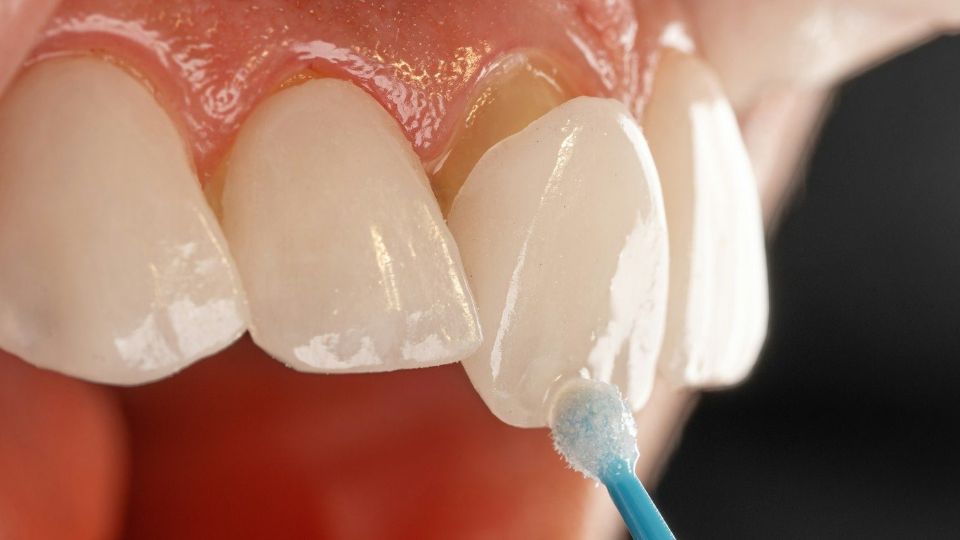
Porcelain veneers are thin, custom-made ceramic shells bonded to the front surface of teeth. They rely on strong adhesion between the porcelain, bonding resin, and the tooth’s enamel. When a tooth has an old filling, this bonding environment changes and must be carefully managed.
Old fillings may have been placed for decay, fractures or cosmetic reasons. Over time, these restorations can become stained, worn, or structurally compromised. Porcelain veneers can often mask these issues while improving the tooth’s appearance, but only if the underlying foundation is stable.
Key considerations include:
- Whether the filling is small, moderate or extensive
- Whether the filling is on the front, side, or biting surface
- The condition of the surrounding enamel
- Signs of recurrent decay under the filling
A porcelain veneer does not simply cover a filling; it becomes part of a complex restorative system that must function and last for many years.
💡 Porcelain veneers work best on teeth with old fillings when enough healthy enamel remains to support strong bonding. For best results, we advice having treatment from a porcelain veneers specialist.
Types Of Old Fillings Commonly Seen Before Porcelain Veneers
Composite Fillings And Porcelain Veneers
Composite fillings are tooth-coloured restorations commonly used in modern dentistry. While they blend well initially, they often stain, wear, or lose their polish over time. Porcelain veneers are frequently used to cover teeth with old composite fillings, especially on front teeth.
Important points include:
- Composite fillings can usually be replaced or reshaped before veneer placement
- Old composite material may need removal to improve bonding
- Porcelain veneers can provide superior colour stability compared to composite
When managed properly, porcelain veneers can dramatically improve teeth with old composite fillings.
Amalgam Fillings And Veneers
Amalgam fillings are silver-coloured metal restorations used extensively in the past. Teeth with visible amalgam fillings often show dark shadows or grey discolouration through the enamel.
Before placing porcelain veneers:
- Amalgam fillings are usually removed and replaced with tooth-coloured materials
- Underlying tooth structure is assessed for cracks or weakening.
- Additional masking techniques may be required to prevent dark show-through
Porcelain veneers can effectively restore aesthetics, but treatment planning is critical.
💡 Teeth with amalgam fillings often need additional preparation before veneers to ensure natural colour and long-term success.
How Old Fillings Affect Porcelain Veneer Bonding
The success of porcelain veneers depends heavily on bonding. Enamel provides the strongest and most predictable bond. Old fillings reduce the available enamel surface and introduce restorative materials that bond differently. Factors affecting bonding include:
- Percentage of enamel versus filling material on the tooth surface
- Quality and age of the existing filling
- Microleakage or breakdown around old fillings
- Need for replacement or reinforcement before veneer placement
Dentists often replace old fillings before placing porcelain veneers to create a clean, stable bonding surface.
💡 Replacing old fillings before veneer placement often improves longevity and reduces future complications.
When Porcelain Veneers Are Suitable For Teeth With Old Fillings
Porcelain veneers can be an excellent option when old fillings meet certain criteria. Suitable scenarios include:
- Small to moderate fillings on the front surface of the tooth
- Stable fillings with no decay underneath
- Teeth with sufficient remaining enamel around the filling.
- Cosmetic concerns such as staining, uneven colour or visible margins.
In these cases, porcelain veneers can unify colour, shape and texture across the smile.
💡 Teeth with well-maintained, conservative fillings are often ideal candidates for porcelain veneers.
When Porcelain Veneers May Not Be The Best Option
There are situations where veneers may not be recommended for teeth with old fillings. These include:
- Very large fillings covering most of the tooth
- Fillings extending onto the biting edge
- Structural cracks beneath old restorations.
- Teeth weakened by repeated dental work.
In such cases, alternative restorative approaches may be discussed, but porcelain veneers are avoided to reduce the risk of failure.
💡 Porcelain veneers require a stable foundation; heavily restored teeth may need different solutions.
Porcelain Veneers And Replacement Of Old Fillings
Before placing veneers, dentists often replace old fillings with modern materials designed to support veneers. This process may involve:
- Removing old composite or amalgam fillings.
- Treating any decay or weakened tooth structure
- Building up the tooth with adhesive materials.
- Creating a uniform surface for veneer bonding
This step is essential to ensure the porcelain veneer integrates seamlessly with the tooth.
💡 Replacing old fillings before dental veneers is a proactive step that improves strength and aesthetics.
Aesthetic Benefits Of Veneers Over Old Fillings
Old fillings often fail aesthetically long before they fail structurally. Porcelain veneers provide significant cosmetic advantages. Benefits include:
- Superior colour stability over time.
- Natural translucency that mimics enamel
- No visible filling margins
- Improved symmetry and proportion
Porcelain veneers allow dentists to redesign the smile rather than simply patching individual teeth.
💡 Porcelain veneers offer a long-term cosmetic upgrade compared to repeatedly replacing old fillings.
Longevity Of Porcelain Veneers On Teeth With Old Fillings
When properly planned, teeth veneers placed on teeth with previous fillings can last many years. Longevity depends on:
- Quality of the underlying tooth preparation
- Replacement of compromised fillings.
- Bite alignment and functional forces.
- Oral hygiene and maintenance
Patients with veneers on previously filled teeth should attend regular check-ups to monitor both the veneer and the underlying tooth.
💡 Well-planned porcelain veneers can last a decade or more, even on teeth with a history of fillings.
Porcelain Veneers And Bite Forces On Restored Teeth
Teeth with old fillings may already be structurally compromised. Porcelain veneers must be designed to withstand normal biting forces without overloading the tooth. Dentists assess:
- How the teeth come together when biting.
- Whether veneers will contact opposing teeth
- Signs of grinding or clenching
- Need for bite adjustment or protection
In some cases, protective night guards are recommended after veneer placement.
💡 Managing bite forces is essential when placing veneers on previously restored teeth.
The Porcelain Veneer Process For Teeth With Old Fillings
The veneer process often includes additional steps when old fillings are present. Typical stages include:
- Detailed examination and digital imaging
- Removal or replacement of old fillings
- Conservative enamel preparation
- Custom veneer fabrication.
- Precise bonding and bite refinement
Each step is tailored to ensure both cosmetic and functional success.
💡 Porcelain veneer treatment is highly individualised for teeth with existing restorations.
Risks And Complications To Be Aware Of
While veneers are highly successful, certain risks exist when old fillings are involved. Potential issues include:
- Debonding if bonding surfaces are inadequate.
- Chipping if the tooth is weakened
- Marginal leakage if preparation is poor
- Colour mismatch if masking is insufficient
These risks are significantly reduced when treatment is carried out by experienced cosmetic dentists.
💡 Choosing a dentist with expertise in veneers reduces complications on filled teeth.
How Whites Dental In London Can Help With Veneers
Whites Dental in London provides advanced cosmetic dentistry focused on most high-quality porcelain veneers, including complex cases involving old fillings. Each patient receives a detailed assessment to determine whether porcelain veneers are suitable and how existing restorations should be managed.
Treatment planning prioritises:
- Conservative preparation.
- Replacement of compromised fillings
- Natural aesthetics and long-term durability
Whites Dental has two clinics in London – they are located in Waterloo and Marble Arch. Book a porcelain veneer consultation with our experienced veneers team at one of our two practices.
💡 Expert assessment is essential when considering veneers for teeth with old fillings.
FAQs About Porcelain Veneers And Old Fillings
Can veneers cover stained old fillings?
Yes, porcelain veneers can mask staining from old fillings when proper preparation and colour control are used.
Do old fillings need to be removed before porcelain veneers?
Often yes. Replacing old fillings improves bonding and reduces future problems.
Can veneers bond to filling material?
They can, but bonding is strongest to enamel, which is why filling replacement is often recommended.
Will porcelain veneers last as long on filled teeth?
When planned correctly, veneers on previously filled teeth can last many years.
Are veneers better than replacing old fillings repeatedly?
In many cosmetic cases, porcelain veneers provide more stable colour and aesthetics than repeated filling replacements.
Final Thoughts
Porcelain veneers can successfully fix teeth with old fillings when treatment is carefully planned and executed. With the right expertise, they offer a durable, natural-looking solution that transforms both appearance and confidence while supporting long-term oral health.
Author

Dr Deepa Chopra
Principal Dentist & Clinic Founder
GDC registration number: 124489
Membership of the Faculty of Dental Surgery from the Royal College of Surgeons of Edinburgh
Membership of the British Dental Association
Restorative Dentistry from Tipton
Align Invisalign profile
LinkedIn profile
Areas of Expertise: 20+ Years Dentistry Experience. General Dentistry, Cosmetic Dentistry, Restorative Dentistry, Invisalign, Composite Bonding, Veneers, Root Canals, Crowns, Dentures, Gum Disease, Hygienist Services, Emergency Dental Services & Teeth Whitening.