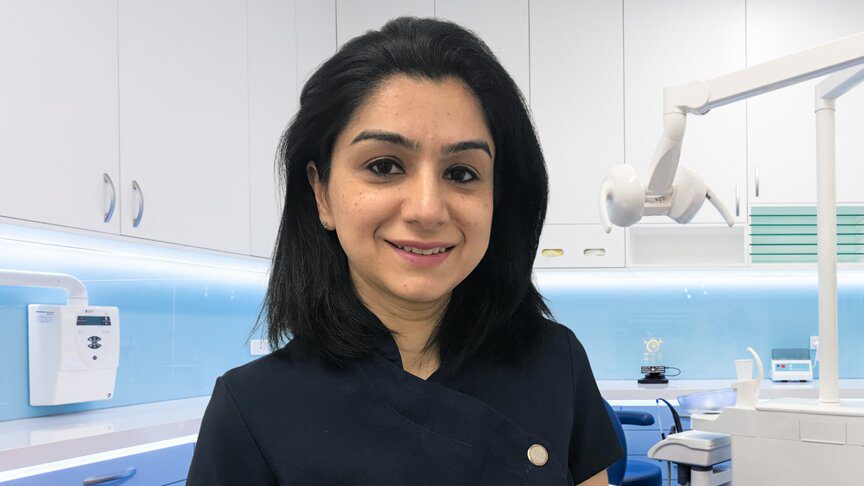


Root canal treatment is often the turning point between ongoing dental pain and long-term relief. While the procedure itself removes infection and protects the tooth, many patients still have questions about what happens afterwards. Sensitivity, soreness and healing timelines can vary and understanding what’s normal can make recovery far less stressful.
This guide explains what to expect after a root canal in clear, realistic terms. It covers normal sensations, healing stages, warning signs and how to support recovery properly, so patients feel confident and informed once they leave the dental chair.
Key Takeaway
- Mild sensitivity and tenderness are common after root canal treatment
- Discomfort usually improves steadily within days
- Proper aftercare plays a major role in healing
- Persistent or worsening pain is not normal and should be checked.
- Most patients return to normal routines quickly with minimal disruption
Why You May Feel Sensitivity After A Root Canal
Even though infected tissue has been removed, the surrounding area still needs time to settle.
What Causes Post-Treatment Sensitivity
- Inflammation in the tissues around the root.
- Minor irritation from cleaning inside the canals.
- Pressure on the ligament supporting the tooth.
- Temporary changes in bite alignment
This sensitivity is part of the body’s natural healing response rather than a sign of failure.
💡 Sensitivity that improves day by day is usually a good sign of healing.
How Long Pain Should Last After Root Canal Treatment
Pain levels vary, but the overall pattern is predictable for most patients.
Typical Pain Timeline
- First 24–48 hours: mild to moderate tenderness.
- Days 3–5: noticeable improvement.
- After one week: minimal or no discomfort
Sharp or increasing pain beyond this window is not typical and should be assessed.
💡 Pain that fades steadily is normal; pain that escalates is not.
Normal Healing Stages After A Root Canal

Healing does not happen all at once. It progresses in phases.
Early Healing Phase
- Soreness when biting
- Sensitivity to pressure.
- Slight swelling in rare cases
Mid Healing Phase
- Reduced inflammation
- Improved comfort when chewing
- Tooth begins to feel more “normal”.
Late Healing Phase
- Full tissue recovery.
- Stable bite
- No lingering symptoms
💡 Healing is gradual, not instant, even when the infection is gone.
What Is Considered Normal Discomfort
Knowing what’s normal helps reduce anxiety during recovery.
Common Sensations
- Dull ache around the treated tooth.
- Pressure sensitivity
- Mild jaw soreness from keeping the mouth open
These sensations usually respond well to over-the-counter pain relief.
💡If discomfort responds to basic pain relief, it’s usually part of normal recovery.
What Is Not Normal After A Root Canal
Certain symptoms should not be ignored.
Warning Signs To Watch For
- Severe or throbbing pain that worsens.
- Swelling that increases rather than subsides.
- Fever or general unwellness.
- Pain that returns weeks later
These signs may indicate lingering infection or another issue that needs attention.
💡 Trust your instincts—if something feels wrong, get it checked.
Eating And Chewing After Root Canal Treatment
Food choices matter during recovery.
What To Eat Initially
- Soft foods.
- Lukewarm meals.
- Easy-to-chew options
What To Avoid Temporarily
- Hard or crunchy foods.
- Sticky sweets.
- Chewing on the treated side
Once the tooth is fully restored, normal eating usually resumes without issue.
💡 Protect the tooth until the final restoration is in place.
Sensitivity To Hot And Cold After Treatment
Temperature sensitivity can occur even after the nerve has been removed.
Why Temperature Sensitivity Happens
- Nearby teeth responding to treatment
- Inflammation in surrounding tissues.
- Temporary nerve irritation in adjacent areas.
This sensitivity typically resolves as healing progresses.
💡 Persistent temperature sensitivity should fade, not intensify.
How Long Swelling Should Last
Swelling is less common but can occur.
Mild Swelling Expectations
- Usually appears within the first 48 hours
- Gradually reduces over several days
Significant or spreading swelling requires prompt review.
💡 Cold compresses can help reduce early swelling.
Managing Pain And Discomfort At Home
Simple measures can make recovery much easier.
Helpful Home Care Steps
- Take recommended pain relief as directed
- Avoid chewing on the treated side.
- Maintain gentle oral hygiene.
- Get adequate rest.
These steps support natural healing and comfort.
💡 Consistency with aftercare speeds up recovery.
The Role Of Temporary Root Canal Fillings In Healing
Some root canals in London are completed in stages.
What Temporary Fillings Do
- Protect the tooth between visits.
- Prevent bacteria from entering.
- Allow healing to begin
Temporary fillings are not designed for long-term use.
💡 Avoid biting hard foods on temporary restorations.
Why A Final Restoration Matters

A treated tooth is more vulnerable without proper restoration.
Benefits Of A Permanent Restoration
- Protects against fracture.
- Restores full chewing function.
- Seals the tooth completely
Delaying this step increases the risk of complications.
💡 Completing restoration is part of the treatment, not optional.
Can A Root Canal Tooth Feel Different Long Term
Some patients notice subtle differences.
Possible Long-Term Sensations
- Slightly different bite feel initially
- Reduced sensitivity compared to other teeth
These sensations usually fade as the mouth adjusts.
💡 Minor differences are common and usually temporary.
Returning To Work And Normal Activities After A Root Canal
Most people resume daily activities quickly.
Activity Guidelines
- Desk work often same or next day
- Strenuous exercise best avoided for 24–48 hours
- Normal routines usually resume quickly.
Listening to your body helps prevent setbacks.
💡 Rest early to recover faster overall.
Emotional Reassurance After Root Canal Treatment
Anxiety often lingers after dental procedures.
Common Emotional Concerns
- Worry about pain returning
- Fear the treatment “didn’t work”
- Uncertainty about healing progress
Education and follow-up help ease these concerns.
💡 Understanding what’s normal reduces unnecessary worry.
Long-Term Outlook After Root Canal Treatment
Root canal treatment has a strong success record.
What Supports Long-Term Success
- Good oral hygiene
- Proper restoration
- Regular dental check-ups
With care, treated teeth often last many years.
💡 Maintenance matters just as much as treatment.
How Whites Dental In London Can Support Recovery
Aftercare and follow-up are just as important as the procedure itself. Whites Dental In London focuses on patient reassurance, careful monitoring and long-term tooth protection following root canal treatment.
Patients can attend either the Waterloo or Marble Arch locations for review appointments, advice on healing, and completion of final restorations. Clear guidance and continuity of care help ensure recovery stays on track and complications are avoided.
At Whites Dental, we have a number of specialists for RCTs for our patients in London. Book an appointment with a root canal specialist for an RCT.
Frequently Asked Questions
Is Pain After A Root Canal Normal?
Yes, mild discomfort is common and usually temporary.
How Long Before I Can Chew Normally?
Once the tooth is fully restored, normal chewing usually returns.
Should I Take Antibiotics After Treatment?
Only if specifically prescribed by your root canal dentist.
Can Pain Return Months Later?
It’s uncommon but should be assessed if it happens.
Does Healing Take Longer For Some Teeth?
Yes, molars and heavily infected teeth may take longer to settle.
Final Thoughts
Understanding what to expect after a root canal makes recovery far less intimidating. Mild sensitivity and soreness are usually part of normal healing, while severe or worsening pain is not. With proper care, timely restoration, and professional follow-up, most patients recover smoothly and enjoy long-lasting relief.
Knowing the difference between normal healing and warning signs allows patients to move forward with confidence and peace of mind.
Author

Dr Deepa Chopra
Principal Dentist & Clinic Founder
GDC registration number: 124489
Membership of the Faculty of Dental Surgery from the Royal College of Surgeons of Edinburgh
Membership of the British Dental Association
Restorative Dentistry from Tipton
Align Invisalign profile
LinkedIn profile
Areas of Expertise: 20+ Years Dentistry Experience. General Dentistry, Cosmetic Dentistry, Restorative Dentistry, Invisalign, Composite Bonding, Veneers, Root Canals, Crowns, Dentures, Gum Disease, Hygienist Services, Emergency Dental Services & Teeth Whitening.