

Invisalign treatment is carefully staged in advance. Each aligner represents a small step in a digitally mapped movement plan. When trays fit correctly and teeth respond as expected, progress feels smooth and predictable.
However, some patients reach a point where something feels slightly off. An Invisalign aligner may not sit fully against a tooth. A gap may appear at the edge of a tray. Or a tooth may seem to be lagging behind.
So what happens if Invisalign isn’t working as planned?
In most cases, treatment has not failed. It simply means progress may need adjustment.
This guide explains why this can happen, how it is corrected, and when to contact your Invisalign provider.
Quick Answer: If Invisalign is not progressing as planned, the most common causes are tracking issues, reduced wear time, attachment problems or biological variation. In most cases, extending wear or ordering refinements corrects the issue.
🔑 Key Takeaways
- Most Invisalign delays are due to tracking or wear-time issues
- Mid-treatment bite changes are often temporary
- Attachments play a key role in controlled movement
- Refinements are common and planned
- Early review prevents extended delays

🧭 Jump to:
What does it mean if Invisalign isn’t working?
Patients often use this phrase when:
- An aligner no longer fits snugly
- A visible air gap appears at the edge of a tray
- A tooth seems to stop moving
- The bite feels uneven
In most cases, this indicates a tracking variation rather than treatment failure.
How do you know if Invisalign is working?
Invisalign is usually working when trays seat fully, pressure feels manageable after tray changes, attachments engage properly, and visible gaps reduce during each wear cycle.
Progress is not always obvious day to day. Some teeth move earlier than others, and some stages focus on small changes that are difficult to see in the mirror.
Why Can Invisalign Fall Behind Schedule?
Clear aligner treatment relies on precision and consistency. Each stage assumes the previous movement has completed correctly. When one element falls slightly behind, later Invisalign trays may not seat perfectly.
The most common reasons include:
1. Reduced wear time
Invisalign aligners are designed for 20–22 hours of daily wear. Even small daily reductions can slow movement.
2. Advancing Invisalign trays too quickly
Moving to the next tray before the previous stage is complete may create staging discrepancies.
3. Attachment issues
Attachments help control rotation and movement precision. If one detaches, movement may slow.
4. Biological variation
Teeth respond differently to orthodontic force. Some move faster, others require extended staging.
What if one tooth is not moving with Invisalign?
Sometimes one tooth can lag behind while the rest of the aligner still fits reasonably well. This is more common with rotated teeth, crowded teeth, or teeth that need more complex movement.
A single tooth not moving does not usually mean Invisalign has failed, but it should be checked before you continue advancing through trays.
Why Does My Bite Feel Worse Halfway Through Invisalign Treatment?
Orthodontic treatment often moves teeth in sequence.
Front teeth may align before back teeth settle. Temporary changes in contact points can occur while movement is ongoing.
This does not mean the final bite will be unstable.
Final trays and refinements are designed to stabilise occlusion.
How Is Invisalign Corrected If It Falls Behind?
Most issues are manageable.
Common solutions include:
- Extending wear of the current tray
- Replacing detached attachments
- Using chewies to improve seating
- Ordering refinement aligners
Refinements are a normal part of aligner therapy.
Learn more here: What Are Invisalign Refinements?.
What if the first aligner set does not work perfectly?
If the first set of aligners does not achieve every planned movement, your dentist may take a new scan and order refinement aligners.
This is a normal part of Invisalign treatment. Refinements are used to fine-tune tooth positions, improve tracking, and complete movements that did not fully resolve in the first stage.
How Do Dentists Monitor Invisalign Progress?
Structured review appointments are built into aligner treatment to identify small discrepancies early.
During a progress review, your dentist will assess:
- Aligner seating and edge adaptation
- Attachment engagement
- Tooth movement relative to the digital plan
- Bite balance and occlusion
If movement is not progressing as expected, digital rescans may be taken and updated trays issued.
This monitoring process is one reason supervised Invisalign treatment remains predictable.
When Should You Contact Your Invisalign Dentist?
Arrange a review with your Invisalign dentist if:
- Gaps persist beyond several days
- A tray rocks when biting
- An attachment has detached
- Movement appears stalled across multiple stages
Early review helps maintain predictable progress.
What Happens If Tracking Issues Are Ignored?
If minor discrepancies are not addressed, later aligners may fit less accurately. Over multiple stages, this can result in:
- Increased discomfort when changing trays
- Persistent gaps at tray edges
- Extended overall treatment time
- Greater reliance on refinements
Most delays remain manageable, but early intervention is always more efficient than waiting.
How Much Can Invisalign Delays Affect Treatment Time?
Minor tracking discrepancies often add only a short extension – sometimes one to two additional weeks of wear. More significant staging issues may require refinement trays, which can extend treatment by several months depending on case complexity.
The exact impact varies between patients. The key factor is how quickly the issue is identified and corrected.
Temporary Disruption Vs Permanent Problems With Invisalign
It is important to distinguish between temporary staging variation and long-term treatment failure.
Most Invisalign delays are transitional.
An Invisalign tray may not seat perfectly. A tooth may lag slightly. A bite may feel uneven. When monitored and corrected, these variations do not compromise the final outcome.
Permanent problems are rare when treatment is supervised properly and refinements are completed before retainers are issued.
Does case complexity affect Invisalign progress?
Some movements are biologically more demanding than others.
Rotations, bite correction and significant crowding require more controlled force and sometimes additional staging. In more complex cases, minor delays are not unusual and refinements are commonly built into the treatment plan. This does not indicate failure. It reflects the precision required for advanced orthodontic movement.
FAQs: Invisalign Not Working As Planned
Patients often become concerned when aligners feel different from one stage to the next. Understanding what is normal during staged tooth movement helps reduce unnecessary anxiety.
Does needing refinements mean Invisalign failed?
No. Refinements are common and part of staged treatment.
Should I move to the next Invisalign tray if one doesn’t fit properly?
Consult your provider before advancing.
Can Invisalign stop working completely?
Movement may slow temporarily, but structured correction usually restores progress.
Is mid-treatment unevenness normal?
Temporary asymmetry can occur during staged movement.
How long should an Invisalign aligner feel tight?
Mild pressure during the first 24–48 hours is expected. Persistent looseness or visible gaps after several days may need review.
Can I fix Invisalign tracking myself?
Chewies may help improve seating, but attachment or staging issues require professional assessment.
Does needing refinements mean my case was poorly planned?
Not necessarily. Refinements are common in aligner therapy and allow precise finishing adjustments.
How do I know if Invisalign is working?
Invisalign is usually working if your trays fit closely, attachments engage properly, and gaps reduce as each tray is worn. Progress may still be gradual and difficult to see day to day.
What if one tooth is not moving with Invisalign?
One tooth can sometimes lag behind the plan. Your dentist may recommend longer wear, chewies, checking attachments, or refinement aligners.
What if my first Invisalign set does not work perfectly?
A new scan and refinement aligners may be used to finish movements that were not completed in the first set. This is common and does not automatically mean treatment has failed.
Does an air gap mean Invisalign is not working?
Not always. A small air gap can happen early in a new tray. A persistent gap that does not improve after a few days should be reviewed.
Concerned About Invisalign Progress?
If your aligners do not feel as expected, early review is advisable. At Whites Dental in Central London, Invisalign treatment includes structured digital planning and regular monitoring.
- ✅ Detailed 3D planning
- ✅ Structured review appointments
- ✅ Clear refinement policy
- ✅ Transparent Invisalign pricing
- ✅ 0% finance options available
Author

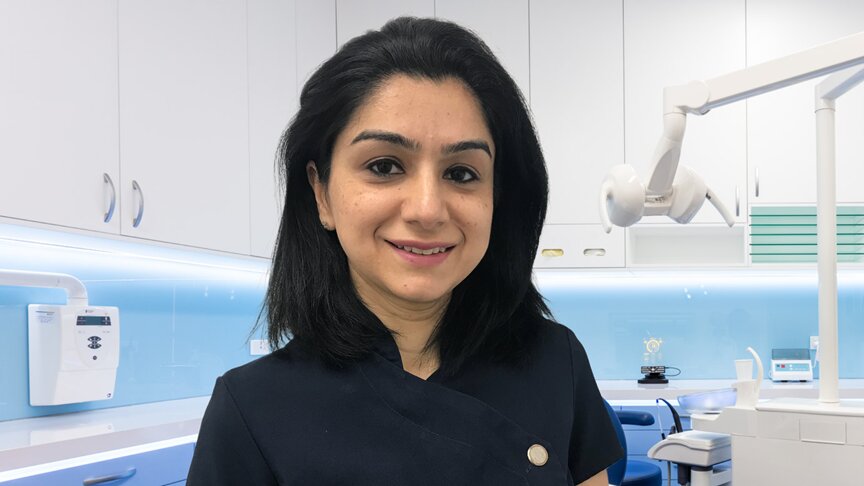
Dr Deepa Chopra
Principal Dentist & Clinic Founder
GDC registration number: 124489
Membership of the Faculty of Dental Surgery from the Royal College of Surgeons of Edinburgh
Membership of the British Dental Association
Restorative Dentistry from Tipton
Align Invisalign profile
LinkedIn profile
Areas of Expertise: 20+ Years Dentistry Experience. General Dentistry, Cosmetic Dentistry, Restorative Dentistry, Invisalign, Composite Bonding, Veneers, Root Canals, Crowns, Dentures, Gum Disease, Hygienist Services, Emergency Dental Services & Teeth Whitening.