

If you’re researching clear aligner treatment, you’ve probably come across two well-known names: Invisalign and ClearCorrect. Both systems use transparent, removable aligners to straighten teeth discreetly. Both are popular with adults. And both aim to offer an alternative to traditional braces.
So what’s the real difference?
While they appear similar on the surface, there are important distinctions in material technology, treatment planning, global track record and clinical flexibility.
This guide explains how Invisalign compares with ClearCorrect – and what to consider when choosing aligner treatment in London.
Quick Answer: ClearCorrect and Invisalign are both clear aligner systems used to straighten teeth discreetly. ClearCorrect can work well for mild to moderate cases, while Invisalign has a longer global track record, SmartTrack material and broader case-planning tools for more complex tooth movement or bite correction.
🔑 Key Takeaways
- Both Invisalign and ClearCorrect use removable clear aligners
- Invisalign has a longer track record and proprietary material technology
- ClearCorrect may be suitable for simpler cases
- Treatment success depends heavily on clinician planning
🧭 Jump to:
What is Invisalign?
Invisalign treatment in London is one of the most widely recognised clear aligner systems in the world.
It uses a proprietary material called SmartTrack, designed to apply consistent and controlled force to teeth. Invisalign also uses advanced 3D digital planning software to simulate treatment before it begins.
It can treat:
- Mild crowding
- Rotations
- Spacing
- Bite issues (overbite, crossbite, open bite)
- More complex orthodontic cases
Invisalign has been used in millions of cases globally.
What is ClearCorrect?
ClearCorrect is another clear aligner system that uses custom-made trays to gradually reposition teeth.
Like Invisalign, it is removable and discreet. It is often marketed as a cost-conscious alternative and may be suitable for mild to moderate alignment cases.
However, its material and treatment planning systems differ from Invisalign’s proprietary technology.
Is ClearCorrect as good as Invisalign?
ClearCorrect can be a good aligner system for suitable cases, especially mild to moderate alignment concerns. Invisalign may be preferred where treatment involves more complex movements, bite correction, significant rotations or detailed refinement planning.
The bigger factor is not only the aligner brand, but how accurately the case is assessed and planned. A mild case may respond well to either system, while a complex case needs careful clinician-led planning regardless of brand.
Key Differences Between Invisalign and ClearCorrect
Although Invisalign and ClearCorrect share the same basic concept – clear, removable aligners – their clinical systems differ in important ways. The comparison below highlights how they vary in track record, material technology, and case capability.
| Feature | Invisalign | ClearCorrect |
|---|---|---|
| Track Record | Millions of cases globally | Growing but smaller market share |
| Material | SmartTrack proprietary material | Clear aligner material developed for the ClearCorrect system |
| Complex Cases | Wide range including bite correction | Often best for mild to moderate cases |
| Digital Planning | Advanced ClinCheck simulation | Digital planning available |
| Best suited to | Mild, moderate and many complex cases, including selected bite corrections | Often suitable for mild to moderate alignment concerns |
While these differences are helpful to understand, the suitability of each system ultimately depends on the complexity of your case and the experience of the clinician planning your treatment.
Which Is Better: Invisalign or ClearCorrect?
There isn’t a universal answer.
For simple alignment concerns, both systems may produce good cosmetic results.
For more complex movements – including significant rotation, canine correction, or bite imbalance – Invisalign’s material and planning software may offer greater predictability.
Importantly, treatment outcome depends heavily on the experience of the clinician planning your case.
Cost Differences
ClearCorrect is sometimes marketed as slightly more affordable. However, overall cost depends on:
- Case complexity
- Length of treatment
- Refinement stages
- Provider experience
For a full breakdown, see our Invisalign cost guide.
ClearCorrect vs Invisalign cost
ClearCorrect is sometimes positioned as a lower-cost aligner option, but the final price depends on the case, number of aligners, appointment structure, refinements and provider fees.
For simple cases, the price difference may be more noticeable. For more complex treatment, cost can become closer because additional planning, monitoring or refinements may be needed.
Comfort and Wear
Both systems require 20–22 hours of daily wear.
Patients often report that Invisalign’s SmartTrack material feels slightly more flexible and comfortable during aligner changes, though experiences vary.
Is Invisalign more suitable for complex cases?
In many situations, yes.
Invisalign has been extensively developed to manage:
- Deep bites
- Crossbites
- Open bites
- Rotated canines
- Significant crowding
If you’re unsure about your specific concern, see:
Clinician Insight: “The brand of aligner matters, but planning matters more. A well-planned Invisalign case can address complex movements predictably, provided the patient wears aligners consistently.”
ClearCorrect vs Invisalign for mild, moderate and severe cases
For mild cosmetic alignment, both systems may be suitable.
For moderate cases involving crowding, spacing or rotations, suitability depends on the movement required and the clinician’s plan.
For severe cases involving bite correction, impacted teeth, major rotations or complex root movement, Invisalign is often the more established option, although a clinical assessment is needed before deciding.
Does aligner material make a difference?
Invisalign uses a proprietary material called SmartTrack, designed to provide consistent and controlled force throughout each aligner stage.
ClearCorrect uses a different clear aligner plastic. While both systems are effective, material flexibility and force consistency can influence how precisely teeth respond to movement – particularly in more complex cases.
For mild cosmetic alignment, this difference may be less noticeable. In cases involving rotation, root control, or bite correction, material performance can play a greater role.
FAQs: Invisalign vs ClearCorrect
When comparing Invisalign and ClearCorrect, most patients want clarity on real-world differences rather than marketing claims. Questions often centre on cost, complexity, comfort, and whether one system performs better in specific situations.
Below are the most common questions adults ask when deciding between aligner systems.
What is the main difference between Invisalign and ClearCorrect?
The main differences are material, planning systems, clinical track record and case capability. Both use clear removable aligners, but Invisalign has a longer history and wider use for complex movements.
Is ClearCorrect as good as Invisalign?
ClearCorrect can be effective for suitable mild to moderate cases. Invisalign may offer more flexibility for complex cases, bite correction or detailed refinement planning. The best choice depends on your teeth, bite and treatment goals.
Are ClearCorrect reviews useful when choosing treatment?
Reviews can help you understand patient experience, but they should not be the only factor. Case complexity, clinician experience, treatment planning and follow-up support usually matter more than brand reviews alone.
Is ClearCorrect the same as Invisalign?
No. Both use clear aligners, but they differ in material technology, planning software, and track record.
Is ClearCorrect cheaper than Invisalign?
It can be in some cases, but overall treatment cost depends on complexity rather than brand alone.
Does Invisalign work faster?
Treatment time depends on case complexity and compliance, not just the brand of aligner.
Can both systems fix bite problems?
Invisalign has a longer track record for managing complex bite cases. ClearCorrect may be more limited depending on severity.
Does the dentist matter more than the brand?
Yes. Treatment outcome depends heavily on case planning, attachment placement and staging decisions. An experienced provider can often achieve better results with advanced planning than brand choice alone would suggest.
Which aligner system is better for complex bite problems?
Invisalign has a longer track record managing complex cases such as deep bites, crossbites, and open bites. If your case involves bite correction, see our guide to how Invisalign improves bite alignment.
Are refinements included with both systems?
Refinement stages depend on the provider and treatment plan. Invisalign comprehensive plans often include refinement trays where needed to fine-tune results.
Do both systems use attachments?
Yes. Both Invisalign and ClearCorrect can use attachments to improve movement control. Learn more about how Invisalign attachments work.
Considering Clear Aligners in London?
If you’re comparing Invisalign and ClearCorrect, the best next step is a clinical assessment to determine suitability and complexity.
Ask one of our clinical team for a free Invisalign consultation at one of our practices in London.
We have two Invisalign practices in Central London.
Visit our Central London clinics:
- Waterloo – near Southwark & Blackfriars
- Marble Arch – near Paddington & Edgware Road
Your consultation includes:
- 3D digital scan
- Movement simulation
- Clear explanation of suitability
- Personalised cost breakdown
- ✅ Experienced Invisalign providers
- ✅ Thousands of aligner cases completed
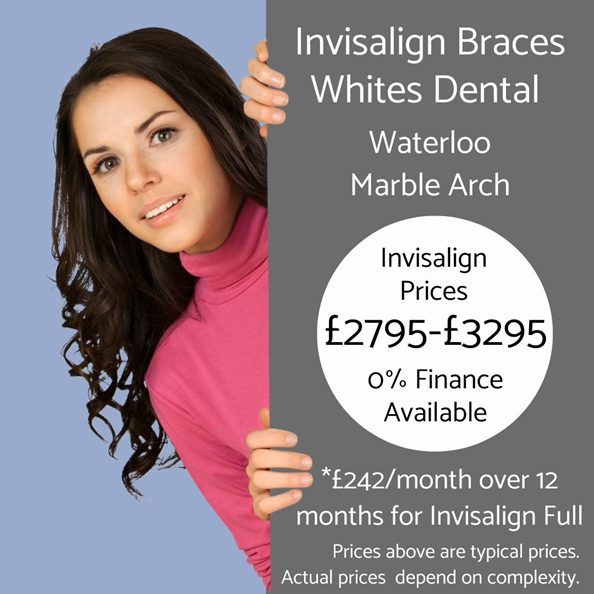
- ✅ 0% finance options available
- ✅ Transparent Invisalign costs
If you’d like clarity on which aligner system is right for you – we’re here to help.
Author

Dr Deepa Chopra
Principal Dentist & Clinic Founder
GDC registration number: 124489
Membership of the Faculty of Dental Surgery from the Royal College of Surgeons of Edinburgh
Membership of the British Dental Association
Restorative Dentistry from Tipton
Align Invisalign profile
LinkedIn profile
Areas of Expertise: 20+ Years Dentistry Experience. General Dentistry, Cosmetic Dentistry, Restorative Dentistry, Invisalign, Composite Bonding, Veneers, Root Canals, Crowns, Dentures, Gum Disease, Hygienist Services, Emergency Dental Services & Teeth Whitening.