Dental Tooth Crowns - White Ceramic, Zirconia & Emax Crowns
Restore your tooth with a dental tooth crown. Choose between white ceramic, zirconia, porcelain bonded and Gold crowns.
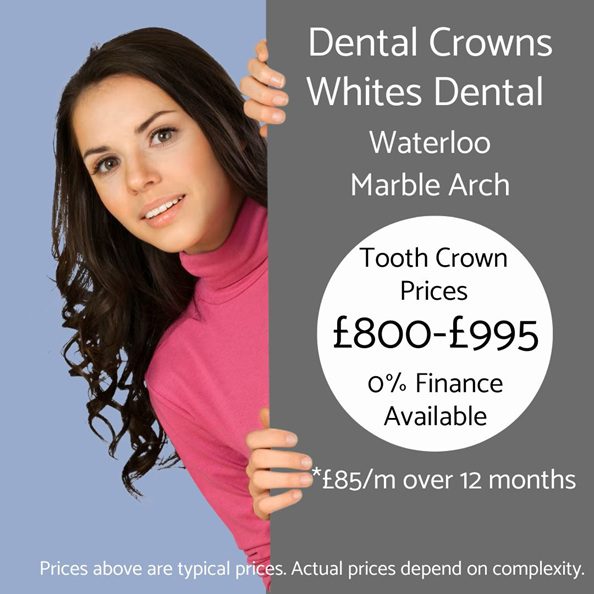
White Dental Crowns In London - £800-£995 Typically


Types Of Dental Tooth Crowns We Offer
Ceramic Emax Crowns
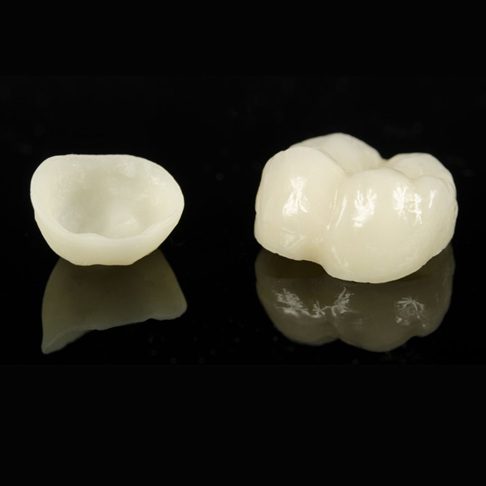
Ceramic Emax crowns are the best choice for good aesthetically pleasing results. Ideal for visible front front teeth where aesthetics are essential. Excellent natural looking finish. Include the highly popular Emax white tooth crowns.
Zirconia Tooth Crowns
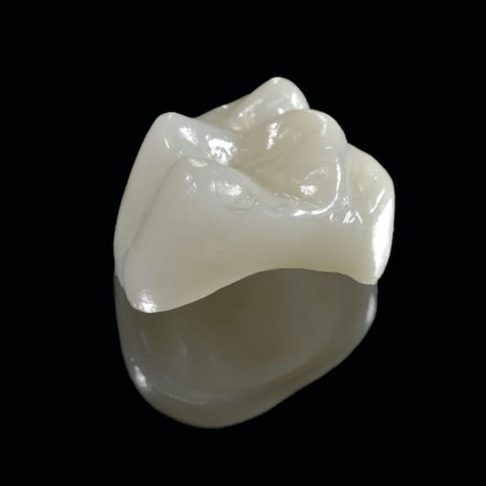
Highly aesthetic, metal-free & suitable for patients with metal sensitivities. Zirconia crowns are best suited for your back molar teeth, where primary function is to chew. Not as aesthetically pleasing as ceramic ones, but white coloured and natural looking.
Porcelain Bonded
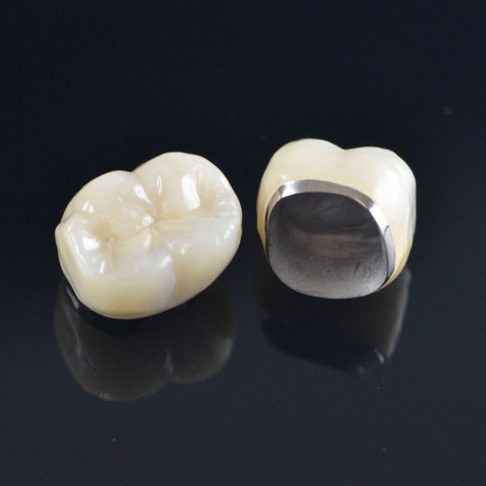
These have a metal core, with porcelain bonded to the outside surface. Strong and durable with a natural look. The porcelain layer can crack sometimes. Zirconia crowns are therefore more popular than these lately.
Gold Crowns
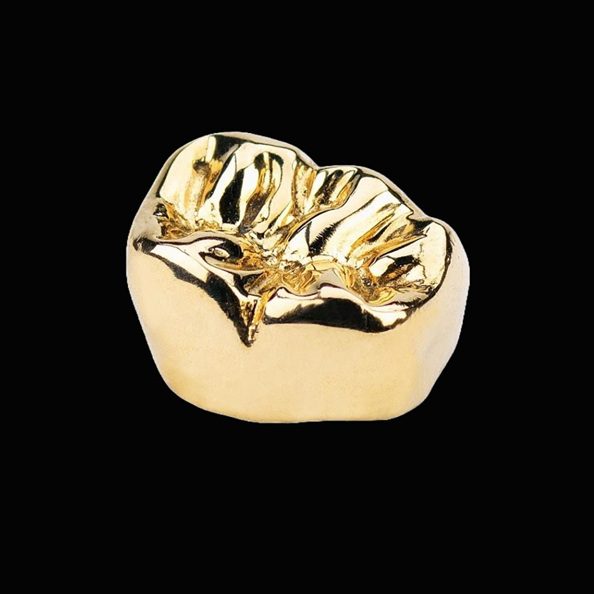
Gold crowns are the strongest available on the market. Extremely durable and often recommended for back teeth under high biting pressure. Most expensive and least aesthetically pleasing.
Find out more about types of dental crowns.

Send Us An Enquiry
At Whites Dental, are are pleased to have some of London’s most experienced private dentists providing tooth dental crowns to patient’s to strengthen and restore a tooth. Dr Deepa and Dr Edina have both very experienced with dental crowns, with over 3 years of clinical experience between them. Book a check-up appointment for a dental crown at one of our two clinics in Central London –
Dentist near London Bridge SE1 – get a natural looking dental crown at our London Waterloo clinic. Our clinic is located on Blackfriars Road, a quick walk or a short car drive from the City Of London, London Bridge Southwark and Elephant and Castle. South Bank and Tate Modern and minutes on foot from us.
Dentist near Paddington W2 – see our dentists at our Marble Arch dental clinic for a dental crown. We are located walking distance from London Paddington Rail Station, Edgware Road, Bayswater, Maida Vale and Bayswater. Notting Hill & Oxford Street are in close vicinity to us.
Private Dental Tooth Crowns Cost
0% finance available for crowns
At Whites Dental, the cost of a dental tooth crown is surprisingly affordable. We note our typical private dental crown prices below.
|
Dental Examination |
£65 |
|
Porcelain bonded - basic |
from £695 |
|
Porcelain bonded - standard |
from £800 |
|
Ceramic crown |
from £850 |
|
Zirconia crown |
from £850 |
|
Emax crown |
from £850 |
|
Gold crowns |
from £1,195 |
Dental Crown Procedure At Whites Dental

Dental Consultation & Assessment
Our dentists will start with an assessment of your tooth, followed by a conversation to understand your goals. Based on that and clinical needs, our dentist will advice various crown options available to you.

Tooth Reshaping & Crown Preparation
Once you have agreed the type of crown with the dentist, the dentist will then file and shape your tooth to create space for the crown to sit on top of your natural tooth. They will prepare the tooth so the tooth is then ready to have the crown fitted.
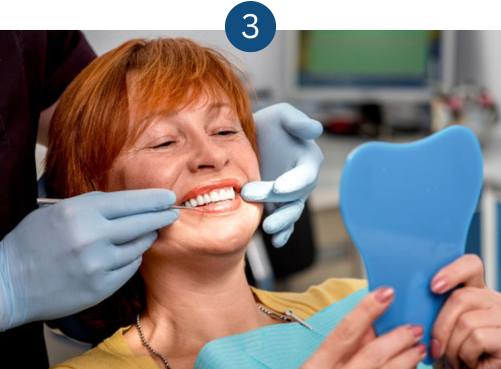
Impressions & Temporary Crown
Once this is done, we will take impressions/scans of your teeth to allow the dental laboratory to create a crown that fits perfectly on your reshaped tooth. The dentist will also give you a temporary crown till your permanent crown is received.
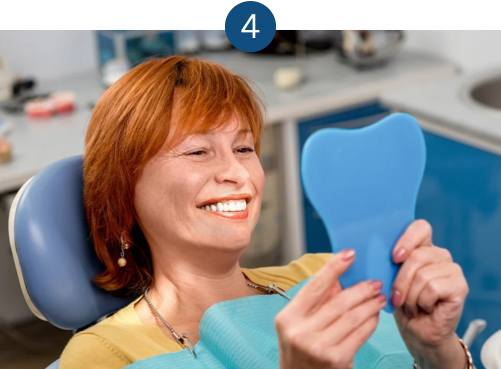
Permanent Crown Fitting & Bonding
Our dental lab will then create your bespoke crown. The dentist will then fit the crown on your tooth to ensure an exact fit and shade match to your natural tooth. The crown is then permanently bonded, polished and adjusted for comfort.
Why Get A Dental Crown?
Restore strength, function & appearance of your natural tooth with a private crown
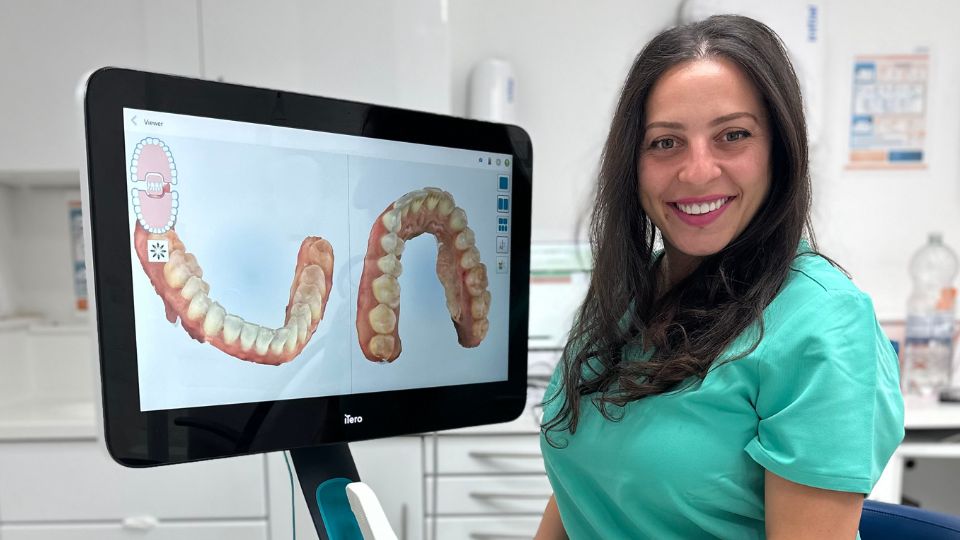
Dental tooth crowns are used to strength and restore a tooth that has been weakened in some way – usually due to a large decay or a root canal treatment. If you need a crown, visit one of our highly experienced dentists in London.
Strength & protection a tooth – Crowns shield weakened teeth, preventing further cracking or damage.
Long term durability – High-quality crowns can last many years with proper care.
Natural appearance – Modern ceramic and porcelain crowns are colour-matched for a seamless finish.
Restored tooth function – Eat, speak and smile confidently without discomfort.
Signs You May Need A Dental Crown
Cracked Or Broken Teeth
A crown can hold a cracked or broken tooth together, reducing the risk of the damage spreading further during everyday biting and chewing. Covering the entire tooth also restores its strength and improves its appearance.
Large Fillings That Need Support
Teeth with large fillings often have less healthy tooth structure remaining, making them more prone to fractures over time. A dental crown reinforces the tooth by providing full coverage and long-term protection.
Root Canal Treated Teeth
After root canal treatment, a tooth can become more brittle because it no longer has its original blood and nerve supply. A crown helps strengthen the tooth and significantly reduces the risk of it cracking under pressure.
Worn Down Teeth
Teeth can become worn due to grinding, acid erosion, or years of normal use, affecting both function and appearance. A dental crown restores the tooth’s original shape, height, and strength, making chewing more comfortable.
Broken Cusps
A broken cusp can weaken the overall structure of a tooth and make it painful to bite down. A dental crown covers and protects the damaged tooth, preventing further breakage while restoring full function.
Which Dental Crown Is Right For You?
Best Crowns For Front Teeth
Porcelain and E-max crowns are often the preferred choice for front teeth because they closely replicate the colour, translucency, and light-reflecting properties of natural enamel. They provide excellent aesthetics while remaining strong enough for normal biting and chewing.
Best Crowns For Back Teeth
Back teeth are exposed to greater chewing forces, making zirconia and metal crowns excellent options due to their exceptional strength and durability. These materials are designed to withstand daily wear while restoring full function to heavily used molars.
Most Natural Looking Crowns
E-max and high-quality porcelain crowns offer the most lifelike appearance, blending seamlessly with your surrounding natural teeth. Their ability to mimic natural enamel makes them a popular choice for patients seeking the most aesthetic smile.
Strongest Dental Crown Material
Zirconia is widely regarded as one of the strongest dental crown materials available, offering outstanding resistance to fractures and wear. It is particularly suitable for patients who grind their teeth or require crowns on heavily loaded back teeth.
Longest Lasting Crown Options
With excellent oral hygiene and regular dental check-ups, zirconia, gold, and well-made porcelain crowns can often last 10 to 15 years or longer. The lifespan of a crown also depends on factors such as bite forces, oral habits, and ongoing dental care.
Emax Crowns - Are They The Best Crowns?
Emax crowns are all-ceramic dental crowns made from lithium disilicate, a strong and highly aesthetic material. They are popular because they closely replicate the colour, translucency, and light reflection of natural teeth, making them ideal for visible areas of the smile. Emax crowns are metal-free, which helps prevent gum discolouration and reduces the risk of allergic reactions. Despite their natural appearance, they are also durable and suitable for many biting forces. Their combination of strength, minimal tooth preparation, and excellent cosmetic results makes them a preferred choice for modern restorative dentistry.
Emax Crowns Vs Zirconia Crowns
Emax Crowns – Best For Front Teeth
Emax crowns are made from lithium disilicate ceramic and are widely chosen for their superior aesthetics. They closely mimic the translucency and colour of natural teeth, making them ideal for front teeth and highly visible areas of the smile. Emax crowns are metal-free, biocompatible, and require less tooth removal compared to some traditional crowns. While they are strong enough for many biting forces, they are best suited for patients without heavy grinding habits or extreme bite pressure.
Zirconia Crowns – Best For Back Teeth
Zirconia crowns are well known for their durable nature and also for their exceptional strength. Made from zirconium dioxide, they can withstand significant biting and chewing forces, making them ideal for back teeth and patients who clench or grind their teeth. Modern zirconia crowns have improved in appearance and can look very natural, though they are generally less translucent than Emax. Zirconia is also metal-free and highly biocompatible, offering long-lasting performance in demanding areas of the mouth.
Why Get A Gold Crown?
Gold crowns are exceptionally durable and often used for back teeth
Gold crowns are chosen for their exceptional durability, precision fit and long-term reliability. Gold is gentle on opposing teeth, highly resistant to wear, and unlikely to chip or fracture, making it ideal for back teeth that handle heavy chewing forces. Because gold crowns require minimal tooth removal, they help preserve natural tooth structure. They are also biocompatible, meaning they rarely cause allergic reactions or gum irritation. Although less cosmetic than tooth-coloured options, gold crowns often last longer than other materials, making them a practical choice for strength-focused restorations.
What Are Dental Crowns?
A dental crown for your tooth (sometimes called a “tooth cap”) is a custom-made restoration that covers the entire visible surface of a tooth. Crowns are used to protect weak or broken teeth, restore worn-down teeth, replace large fillings or improve the appearance of misshapen or discoloured teeth.
Looking After Your Dental Crown
Daily Cleaning
Brush twice a day with fluoride toothpaste and clean between your teeth daily using floss or interdental brushes to remove plaque around the crown. Paying particular attention to the gum line helps reduce the risk of decay and gum disease affecting the supporting tooth.
Foods To Avoid
Avoid biting directly into very hard foods such as ice, hard sweets, or unpopped popcorn kernels, as these can damage both natural teeth and crowns. Limiting sticky foods can also reduce the chance of placing excessive stress on the crown or the dental cement holding it in place.
Night Guards For Teeth Grinding
If you grind or clench your teeth while sleeping, your dentist may recommend a custom-masde night guard to protect your crown from excessive pressure. Wearing a night guard regularly can help prevent chipping, cracking, and premature wear of both your crowns and natural teeth.
Regular Dental Check-Ups
Routine dental examinations allow your dentist to monitor the condition of your crown and identify any problems before they become more serious. Professional cleanings also help keep the surrounding teeth and gums healthy, supporting the long-term success of your dental crown.
Dental Crown Problems & Solutions
Loose Crown
A crown may become loose if the dental cement weakens over time or if decay develops underneath the restoration. Your dentist can assess whether the crown can be re-cemented or if a replacement is required to restore a secure fit.
Crown Pain
Mild sensitivity after a crown is fitted is common and usually settles within a few days as the tooth adjusts. Persistent pain may indicate an issue with the bite, underlying tooth, or surrounding tissues and should be assessed by your dentist.
Crown Falls Off
If your crown falls off, keep it safe and contact your dentist as soon as possible for an appointment. Avoid chewing on the affected tooth until it has been reattached or replaced to prevent further damage.
Dark Line Around Crown
A dark line near the gum line can sometimes appear with older porcelain-fused-to-metal crowns as the metal substructure becomes visible. Replacing the restoration with an all-ceramic or zirconia crown can provide a more natural-looking result if aesthetics are a concern.
Benefits Of Tooth Dental Crowns At Whites Dental
✔️ Advanced technology for accurate fit and natural results
✔️ Choice of crown materials tailored to your needs and budget
✔️ Gentle, patient-focused care in central London locations
✔️ Same-day appointments where possible
Tooth Dental Crowns - Frequently Asked Questions
How long do tooth dental crowns last?
+Does getting a tooth crown hurt?
+Can a tooth crown improve the appearance of my smile?
+How many visits do I need for making a crown?
+How long does a tooth crown procedure take?
+Can you eat normally with a dental crown?
+Can a tooth crown get cavities?
+Can a crown fall off?
+Finding Our Dental Clinics In London
Waterloo Clinic In SE1
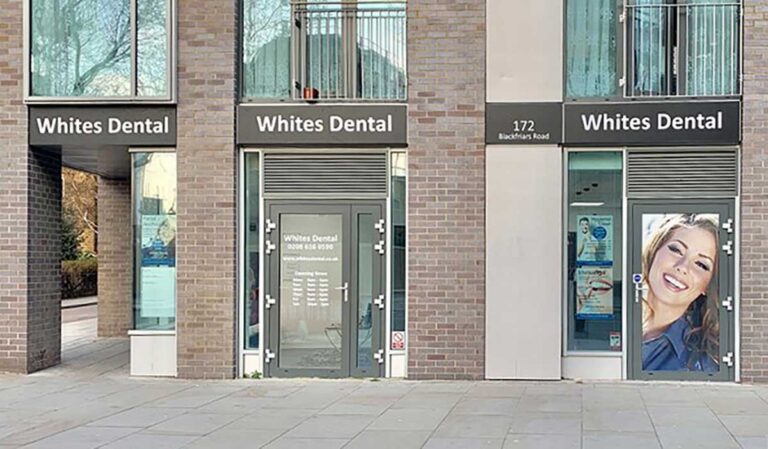
Whites Dental Waterloo
172 Blackfriars Rd, London SE1 8ER
020 8616 0590
Visit our dentist clinic in Waterloo SE1 for making a dental crown appointment.
Marble Arch Clinic In W2
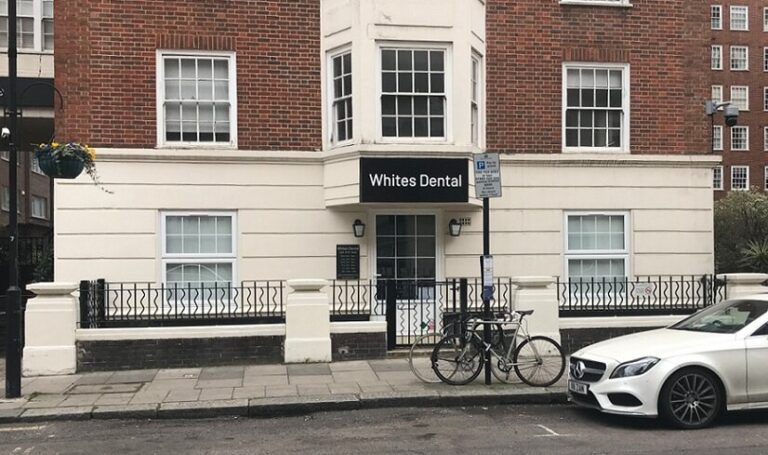
Whites Dental Marble Arch (W2)
52B Kendal St, St George’s Fields, London W2 2BP
020 3576 2325
Visit our dentist clinic in Marble Arch W2 for booking an appointment for a tooth crown.