
Dental Tooth Fillings For Tooth Decay Treatment
Restore tooth decay with a tooth filling - book an appointment with our dentist.
Dental Fillings In London


Why Have A Tooth Filling?
Treat tooth decay
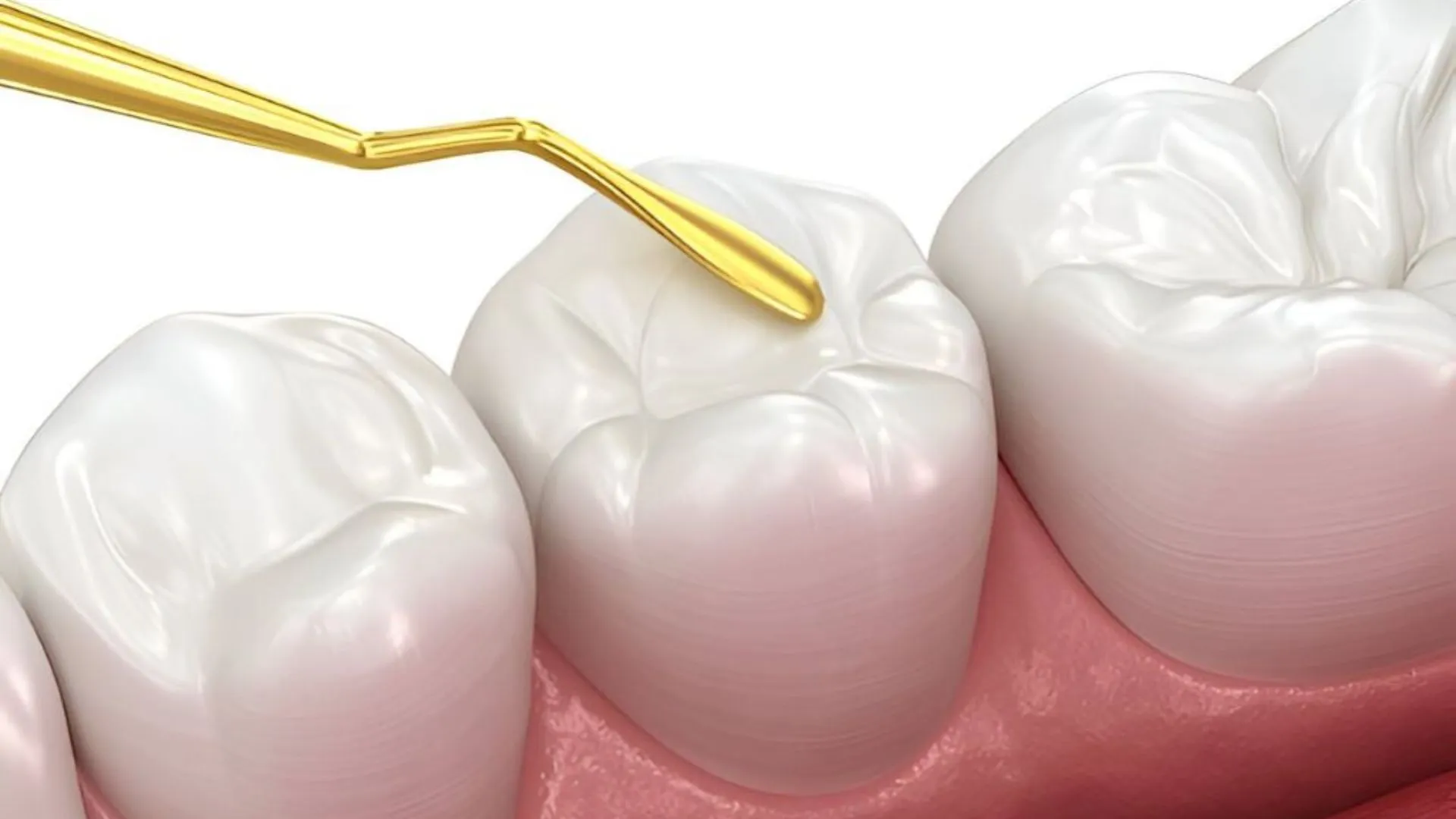
Dental tooth fillings are commonly used to treat tooth decay.
Restore decayed teeth – fillings repair cavities caused by tooth decay, stopping the spread of bacteria and preventing further structural damage. They restore the tooth’s function so you can chew comfortably again.
Prevent future problems – tooth fillings stop bacteria from spreading and causing infections or abscesses. Early treatment with a filling can prevent more complex procedures later, like root canals or crowns.
Restore appearance – tooth-coloured filling materials can be matched to the surrounding tooth, helping repaired areas blend more naturally with the rest of the smile.
At Whites Dental, we have some of London’s most experienced dentists provide tooth fillings to our patients to treat tooth decay. Dr Deepa has 20+ years of clinical experience with all types of tooth fillings. Book an appointment with her for a dental filling. We have two private dentist clinics in London –
Waterloo SE1 dentist clinic near London Bridge – the clinic is located in Waterloo on Blackfriars Road, 10-15 mins by foot from London Bridge, London Eye, Southwark, Elephant And Castle and the City Of London.
W2 dentist clinic near Paddington – located in the heart of the West End, our practice is walking distance from Paddington station, Maida Vale, Bayswater, Notting Hill, Edgware Road and Marylebone.
Tooth Decay Treatment - Types Of Tooth Fillings
White Tooth Fillings

White tooth fillings use tooth-coloured composite resin selected to blend with the surrounding tooth. The material is placed directly into the prepared cavity and shaped before being hardened. They are commonly used where a natural-looking result is preferred, although suitability depends on the size and position of the cavity. Learn more about composite white fillings.
Porcelain Tooth Fillings

Porcelain tooth fillings are also called onlays and inlays; they are typically produced to order in a dental laboratory and then cemented to the patients tooth. Porcelain tooth fillings can be matched exactly to the colour of the patients tooth and are highly resistant to staining. A porcelain tooth fillings typically covers most of the surface of the tooth and their cost is similar to that of gold tooth fillings.
Gold Tooth Fillings

Gold tooth fillings are fillings that are made to order in a dental lab and then cemented into place on the patients tooth. Gold inlays are tolerated well by gum tissues, and can last as long as 20 years. As a result, many dental organisations consider gold tooth fillings as the best filling material. However, gold tooth fillings are typically the most expensive option and require multiple visits to the dentist.
Amalgam Tooth Fillings

Amalgam or silver tooth fillings are more resistant to wear and tear as compared to composite tooth fillings and are also relatively inexpensive. However, they are dark in colour and are therefore more noticeable than composite tooth fillings. Amalgam tooth fillings are therefore not typically used in visible areas of the patients smile line, such as on the front tooth.
What Happens During A Dental Filling Procedure?
How a dentist treats tooth decay with a filling
Examination & Assessment
The dentist examines the affected tooth to identify the extent of decay and determine whether a filling is the most suitable treatment. X-rays may be taken if necessary to assess damage that is not visible during the examination.
Removing Tooth Decay
The affected area of the tooth is carefully cleaned by the dentist to remove decay and prepare the tooth cavity for future restoration. Local anaesthetic can be administered to keep you comfortable throughout the procedure.
Placing The Dental Filling
The dentist places the chosen filling material into the prepared cavity, using composite resin for white fillings or another suitable material where appropriate. Composite fillings are hardened with a special curing light and shaped to restore the tooth’s natural contours.
Shaping & Final Adjustments
The filling is polished and adjusted to ensure your bite feels comfortable and the restored tooth functions correctly. Your dentist checks the finished restoration and provides aftercare advice to help maintain the filling and protect your tooth.
Dental Tooth Fillings Costs
Our dental tooth fillings in London cost between £180-£280 typically. They are very competitively priced. See our fee table below for details.
|
Dental Examination |
£65 |
|
White Fillings |
from £160 |
|
Porcelain tooth fillings |
from £525 |
|
Gold tooth fillings |
from £650 |
What Are Dental Fillings?
Restorative treatment for tooth decay
Dental fillings are a common restorative treatment used to repair cavities caused by tooth decay. The procedure involves removing the damaged portion of the tooth and filling the area with a durable material that restores the tooth’s shape and strength. Modern dental fillings are designed to blend naturally with the surrounding tooth structure while providing long-lasting protection against further decay.
Dental fillings can help restore the natural shape of the tooth, prevent decay from spreading further, improve chewing function, reduce tooth sensitivity and strengthen weakened teeth. Most cavities can be treated quickly with dental fillings when detected early.
Signs You May Need A Dental Filling
Tooth decay often develops gradually, and symptoms may not appear until the cavity becomes more advanced. Recognising the early signs can help you seek treatment before the damage worsens.
Common signs that may indicate a cavity include:
✔️ Tooth sensitivity to hot or cold foods
✔️ Pain when eating sweets
✔️ Visible holes or dark spots in teeth
✔️ Sharp pain when biting down
✔️ Persistent toothache
If you notice any of these symptoms, a dental examination can determine whether a filling is required.
Benefits Of Early Tooth Decay Treatment
Treating tooth decay early helps protect the structure of your teeth and prevents more complicated dental problems.
Benefits of early cavity treatment include:
✔️ Preventing further tooth damage
✔️ Avoiding dental infections
✔️ Reducing the need for root canal treatment
✔️ Preserving natural tooth structure
✔️ Maintaining comfortable chewing
Regular dental examinations are the most effective way to detect cavities early.
White Fillings Vs Silver Fillings: Which Is Better?
White fillings and silver fillings are both used to repair teeth damaged by decay, but they differ in appearance, materials and how they interact with the tooth. White composite fillings are popular for their natural appearance, while silver amalgam fillings are known for their durability and are often used on back teeth.
Which Type Of Filling Should You Choose?
White fillings are often the preferred choice for patients who want a discreet restoration that blends with their natural teeth. Composite resin bonds to the tooth structure and can be a suitable option for both front and back teeth, depending on the size and position of the cavity.
Silver fillings can withstand substantial chewing forces, making amalgam a durable option in certain situations. However, their metallic appearance makes them more noticeable, and amalgam use is subject to UK restrictions, including restrictions on use in children under 15 and pregnant or breastfeeding women, except when strictly necessary for specific medical needs.
Are White Fillings Better Than Silver Fillings?
For many patients, white fillings offer the best balance of appearance and function, particularly when restoring visible teeth. The most suitable material depends on the extent of tooth decay, the pressure placed on the tooth and your dental needs, so your dentist can recommend the right option following an examination.
White Fillings Vs Silver Fillings: Comparison
| Feature | White Fillings | Silver Fillings |
|---|---|---|
| Material | Composite resin | Amalgam metal alloy |
| Appearance | Matches the natural tooth colour | Visible silver-grey colour |
| Best For | Front and back teeth where aesthetics matter | Selected back teeth requiring a durable filling |
| Durability | Durable, but may chip or wear over time | Generally hard-wearing under chewing forces |
| Tooth Preparation | Often preserves more healthy tooth structure | May require more specific cavity preparation |
| Mercury Content | Contains no mercury | Contains mercury within the amalgam alloy |
| Aesthetic Appeal | Natural-looking and discreet | Noticeable when smiling or speaking |
Are Dental Fillings Painful?
Is Getting A Dental Filling Painful?
Most dental fillings are carried out comfortably using local anaesthetic, which numbs the affected tooth and surrounding area during treatment. You may feel some pressure or vibration while the dentist removes decay, but the procedure should not cause significant pain.
Do Dental Fillings Hurt After Treatment?
It is normal to experience mild sensitivity to hot, cold or pressure for a few days after having a filling. This usually settles on its own, although persistent or worsening discomfort should be checked by your dentist.
Can You Get A Dental Filling Without Pain?
Modern dental techniques and local anaesthesia help make filling procedures straightforward and comfortable for most patients. If you feel anxious about treatment or have sensitive teeth, let your dentist know so they can take steps to help you feel at ease.
How Can You Reduce Discomfort After A Filling?
Avoid very hot or cold foods if your tooth feels sensitive, and choose softer foods if chewing feels uncomfortable initially. If pain persists, your bite feels uneven or sensitivity becomes more severe, arrange a dental review to check whether the filling needs adjustment or further treatment.
How Long Do Dental Fillings Last?
How Long Do White Fillings Last?
White composite fillings typically last around 5–10 years, although some can remain in good condition for longer with proper care. Their lifespan depends on the size of the filling, its position in the mouth and the amount of pressure placed on the tooth when chewing.
How Long Do Silver Fillings Last?
Silver amalgam fillings can last around 10–15 years or longer, making them a durable option for restoring teeth affected by decay. However, they can eventually wear down, crack or develop gaps around their edges, requiring replacement.
What Affects The Lifespan Of Dental Fillings?
Poor oral hygiene, frequent sugary foods and drinks, teeth grinding and biting hard objects can increase the risk of filling damage or further decay. Regular dental check-ups help identify early signs of wear, allowing your dentist to recommend repairs or replacement when necessary.
When Should You Replace A Dental Filling?
A filling may need replacing if it becomes cracked, loose, worn down or develops decay around its edges. If you experience persistent toothache, sensitivity or discomfort when biting, book a dental examination to determine whether your filling needs attention.
Can You Replace Old Silver Fillings With White Composite Fillings?
Replacing Silver Fillings With White Fillings
Yes, old silver amalgam fillings can often be replaced with white composite fillings to create a more natural-looking smile. Composite resin is matched to the shade of your teeth, making the restoration far less noticeable when you speak or smile.
When Should Silver Fillings Be Replaced?
Silver fillings may need replacing if they become cracked, worn, loose or develop decay around their edges. If your existing fillings are healthy and functioning properly, replacement may not be necessary, so your dentist should assess their condition before recommending treatment.
How Are Silver Fillings Replaced With Composite?
Your dentist carefully removes the existing filling and any damaged tooth tissue before preparing the area for the new composite restoration. The white filling is then bonded to the tooth, shaped to restore its natural contours and hardened using a special curing light.
Benefits Of Replacing Silver Fillings With White Composite
White composite fillings offer a discreet alternative to silver amalgam while often allowing more healthy tooth structure to be preserved during preparation. They can also help restore the appearance of teeth with visible fillings, although suitability depends on the size of the cavity, the tooth’s condition and the forces placed on it when chewing.
Preventing Tooth Decay In Future After A Filling
Although dental fillings effectively treat cavities, prevention is always the best approach to maintaining healthy teeth. Simple daily habits can significantly reduce the risk of tooth decay. Key preventive measures include:
✔️ Brushing teeth twice daily with fluoride toothpaste
✔️ Flossing daily to remove plaque between teeth
✔️ Limiting sugary foods and drinks
✔️ Drinking water after meals
✔️ Visiting your dentist regularly for check-ups
Preventive dental care helps keep your teeth strong and cavity-free.
Dental Fillings For Tooth Decay Treatment - Frequently Asked Questions
What is tooth decay?
+What causes tooth decay?
+What are early signs of tooth decay?
+Can tooth decay be reversed?
+How is tooth decay treated?
+Which type of tooth filling will be best for me?
+What does the dentist do during a tooth filling procedure?
+How will I know that I need a tooth filling?
+How long does a dental filling take?
+Can I eat after getting having a tooth filling?
+What is the difference between white And silver fillings?
+Can a dental filling fall out?
+Do dental fillings need to be replaced?
+Can you have a filling instead of a crown?
+Can you replace old silver fillings with white fillings?
+How can I make my dental fillings last longer?
+Finding Us In London
Waterloo SE1

Whites Dental Waterloo
172 Blackfriars Rd, London SE1 8ER
020 8616 0590
Marble Arch W2

Whites Dental Marble Arch (W2)
52B Kendal St, St George’s Fields, London W2 2BP
020 3576 2325