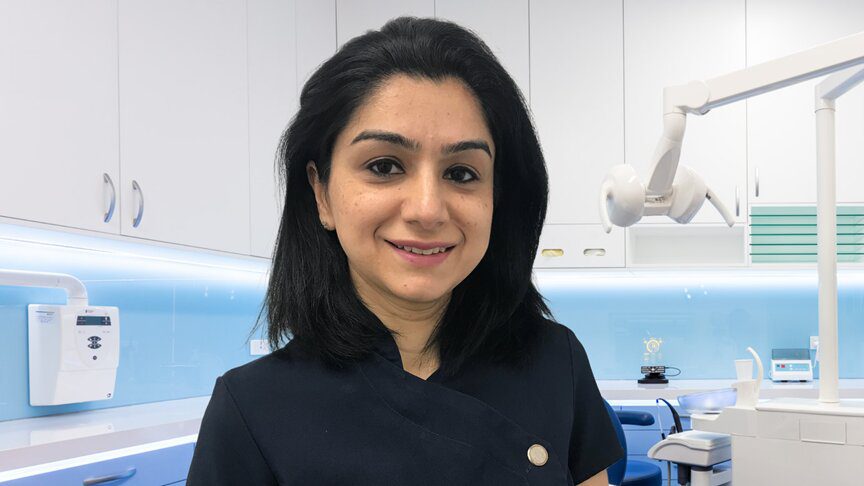


If you search online for information about root canal treatment, you’ll quickly notice how extreme the opinions can be. Some sources describe it as routine and safe, others paint it as something to fear or avoid at all costs. For many patients visiting a London dental clinic, this conflicting information creates unnecessary anxiety before they even sit in the chair.
The reality is far more balanced — and far more reassuring — than most online articles suggest. Root canal treatment has evolved significantly over the last few decades. Modern techniques, imaging, materials and infection control standards mean today’s procedures bear little resemblance to the outdated horror stories still circulating online. Understanding what actually makes a root canal safe — and when concerns are valid — is the key to making an informed decision about your dental health.
This article cuts through the noise. Instead of repeating the same surface-level explanations found everywhere else, it focuses on what patients genuinely want to know: how safe root canal treatment really is, what risks exist, how those risks are controlled and why delaying treatment often causes far greater problems than proceeding.
Key Takeaway
Root canal in London is considered a safe and predictable dental procedure when carried out properly, using modern techniques and materials. The risks are low, complications are uncommon and preserving your natural tooth is usually far safer than leaving infection untreated or opting for unnecessary extraction. Understanding how safety is built into every stage of treatment helps patients feel confident, calm and in control.
Why Root Canal Treatment Has A Safety Reputation Problem
Root canal treatment has a reputation that lingers from a very different era of dentistry. Much of the fear surrounding safety stems from outdated practices, misinterpreted research and stories passed from one anxious patient to another. Several factors contribute to this misunderstanding:
- Older dental techniques relied on less precise instruments and limited imaging
- Pain control in the past with dentists was nowhere as as advanced as it can be today
- Infection control standards were not as strictly regulated decades ago
- Online misinformation often exaggerates rare complications
- Some alternative health sources misrepresent scientific studies
Modern dentistry operates in a completely different environment. Digital X-rays, apex locators, rotary instruments and advanced irrigation systems allow dentists to treat infected teeth with a level of precision that simply wasn’t possible in the past. Safety is no longer dependent on guesswork — it’s built on measurable data and strict clinical protocols.
Another common issue is that people often confuse correlation with causation. When someone develops a health problem years after dental treatment, root canals are sometimes blamed without scientific evidence. Large-scale clinical studies have consistently failed to show a causal link between properly performed root canal treatment and systemic illness.
What actually carries risk is leaving an infected tooth untreated. Dental infections do not stay isolated indefinitely. They can spread into surrounding bone, soft tissue, and in rare cases, into the bloodstream. In this context, root canal treatment is not the risky option — it is the preventative one.
💡 Much of the fear around root canal safety is rooted in outdated information; modern treatment is designed to control infection, not create it.
How Safety Is Built Into Every Stage Of Root Canal Treatment

Root canal treatment is not a single action; it is a carefully controlled sequence of steps designed to eliminate infection while protecting surrounding structures. Safety is layered into the process from diagnosis through to long-term restoration.
Before any instruments touch the tooth, clinicians rely on detailed imaging. Digital X-rays and, where necessary, 3D scans allow the dentist to assess root anatomy, infection spread, bone levels, and proximity to nerves or sinuses. This planning phase is one of the biggest safety advances in modern dentistry.
During treatment, isolation is critical. A rubber dam is placed around the tooth to prevent saliva and bacteria from entering the canals and to stop cleaning solutions from being swallowed. This alone significantly reduces contamination risk and improves outcomes.
Throughout the procedure, dentists work within the natural shape of the root canals using flexible instruments designed to minimise stress on the tooth. Electronic apex locators help measure canal length accurately, preventing over-instrumentation beyond the root tip.
Safety controls at each stage include:
- Pre-treatment imaging to identify anatomical risks
- Strict isolation using rubber dam placement
- Precision instruments that follow natural canal curves
- Controlled irrigation to disinfect without damaging tissue
- Biocompatible filling materials to seal the tooth internally
Each of these elements works together to reduce complications and improve predictability. Root canal treatment is safe not because it is simple, but because it is carefully structured.
💡 A methodical, step-by-step approach is what makes modern root canal treatment predictable and safe.
Understanding The Materials Used In Root Canal Treatment
One of the most common safety concerns patients raise relates to the materials placed inside the tooth. Questions often revolve around toxicity, long-term effects, and compatibility with the body.
Modern root canal materials are specifically chosen for their biocompatibility. The filling material most commonly used is gutta-percha, a rubber-like substance derived from tree sap. It has been used in dentistry for over a century and has an excellent safety record. Gutta-percha does not react with surrounding tissues and is well tolerated by the body.
Sealants used alongside gutta-percha are designed to:
- Prevent bacterial re-entry
- Adapt closely to canal walls
- Remain stable over time
- Avoid inflammatory reactions
Temporary and permanent restorations placed after treatment are also selected based on durability and tissue compatibility. Modern composites and crowns are designed to withstand biting forces while maintaining a protective seal over the treated tooth.
Concerns sometimes arise from outdated theories suggesting that bacteria remain trapped inside treated teeth. In reality, properly cleaned, disinfected, and sealed canals do not provide a viable environment for bacterial survival.
💡 The materials used in root canal treatment are extensively tested for safety and long-term compatibility with the body.
Is Infection After Root Canal Treatment A Safety Risk?
No medical or dental procedure is entirely risk-free, but post-treatment infection after a properly performed root canal is uncommon. When it does occur, it is usually due to identifiable factors rather than inherent danger.
Common reasons a treated tooth may become reinfected include:
- Undetected additional canals
- Delayed placement of a permanent restoration
- Fractures allowing bacteria to re-enter
- Severe pre-existing infection compromising healing
Importantly, reinfection does not mean the original treatment was unsafe. Teeth can have complex anatomy, and some canals are extremely narrow or curved. When reinfection happens, it is typically managed with re-treatment rather than extraction.
Modern follow-up protocols improve safety further. Dentists monitor healing through review appointments and radiographs, ensuring any issues are detected early.
Leaving an infected tooth untreated poses a far greater risk than managing a rare post-treatment complication. Untreated dental infections can spread into the jawbone, facial spaces, or bloodstream, creating serious health consequences.
💡 The risk of infection after treatment is low, and the risks of doing nothing are significantly higher.
Pain, Nerve Damage, And Other Safety Concerns Explained
Pain is often mistaken for danger. In reality, discomfort during or after treatment does not mean something has gone wrong. Mild tenderness is a normal inflammatory response as tissues heal.
Local anaesthetic techniques today are highly effective, allowing treatment to be carried out comfortably. Persistent or severe pain is uncommon and usually linked to inflammation around the tooth rather than nerve injury.
Actual nerve damage from root canal treatment is rare. When nearby nerves are at risk — particularly in lower molars — dentists plan treatment carefully using imaging and conservative techniques.
Safety considerations include:
- Pre-operative nerve mapping
- Avoiding overfilling beyond root tips
- Controlled instrumentation depth
- Post-treatment monitoring
Temporary sensitivity or tenderness usually resolves within days. Long-term complications are the exception, not the rule.
💡Discomfort does not equal danger; true complications are uncommon and carefully managed.
Are Root Canals Safe Compared To Tooth Extraction?

When evaluating safety, it is important to compare root canal treatment to the alternative — extraction. Removing a tooth may seem simpler, but it carries its own risks and long-term consequences.
Extraction creates an open wound and permanently removes a natural structure designed for chewing and jaw stability. Missing teeth can lead to bone loss, shifting of neighbouring teeth, bite problems and increased strain on remaining teeth.
Root canal treatment preserves:
- Natural chewing function
- Jawbone stimulation
- Tooth alignment
- Bite balance
Replacing an extracted tooth often requires implants or bridges, which involve additional procedures, costs, and healing time. In many cases, preserving the natural tooth through root canal treatment is the safest long-term option.
💡 Keeping your natural tooth is usually safer for long-term oral health than removing it.
Long-Term Safety And Success Rates Of Root Canal Treatment
Safety is not just about the day of treatment — it’s about how well the tooth performs years later. Root canal treatment has a strong long-term success rate when combined with appropriate restoration.
Studies consistently show that teeth treated and protected with crowns can last decades. Failure rates are low and usually related to structural damage rather than infection.
Long-term safety depends on:
- Quality of the original treatment
- Timely placement of permanent restorations
- Good oral hygiene habits
- Regular dental reviews
When these factors are in place, a treated tooth can function normally for many years.
💡 Long-term safety improves significantly when treatment is completed properly and protected with a crown.
How Whites Dental In London Supports Safe Root Canal Treatment
Safety is not only about technique — it is also about experience, equipment and clinical judgement. At Whites Dental in London, our root canal specialists approach the procedure with a strong emphasis on precision, patient comfort and long-term outcomes.
Advanced diagnostics, modern equipment and evidence-based protocols help ensure each case is assessed individually. Whether treatment is straightforward or complex, the focus remains on preserving natural teeth safely and predictably.
Patients can access care at Whites Dental’s two London root canal dental clinics near Waterloo and Marble Arch, making specialist-level treatment accessible and convenient.
💡 Choosing an experienced clinic with modern technology plays a major role in treatment safety.
Frequently Asked Questions About Root Canal Safety
Can Root Canal Treatment Cause Illness Elsewhere In The Body?
There is no credible scientific evidence linking properly performed root canal treatment to systemic disease. This claim is based on outdated and disproven theories.
Is It Safe To Have Multiple Root Canals?
Yes. Each tooth is treated independently, and having multiple treated teeth does not increase health risks.
Can A Root Canal Fail Years Later?
It can, but failure is uncommon and often related to structural issues or delayed restoration rather than infection.
Is Root Canal Treatment Safe During Pregnancy?
In many cases, yes. Timing and imaging are carefully managed to minimise risk, particularly during the second trimester.
What Happens If I Avoid Root Canal Treatment?
Untreated infection can worsen, leading to pain, abscess formation, bone loss and potentially serious health complications.
💡 Asking informed questions and addressing concerns early leads to safer outcomes.
Author

Dr Deepa Chopra
Principal Dentist & Clinic Founder
GDC registration number: 124489
Membership of the Faculty of Dental Surgery from the Royal College of Surgeons of Edinburgh
Membership of the British Dental Association
Restorative Dentistry from Tipton
Align Invisalign profile
LinkedIn profile
Areas of Expertise: 20+ Years Dentistry Experience. General Dentistry, Cosmetic Dentistry, Restorative Dentistry, Invisalign, Composite Bonding, Veneers, Root Canals, Crowns, Dentures, Gum Disease, Hygienist Services, Emergency Dental Services & Teeth Whitening.