

Key Takeaway
Non-surgical treatments for periodontal disease are effective, gentle and often the first step in restoring gum health. They focus on removing plaque, reducing inflammation and preventing further damage — all without surgery.
Here’s what you should know:
- Scaling and root planing (deep cleaning) is the most common non-surgical treatment
- Antibiotic therapy can help reduce infection and inflammation.
- Laser therapy offers a minimally invasive way to clean infected areas.
- Regular hygiene maintenance is crucial to prevent recurrence.
- At Whites Dental Waterloo (SE1) and Whites Dental Marble Arch (W2), our periodontists provide gentle, effective periodontal treatments in London
- Early intervention can prevent the need for surgery and protect your natural teeth long-term
Understanding Periodontal Disease
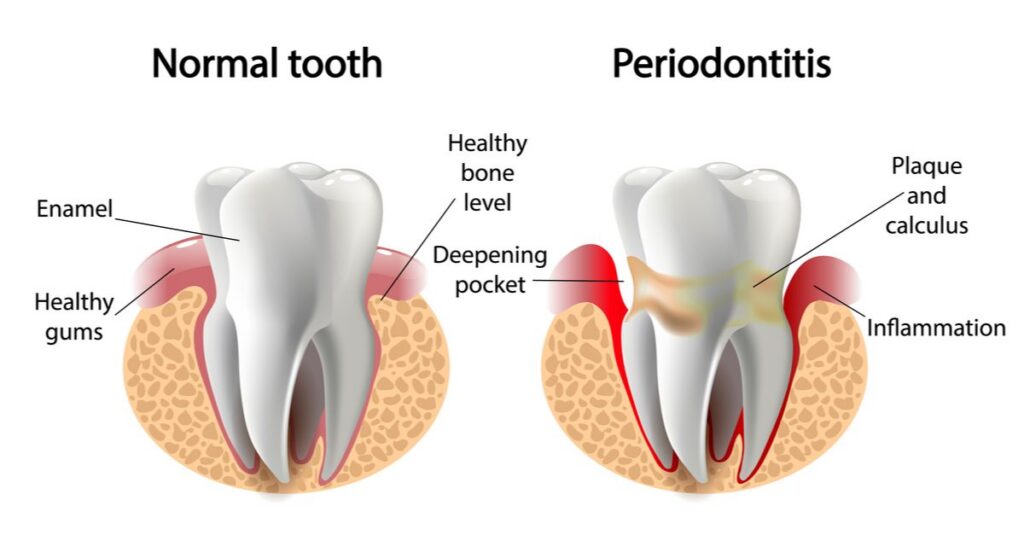
Gum disease, also known as periodontal gum disease, is an infection that affects the gums and supporting structures of the teeth. It typically begins as gingivitis, marked by red, swollen and bleeding gums. If left untreated, it can progress to periodontitis, where bone and tissue damage can lead to tooth loss.
The main cause is the build-up of plaque and tartar — sticky bacterial films that irritate the gums. While proper brushing and flossing help, professional care is often needed to remove hardened tartar and treat inflammation.
When Is Non-Surgical Periodontal Treatment Recommended?

Non-surgical periodontal treatments are recommended for patients with early to moderate gum disease. These treatments aim to stop the infection, heal gum tissue, and prevent further progression — without requiring surgery.
At Whites Dental in London, our experienced periodontists assess your gum health through:
- Comprehensive gum charting
- X-rays to check bone levels
- Pocket depth measurements
💡 If gum pockets are shallow and bone loss is limited, non-surgical treatments are the preferred approach.
Scaling And Root Planing (Deep Cleaning) – The Most Common Periodontal Treatment
What It Is
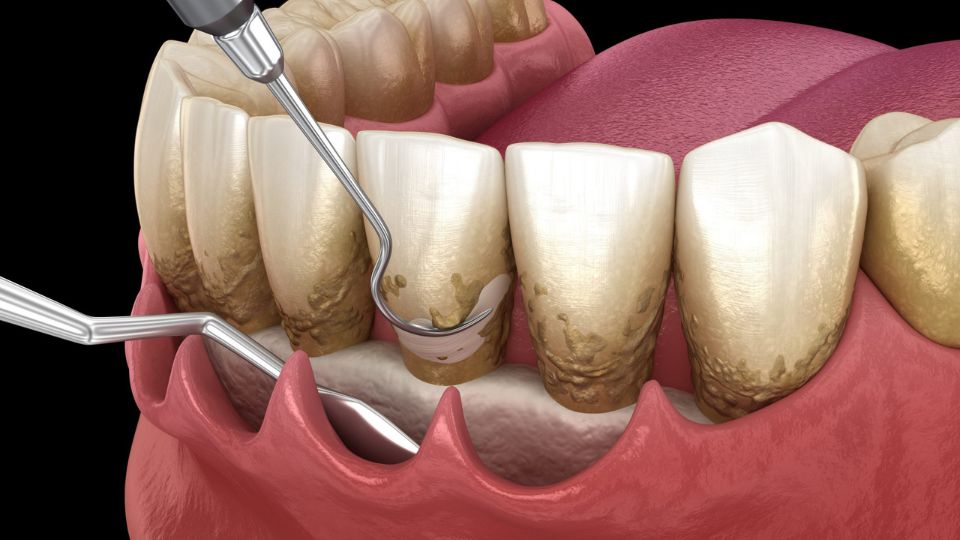
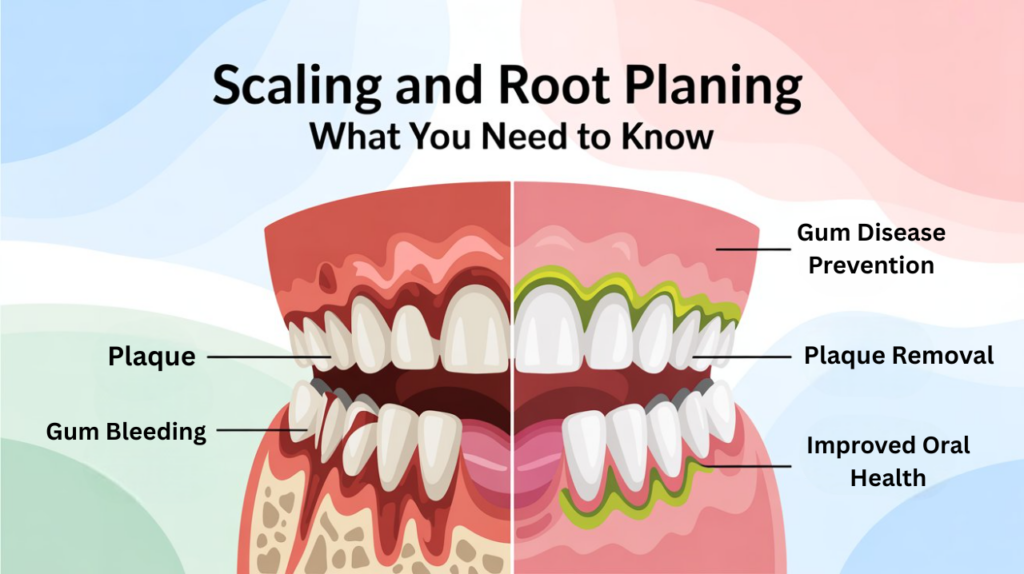
Scaling and root planing is the most common non-surgical procedure used to treat gum disease. It’s often referred to as a deep cleaning because it goes beyond regular dental cleaning.
How It Works
- Scaling is a process to remove tartar and plaque from around the gumline – both above and below it
- Root planing is an associated treatment that’s used to smoothen the surface of the tooth root in order to discourage bacteria from reattaching to it.
Your periodontist or hygienist will use specialised tools — sometimes ultrasonic scalers — to clean deep pockets thoroughly.
What To Expect
- Local anaesthetic may be used for comfort
- Treatment may take one or more sessions depending on severity.
- Gums may feel slightly tender afterward, but healing begins quickly.
Results
Most patients notice reduced gum bleeding and swelling within a few weeks. With good home care, this treatment can reverse gingivitis and stabilise early periodontitis.
Antibacterial And Antibiotic Therapy For Periodontal Disease
Why It’s Used
Bacteria are the main culprits in gum disease. After scaling and root planing, antibiotic therapy may be prescribed to control bacterial growth and reduce inflammation.
Types Of Antibiotic Treatments
- Topical gels or mouth rinses placed directly in gum pockets
- Antibiotic tablets for more severe infections
- Antimicrobial mouthwashes to reduce bacteria daily
💡 These medications complement professional cleaning and are highly effective in reducing bacterial load and promoting gum healing.
Laser Gum Therapy
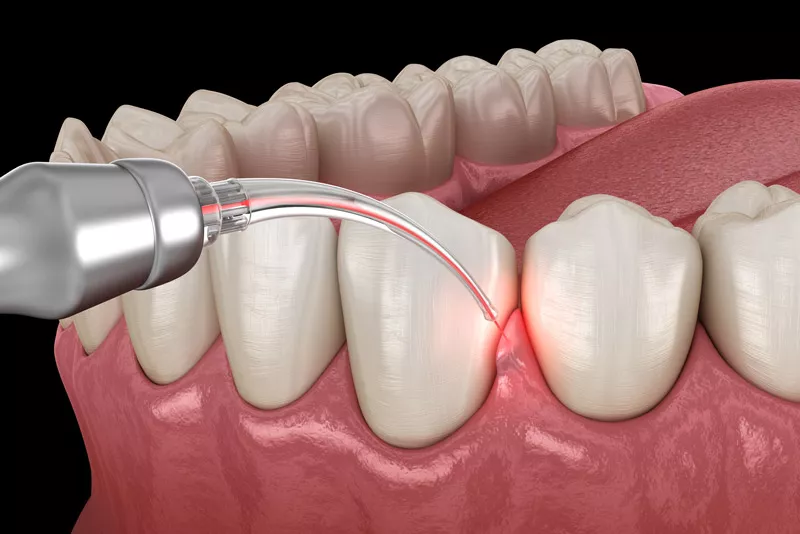
Modern, Gentle And Precise
Laser therapy is an innovative non-surgical treatment for gum disease that targets and removes bacteria and infected tissue without incisions or sutures.
How It Works
- A soft-tissue laser is used to sterilise gum pockets.
- It removes inflamed tissue while leaving healthy gums intact.
- The laser also helps seal blood vessels, reducing bleeding and discomfort
Benefits
- Minimal pain and swelling
- Faster healing
- Less need for anaesthesia
- Reduced bacterial infection risk
💡 At Whites Dental, our London periodontists may recommend laser therapy alongside deep cleaning for a more thorough and comfortable experience.
Bite Adjustment And Splinting
Addressing Bite Issues
Sometimes, gum disease can loosen teeth and affect your bite. Small bite irregularities can increase pressure on affected teeth, worsening the condition. Your dentist may adjust your bite by reshaping enamel slightly to distribute pressure more evenly.
Tooth Splinting
In cases where teeth have loosened slightly, a splint can be used to stabilise them. This involves bonding neighbouring teeth together using a thin wire or composite material. This helps teeth heal and makes chewing more comfortable during recovery.
Maintenance Therapy After Periodontal Treatment
Non-surgical periodontal treatment doesn’t end after your deep cleaning or laser therapy. Gum disease is chronic, so ongoing maintenance is essential to prevent recurrence.
Periodontal Maintenance Visits
Regular check-ups every 3–4 months help monitor gum health and remove new plaque or tartar. Each maintenance visit includes:
- Professional cleaning
- Pocket depth measurement
- Oral hygiene review
- Personalised home care advice
Home Care Routine
Between visits, maintaining excellent oral hygiene is key:
- Brush twice daily with a soft-bristled or electric toothbrush.
- Floss or use interdental brushes to clean between teeth.
- Use an antimicrobial mouthwash to reduce bacteria.
💡 Patients who maintain their gums well after treatment have the highest success rates in preventing recurrence.
What To Expect During Non-Surgical Periodontal Treatment
Many patients are anxious about gum disease treatment, but rest assured — it’s a gentle, straightforward process. At Whites Dental, we offer expert periodontal care for your gums.
Before Periodontal Treatment
- Your dentist will examine your gums and measure pocket depths.
- X-rays may be taken to assess bone levels.
- You’ll receive a detailed treatment plan outlining procedures and costs.
During Periodontal Treatment
- Local anaesthetic ensures comfort.
- Scaling, root planing, or laser therapy is performed.
- Sessions typically last 45–90 minutes.
After Periodontal Treatment
- Mild tenderness or sensitivity may occur for a day or two.
- Avoid hard or spicy foods immediately afterward.
- Rinse with salt water to aid healing.
- Follow up as recommended for maintenance.
💡 Most patients return to normal activities immediately after treatment.
Advantages Of Non-Surgical Gum Disease Periodontal Treatment
Advantages include –
- Minimally Invasive: No cutting, stitches, or long recovery times
- Cost-Effective: Less expensive than surgical options.
- Quick Recovery: Patients can resume normal activities right away.
- Highly Effective: Can stop gum disease in its tracks when performed early
- Comfortable: Modern anaesthetics and equipment make procedures virtually pain-free.
💡 Non-surgical treatment offers a great balance between effectiveness and comfort, making it ideal for patients looking to protect their natural teeth without surgery.
When Surgical Periodontal Treatment May Be Needed
If gum disease is severe or deep pockets remain after non-surgical treatment, surgical intervention may be necessary. This could include:
- Flap surgery to clean deep pockets
- Bone grafting to rebuild lost bone
- Gum grafting to restore receded tissue
💡 With early detection and proper maintenance, many patients never need surgery at all.
Cost Of Non-Surgical Gum Disease Treatment In London
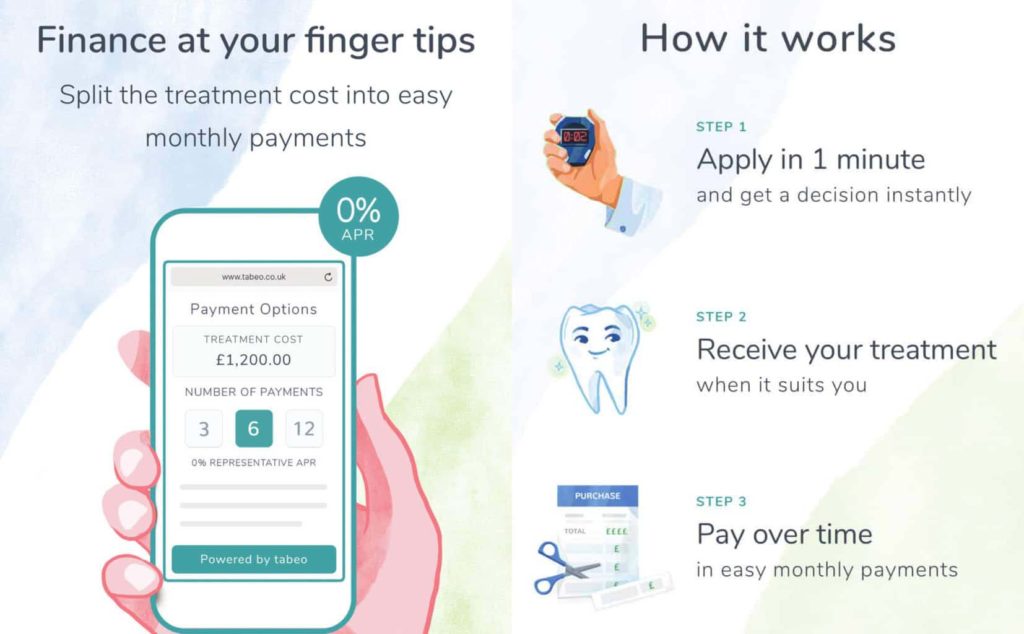
At Whites Dental, non-surgical periodontal treatment costs vary based on severity and complexity.
Typical fees include:
- Initial Consultation: £100–£150
- Scaling & Root Planing: £200–£400 per session
- Laser Gum Therapy: £350–£700
- Maintenance Visits: £80–£150
💡While private care may cost more than NHS treatment, patients benefit from faster appointments, specialist expertise and better long-term results.
Why Choose Whites Dental For Periodontal Disease Treatment In London
At Whites Dental, we provide specialist periodontist care at our modern clinics in Waterloo (SE1) and Marble Arch (W2).
Here’s why patients choose us:
- Expert Periodontists: Our specialists have advanced training in non-surgical and surgical gum treatments.
- Central London Locations: Convenient access for patients across London.
- Gentle & Modern Techniques: Laser-assisted treatments for comfort and precision
- Tailored Care: We customise every plan for your unique gum health needs
- Comprehensive Maintenance: Regular reviews to keep your gums healthy long-term.
Our mission is to make periodontal care comfortable, effective and accessible — so you can smile confidently again.
FAQs
Is non-surgical gum disease treatment painful?
A: No, it’s performed under local anaesthetic and is very comfortable for most patients.
How long does treatment take?
A: Depending on severity, treatment may take one or two sessions, each lasting about an hour.
Will my gums grow back after treatment?
A: Mild gum recession may improve, but advanced recession may require grafting.
How soon will I see results?
A: You may notice reduced bleeding and swelling within a few weeks.
How often should I return for maintenance?
A: Every 3–4 months for professional cleaning and monitoring.
Author

Dr Deepa Chopra
Principal Dentist & Clinic Founder
GDC registration number: 124489
Membership of the Faculty of Dental Surgery from the Royal College of Surgeons of Edinburgh
Membership of the British Dental Association
Restorative Dentistry from Tipton
Align Invisalign profile
LinkedIn profile
Areas of Expertise: 20+ Years Dentistry Experience. General Dentistry, Cosmetic Dentistry, Restorative Dentistry, Invisalign, Composite Bonding, Veneers, Root Canals, Crowns, Dentures, Gum Disease, Hygienist Services, Emergency Dental Services & Teeth Whitening.